See a doctor or travel clinic four to eight weeks before you go, to review vaccines, medication and any health condition against your itinerary. Needs differ between the coast, the Andes and the Amazon. This is general information only and does not recommend doses or treatments. Follow recognised national and international health authorities.
Vaccines that are commonly discussed
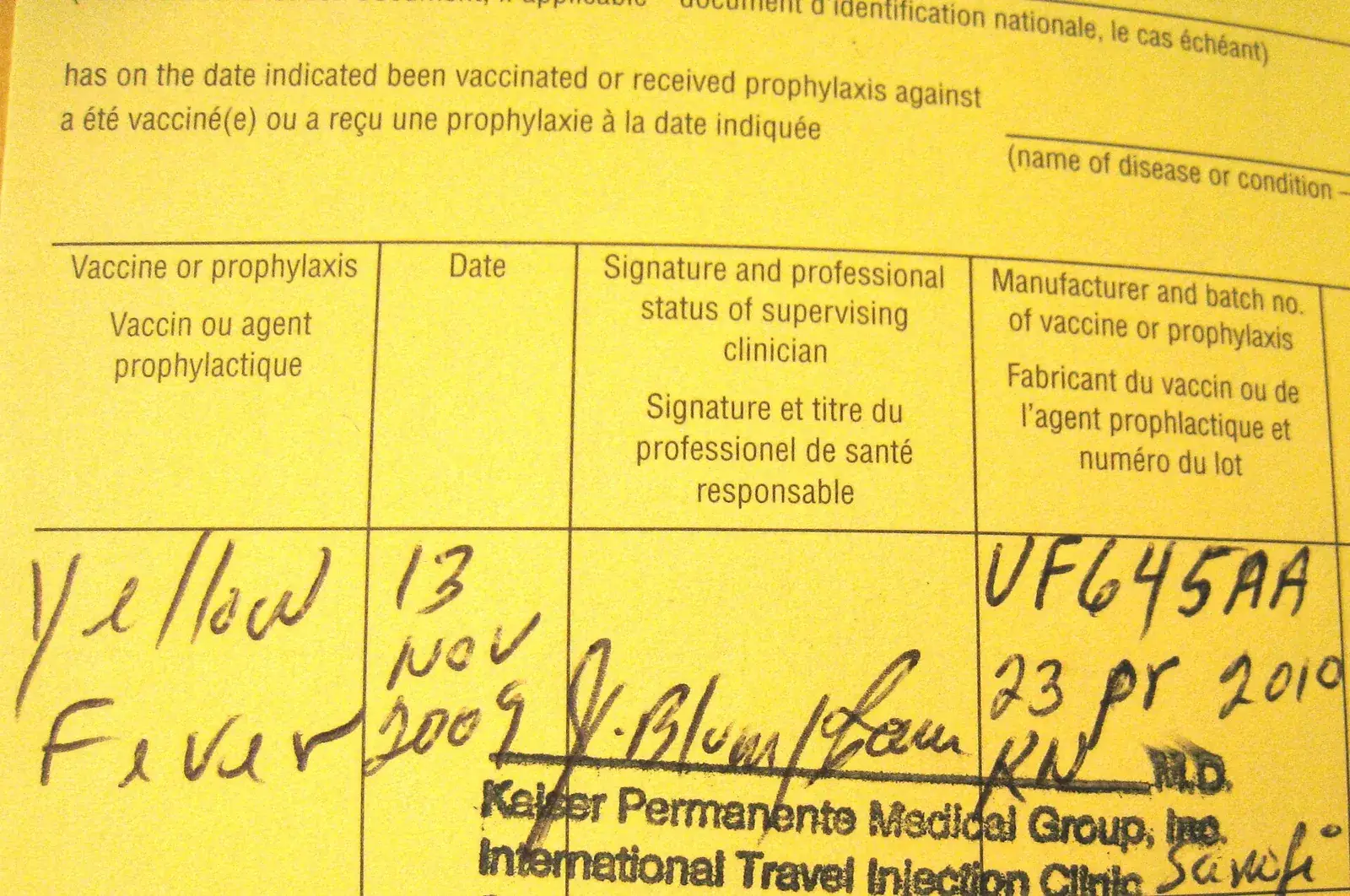
Routine vaccinations should be up to date, in line with your national schedule. Beyond those, travel clinics often discuss hepatitis A and typhoid because of food and water exposure, and hepatitis B and rabies depending on the activities planned. Yellow fever is the one that most affects Peru itineraries. It is generally recommended for travellers going to parts of the jungle, such as the Amazon lowlands, and not usually for the highlands and the coast, but it depends on your exact route, so ask a travel clinic. Some countries ask for a certificate from travellers who have visited a risk area, so keep the paperwork.
Vaccines need time to work and some are given in a course. That is why an early appointment matters.
Insects and malaria
Mosquito-borne illnesses are present in lowland and jungle regions, including dengue. Malaria risk is concentrated in some jungle areas and low in the highlands and most of the coast, and clinics decide on preventive tablets according to your route. Bite avoidance is the baseline: repellent, long light clothing, and sleeping under a net or in screened rooms where appropriate. Ask your clinic about the specifics.
If you plan jungle stays at Puerto Maldonado, Tambopata or Manu, mention them by name at your appointment, since different areas carry different advice. Lodges often supply nets and give advice on clothing, but you remain responsible for your own preparation.
Altitude, stomachs and everything else
Altitude affects people differently, and anyone with a heart, lung or blood condition or who is pregnant should take advice before booking. See altitude for planning. Travellers' diarrhoea is the most common complaint; see water and food for habits that reduce the risk, and a doctor can advise on what to carry.
Bring enough of your regular medication for the whole trip plus a margin, in original packaging, with a copy of the prescription. Make sure that your travel insurance covers medical care, repatriation and, if you plan to trek, high-altitude activity. Pharmacies in cities are plentiful, but do not buy medication from unlicensed sellers.
Sun, heat and the environment
Ultraviolet radiation is stronger at altitude and near the equator, and clouds do not remove it. Burn risk is high on the Altiplano, on glacier treks and at the coast in summer, even on cool days. A hat, sunglasses, sunscreen and covered shoulders are basic precautions. Dehydration and heat exhaustion are more likely in the jungle and in the desert around Nazca and the south coast, so plan the day around the hottest hours.
Dust, smoke from burning in the dry season, and exhaust fumes in cities can irritate people with asthma or allergies. Carry your usual inhaler or medication, and ask your doctor how to adjust for altitude and cold.
Animals, bites and wounds
Dogs roam freely in many Peruvian towns, and monkeys, bats and other animals can carry rabies. Avoid touching or feeding animals, and seek medical advice immediately after any bite or scratch, even if it seems minor, rather than waiting until you are home. Clean wounds promptly and see a doctor for anything that looks infected, since small cuts can take longer to heal in hot, humid areas.
Sand flies, ticks and biting insects occur in some regions, and rivers and lakes can carry parasites. Ask a clinician if you plan to swim in fresh water in the jungle or on a remote trek.
If you fall ill during the trip
For minor problems, pharmacies in cities can give advice, and many hotels can call a doctor. For anything serious, contact your insurer first, since many policies require authorisation for hospital treatment and for evacuation. Keep receipts and reports for any claim. See emergency contacts for the numbers to save before you travel.
Private clinics in Lima and Cusco are used to dealing with visitors, and the best ones are listed by embassies and insurers. In remote regions facilities are basic, so a gentler itinerary and a guide who knows the nearest clinic matter. Do not ignore a high fever, severe diarrhoea, breathing difficulties or confusion.
Preparing a health plan before departure
Make a short health file: allergies, regular medication with generic names, blood group if known, vaccination record, insurance policy number and the insurer's emergency line. Keep one copy on your phone and one on paper. Share it with a travelling companion.
Book a dental check if you have not had one recently, and ask your doctor about any long-term condition. Check entry requirements for certificates, and take a copy of any prescription for controlled medicines, since rules on importing certain drugs vary.
Frequently asked questions
Do I need a yellow fever vaccine for Peru?
It is generally recommended for jungle regions but not for all itineraries. Ask a travel clinic.
When should I see a travel clinic?
Ideally four to eight weeks before departure, since some vaccines take time.
Is malaria a risk in Cusco or Machu Picchu?
Generally low there, but confirm with a clinic for your exact route, especially if you add jungle stays.
Is rabies a concern in Peru?
Animal bites should always be taken seriously. Avoid contact with strays and wildlife, and see a doctor promptly after any bite or scratch. A clinic can tell you whether pre-travel vaccination makes sense for your plans.
Can I take my regular medication into Peru?
Usually yes, if it is in its original packaging and you carry a prescription. For controlled medicines, ask the Peruvian embassy or your doctor for the current rules before you travel.
Are pharmacies easy to find?
Yes, in cities and larger towns, and many are open late. Do not buy medicines from street sellers, and check names against your doctor's list.
What about Zika and dengue?
Both are mosquito-borne and linked to lowland and jungle areas. Pregnant women and people planning pregnancy should ask a clinic for specific advice, and everyone should take bite precautions.