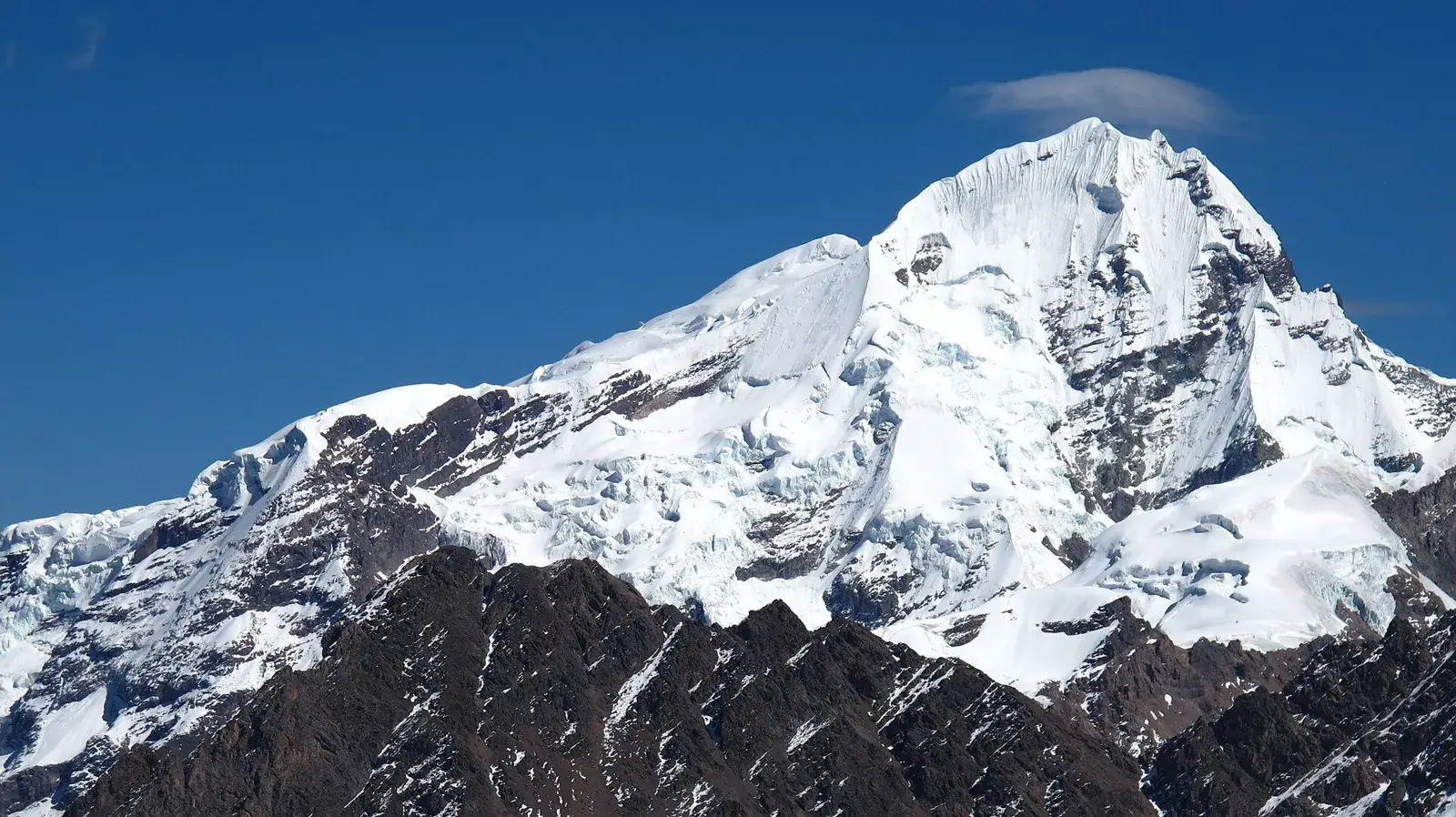
Altitude sickness can affect anyone who goes quickly from the coast to places above about 2,500 m, and fitness does not protect you. In Peru that includes Cusco, Puno and Huaraz. The most useful precaution is itinerary design: sleep lower first, keep the first day light, and give your body time. For medication or any health condition, ask a doctor or a travel clinic.
Where altitude matters in Peru
Lima and the coast are at sea level, so a flight to the Andes can take you from the Pacific to thin air in about an hour. Cusco sits at about 3,400 m. Puno and Lake Titicaca are higher, at roughly 3,800 m, and Huaraz is at about 3,000 m, with trails that climb well above 4,000 m. The Sacred Valley is lower than Cusco, and Machu Picchu is lower still, at about 2,400 m, which is why many people feel better there.
Excursions are where the numbers jump. Rainbow Mountain and several high lakes and passes reach well above 4,500 m, and trekking routes cross passes that are higher again. These are best left until you have spent a few days acclimatising. Arequipa, at about 2,300 m, is a useful gentler step, though the Colca Canyon road beyond it climbs much higher.
What people commonly notice
Many people feel short of breath on stairs, a mild headache, poor sleep or a lack of appetite during the first day or two. These effects often ease as the body adjusts. Symptoms that get worse, or that include severe headache, confusion, difficulty walking in a straight line, a persistent cough or breathlessness at rest, are warning signs. The general guidance from health authorities is not to climb higher with worsening symptoms, and to descend and seek medical help if they continue or become severe.
Hotels, guides and trek operators in the highlands deal with altitude every day. Tell them early if you feel unwell, rather than pushing on. Do not assume a companion who looks fine is feeling fine: symptoms can appear hours after arrival, often in the first night, and people differ even within the same family.
How to plan the first days
Build the itinerary around gradual gain. If you arrive from Lima, sleeping first in the Sacred Valley and visiting Cusco afterwards is a common approach, and the Cusco to Sacred Valley transfer is short enough to make it practical. If you start in Cusco, keep the first day for a slow walk, drink water, eat lightly and go easy on alcohol. Avoid scheduling a hard hike or a high-altitude excursion in the first two or three days.
If you are flying to Cusco directly, arrive with a spare day in the plan so that one bad night does not wreck a booked tour. The acclimatisation for trekkers goes further for multi-day routes.
Ask your doctor or travel clinic about preventive medication well before departure. Do not take advice on drugs from strangers or from websites, including this one.
Choosing a route that helps
Order matters more than almost anything else. A route that goes Lima, Arequipa, Colca, Puno, Cusco, Sacred Valley climbs in steps and ends at Machu Picchu, whereas flying straight into Cusco and hiking on day two puts the heaviest demand on you at the worst moment. The south loop itinerary is built along these lines.
If your schedule is fixed and you must fly into Cusco, reduce the load instead: transfer to the valley the same day, keep meals light, avoid alcohol on the first night and shift any strenuous activity to the end of the trip. Travellers who add Lake Titicaca should note that Puno is higher than Cusco, so it is best visited after a few days at altitude rather than before.
Everyday habits at altitude
Simple habits help: unhurried walking, regular drinks of water, small meals, and extra sleep in the first few nights. Heat, sun and dry air at altitude can dehydrate you without much sweating, so carry a bottle. Alcohol hits harder, and sleeping tablets can make breathing shallower at night, which is another reason to ask a doctor rather than improvise.
Coca tea is offered free in many hotels and sold across the highlands, and many people drink it. It is a local custom rather than a medical remedy, and it can show up on a drug test, so ask a doctor if that matters to you. Local pharmacies and some hotels also keep oxygen, but this is a short-term comfort, not a way to climb higher safely.
Altitude on treks and day trips
Day trips at altitude carry their own risks because you can go from a hotel bed to a high pass within hours. Tours to Rainbow Mountain leave very early and climb quickly, and visitors who have only just arrived often struggle. The same applies to Humantay Lake and to the high sections of the Salkantay route.
Choose operators that carry emergency oxygen and a first-aid kit, and that brief you on what to report. A guide who tells you to rest, turn back or descend is doing the job properly, and you should not treat that as a failure. The most dangerous decisions are the ones made by people ignoring symptoms to keep a booking on schedule.
Children, older travellers and medical conditions
Altitude can affect any age group. Families often visit Cusco and the Sacred Valley without trouble, but young children cannot always describe what they feel, so adults need to watch for unusual tiredness, irritability, vomiting or refusal to eat. Ask a paediatrician or travel clinic before booking, and plan a gentler itinerary with a lower base.
Older travellers and anyone with a heart, lung or blood condition should discuss the trip with a doctor in good time. The seniors and the accessible travel cover pacing, and your travel insurance should be checked for altitude limits before you buy.
Frequently asked questions
Does being fit stop altitude sickness?
No. Fit people are often affected too, partly because they push harder on the first day. Time to adjust matters more than fitness, and past experience at altitude is not a reliable guide for a new trip.
Is Machu Picchu high?
It is at about 2,400 m, lower than Cusco, so many travellers find it easier than the city. The path up to the site is steep and the sun is strong, so take it slowly regardless.
Can children go to high altitude in Peru?
Many families do, but ask a paediatrician or travel clinic first, and keep the itinerary gentle. A lower base such as the Sacred Valley is often easier than Cusco.
What should I do if symptoms get worse?
Stop climbing, tell your guide or hotel, and seek medical help. Health authorities advise descending if symptoms are severe or worsening.
How many days do I need to adjust to Cusco?
There is no fixed number, and individuals differ. Many travellers feel better after two or three days, but a light first day and a spare day in the plan are sensible whatever happens.
Is it better to fly into Cusco or arrive overland?
Overland arrival, with stops in places such as Arequipa or the Colca area, gives a more gradual gain but takes longer. Flying is quicker, so plan a gentle first day and consider sleeping in the Sacred Valley first.
Can I get altitude sickness in Lima or Paracas?
No. Both are at or near sea level. The risk starts when you go to the Andes, so the first night in Cusco or Huaraz is where the change is felt.