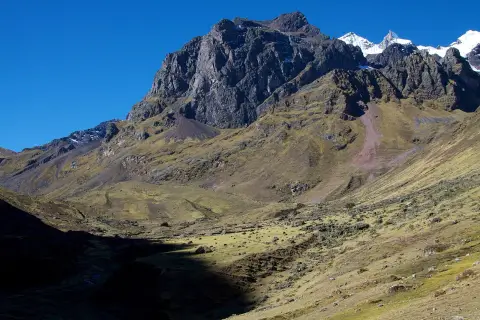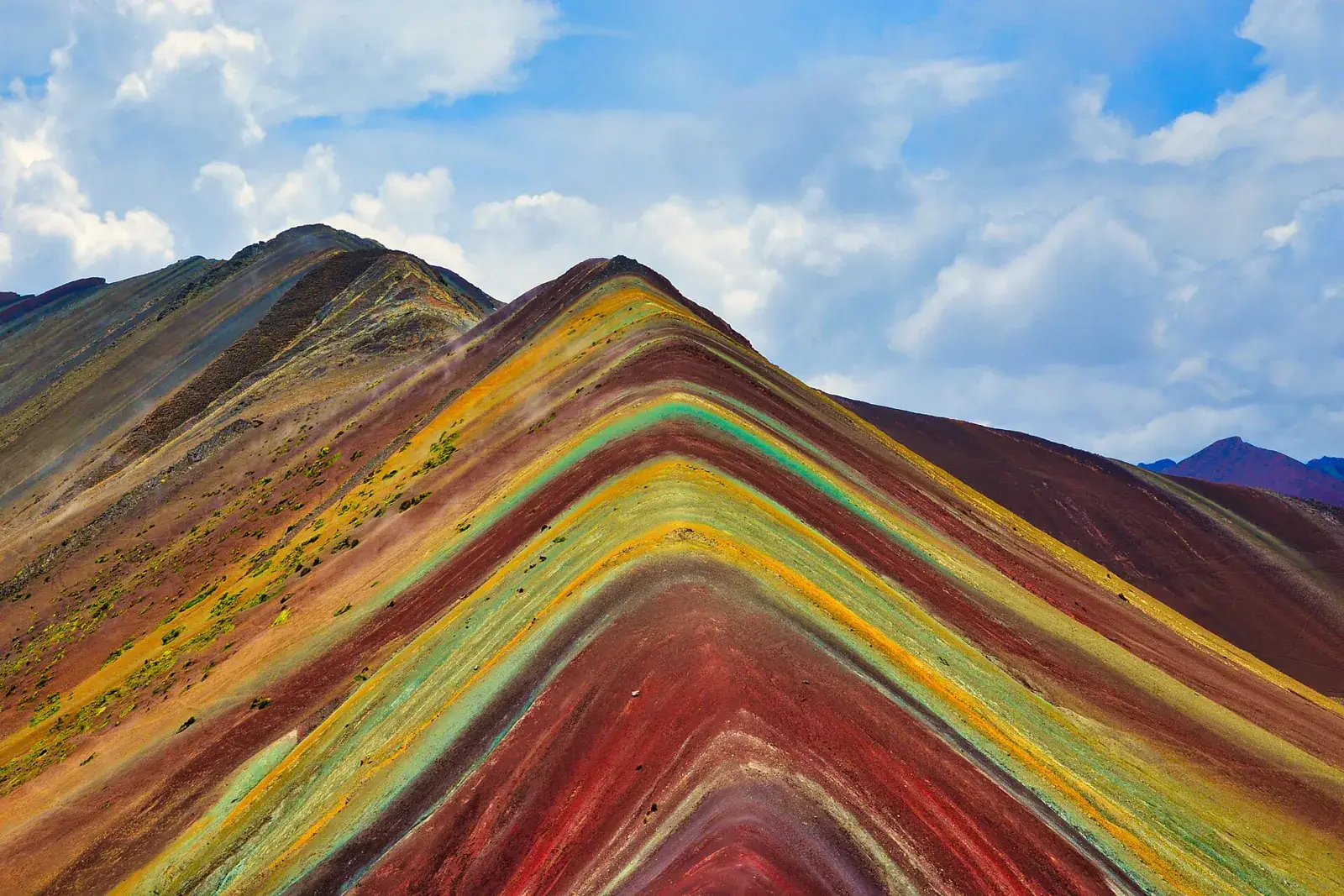
Rainbow Mountain, or Vinicunca, is a full-day excursion from Cusco: a drive of about three hours each way, then a walk of roughly two to three hours up to a viewpoint at about 5,000 m. The walk is short but the altitude makes it hard, and the colours depend on light and weather. Go only after several days of acclimatisation, start early and expect crowds.
What it is
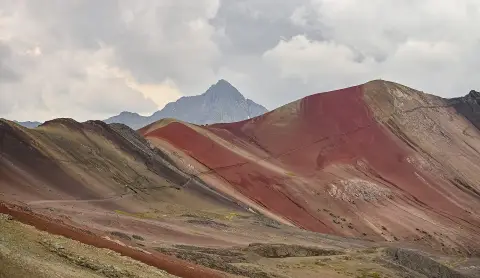
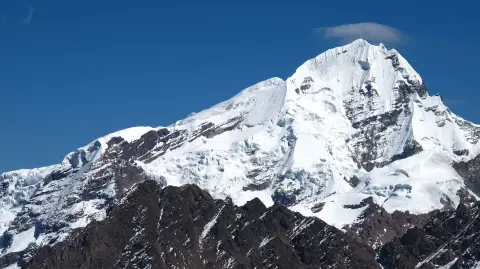
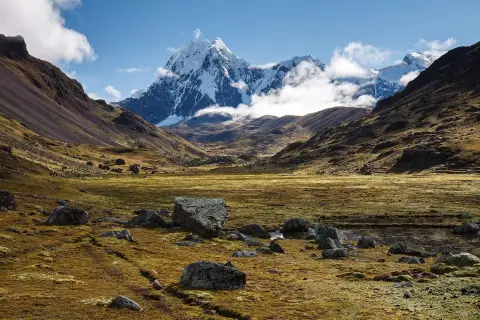
Vinicunca is a ridge in the Vilcanota range whose layers of mineral-rich rock show bands of red, ochre, yellow and turquoise. It became widely known only in the last decade or so, after the snow that once covered it retreated and photographs spread online. Local Quechua communities manage access and charge a fee for entry, which supports the villages along the way.
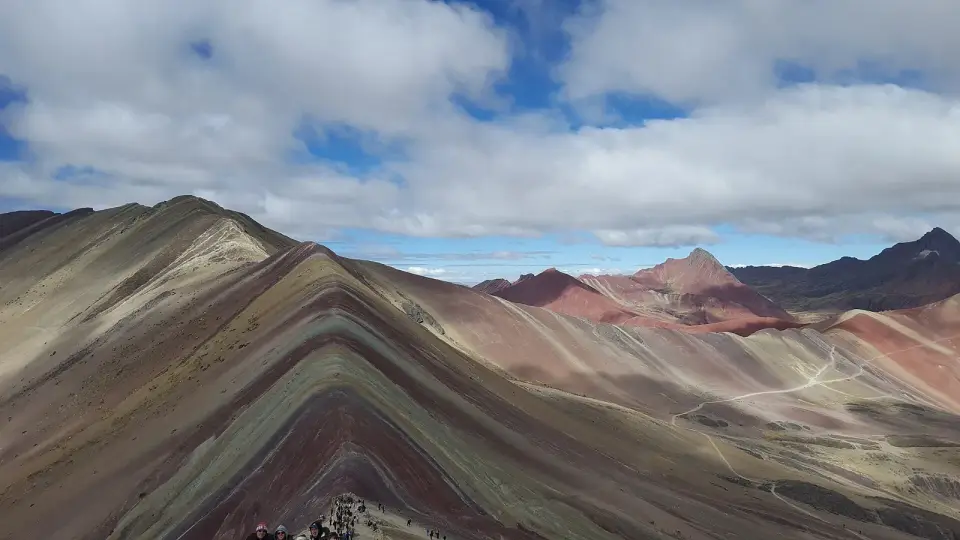
The photographs you see online are often enhanced or taken in ideal light. On an overcast day, the colours can look muted, and in fog you may see very little. That is part of the reality check: it is a striking place, but it is a long, cold, high-altitude day for a view that depends on weather.
How the day works
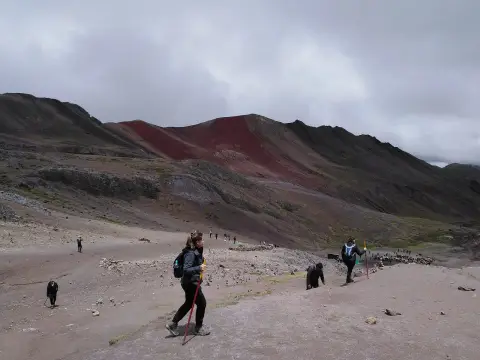
Most tours leave Cusco in the small hours, around three or four in the morning, and drive for roughly three hours, with a breakfast stop. From the trailhead, which is already above 4,000 m, the walk to the viewpoint takes about two to three hours at a slow pace and gains roughly 400 to 500 m. Horses are commonly offered for part of the way; they are a useful safety option for anyone struggling with the altitude but are not a substitute for acclimatisation.
You spend a limited time at the top, usually under an hour, then walk back down and drive to Cusco, arriving in the late afternoon. Lunch is often included in the return. The distance on foot is typically about 5 to 6 km each way.
Tours and activities
Bookable online, chosen for their traveller reviews.
-
★ Top rated From €23 per person
-
★ Top rated From €22 per person
-
★ Top rated From €23 per person
-
★ Top rated From €17 per person
Season, crowds and the alternative
The dry season, roughly May to September, gives the best chance of clear weather, but also the biggest crowds and the coldest mornings. In the wet season, rain, hail and snow are possible, trails are muddy and some departures are cancelled. Arriving early is the best way to see the viewpoint before the main groups, and weekdays are quieter than weekends.
If the main route sounds too crowded, an alternative called Palccoyo offers a similar striped landscape with a shorter walk and a lower viewpoint, though still above 4,500 m. It is not the same experience, but it is more accessible for some people. Operators vary in which route they sell, so ask exactly where you are going.
Who it suits
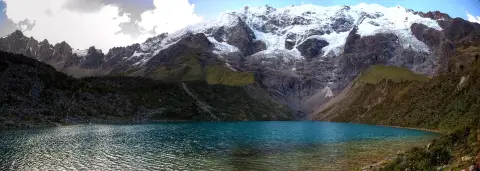
Rainbow Mountain suits travellers who are already acclimatised, are comfortable with a very early start and want a single big-view day. It is a poor choice for the first full day in Peru, for people with limited mobility who cannot rely on horses, or for anyone who dislikes crowds. If you have limited time and would rather see a similar kind of scenery at a lower altitude with a more varied walk, the question of Rainbow Mountain or Humantay Lake is worth a look before you decide.
Check what the tour includes: breakfast and lunch, entrance fee, oxygen and first-aid kit, and whether the guide will turn you around if conditions are bad.
What the colours really are
The bands come from minerals in sedimentary layers that were folded and tilted over millions of years. Iron oxides give the reds and rusty browns, other minerals give yellows and greens, and the turquoise tones come from different mineral content in the clay. The effect is real, but it is strongest when the sun is low and the rock is wet or lit from the side.
Photographs sold by tour offices are frequently edited for saturation. If you want the best chance of strong colour, ask the guide which hours are best on the day, avoid heavy cloud and accept that the early start may mean flat light at the viewpoint. A weather forecast for the Cusco region is of limited use, because conditions at 5,000 m can differ sharply from those in the city, so watch the morning sky rather than relying on the app.
The nearby red valley, a short walk beyond the main viewpoint on some itineraries, is a quieter extra for people who still have energy at the top.
Preparing: the days before
The best preparation is time at altitude, not training on a treadmill. Spend several nights in Cusco and the Sacred Valley, take easy walks and give yourself a day to rest before this excursion. A short test hike such as Humantay Lake or a day around the Sacred Valley ruins shows how your body responds. See acclimatisation for a sensible order.
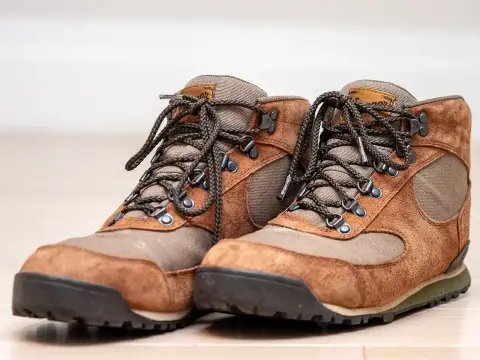
On the day, drink water regularly, eat a light breakfast, walk slowly with short rests and do not rush the final stretch, which feels steeper than it looks. Take layers, a rain jacket, gloves, a hat, sunscreen, sunglasses, some snacks and small cash for the community fee, toilets and horse hire. The full list is in gear, and altitude sickness explains which symptoms mean going down.
Horses, group size and responsible choices
Local horse owners wait at the trailhead and offer rides for part of the way. They can be a real help to someone struggling, but the animals work long days at altitude, so be sensible about using them and avoid riding if you can walk. Agree the price and the stretch covered before setting off, and keep the tip in mind for the person leading the horse.
Group size changes the day more than most people expect. A large coach party arrives together, walks together and crowds the viewpoint, while a small group with a private guide can move at its own pace and leave earlier. Ask how many people travel with the guide, what time you reach the trailhead and whether the operator works with the local community or pays only the entrance fee. These details matter more than the length of the inclusions list.
Where to sleep
-
Find hotels
Plaza de Armas and historic centre
Everything on foot, at the price of noise and crowds
-
Find hotels
San Blas
Artisans' quarter with steep lanes and views, a short walk uphill
-
Find hotels
All of Cusco
Compare every area and price level in one search
Frequently asked questions
How high is Rainbow Mountain?
The main viewpoint is at about 5,000 m, which is roughly 1,600 m higher than Cusco.
Is Rainbow Mountain difficult?
The distance is short, but the altitude makes it hard. Plan it after several days of acclimatisation, and consider a horse for part of the climb if you are not sure.
What is the best time to go?
Early morning in the dry season, from roughly May to September, offers the best chance of clear skies. Light matters more than the month for the colours.
Is it worth the early start?
It depends on your priorities and the weather. Many people find it impressive, others find it crowded and tiring. A comparison looks at it against other options.
Can you do Rainbow Mountain without a tour?
It is possible with a private taxi or public transport and a very early start, but the transfers are long and the logistics are awkward. Most visitors book a tour, which also covers the community fee and a guide.
How long does the Rainbow Mountain tour take?
Plan for a day of twelve hours or more. The drive alone is about three hours each way, and the walk takes two to three hours up with time at the top and a slower return.
Is Rainbow Mountain safe for children and older people?
Risk rises with altitude, so check with a doctor first. Children and older travellers can be affected quickly, and the long hours and cold add to the strain. Palccoyo is often a gentler choice for them.