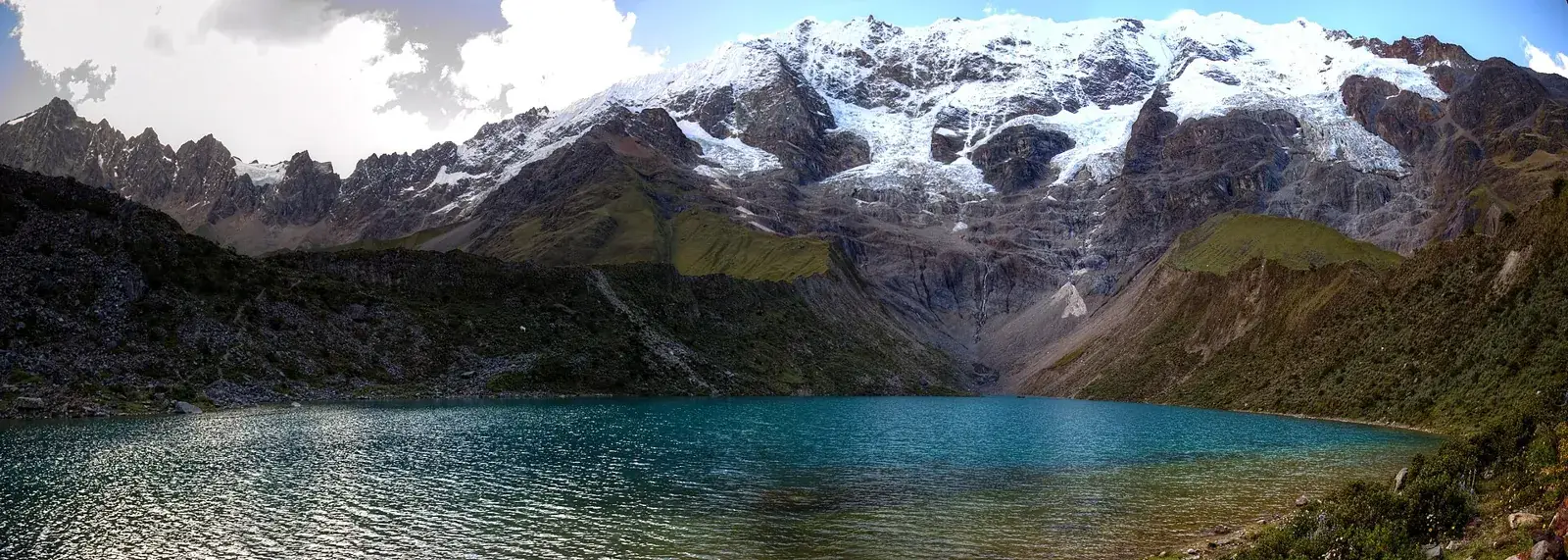
Humantay Lake is a day trip from Cusco: about three hours by road to the trailhead near Soraypampa, then a steep walk of roughly one to two hours to a turquoise lake at about 4,200 m. The distance is short, but the altitude and the final climb catch many people out. Go after a couple of days acclimatising, dress warmly and start early for the best light and fewer people.
What you see
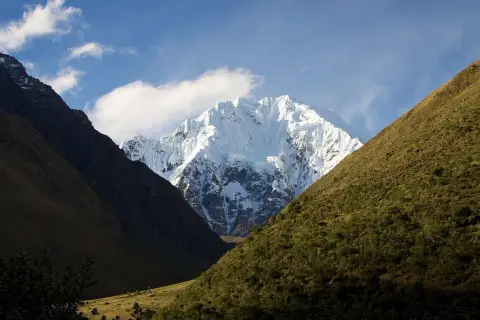
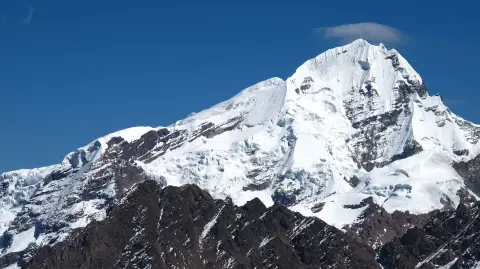
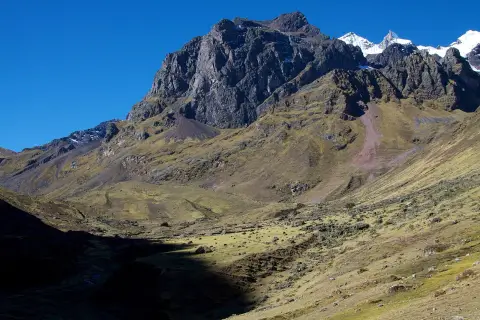
Humantay is a glacial lake at the foot of the Humantay peak, in the same mountain system as Salkantay. The water is a strong turquoise, caused by fine glacial sediment, and the lake sits in a bowl of rock and ice. In clear weather the colour and the setting are striking. In cloud or rain, the lake can look grey and the peak disappears, so the experience depends heavily on the weather and the hour.
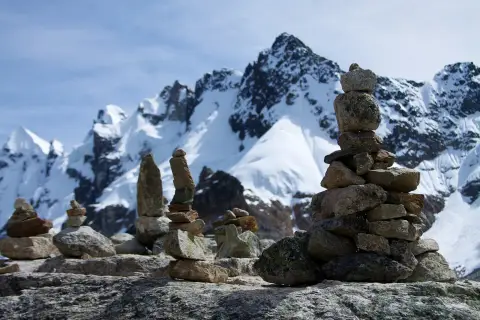
The lake is also a place of local significance. Visitors often see small offerings of stones left by walkers, and operators will usually ask you to treat the area with respect, to stay on the path and to take your rubbish with you.
How the day runs
Tours usually leave Cusco before dawn and reach the trailhead area around the Mollepata and Soraypampa zone after a journey of roughly three hours, with a breakfast stop. The trailhead is already high, at about 3,900 m, so the climb starts in thin air. The path to the lake is about 2 to 3 km and gains roughly 300 to 400 m. Most people take one to two hours going up, then spend half an hour or more at the lake and return in about an hour.
You are normally back in Cusco in the afternoon. Horses are often available for the climb, which can help some people, though the final stretch is generally walked. The route is a day walk, not a camping trek, although it is also a standard excursion on the Salkantay itinerary.
Tours and activities
Bookable online, chosen for their traveller reviews.
-
★ Top rated From €23 per person
-
★ Top rated From €22 per person
-
★ Top rated From €23 per person
-
★ Top rated From €17 per person
Season, crowds and conditions
The best chance of clear skies is in the dry season, roughly May to September, though mornings are cold and the shaded parts of the path can be icy. In the wet season, from roughly November to March, rain and cloud are frequent, the path becomes muddy and views can be poor. The lake has become one of the more popular day trips from Cusco, and the early start is your best way to avoid the busiest period.
There is an entrance fee, charged by the local community, and it is normally paid at the start of the path. Check whether your tour includes it, and carry some small cash in case it does not.
Humantay or Rainbow Mountain
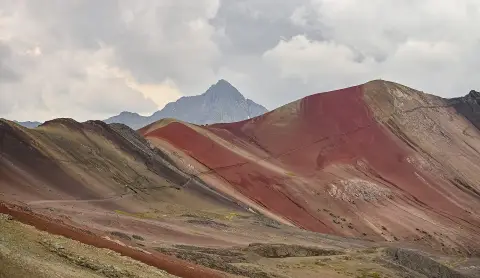
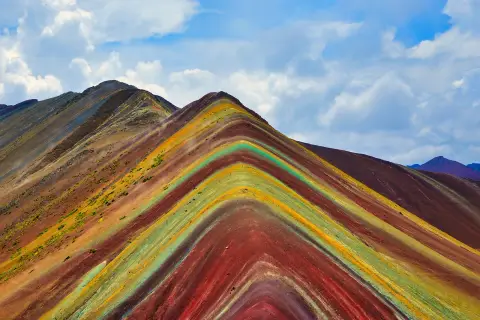
People often ask which is better. Humantay is at a lower altitude, has a shorter walk and a more compact scenic payoff, while Rainbow Mountain is higher, longer and more crowded but visually unusual. Humantay is generally the gentler option for people who are still acclimatising, and it is also a useful test walk before a multi-day trek such as Salkantay. Rainbow Mountain versus Humantay looks at the two side by side.
When booking, check the departure time, whether breakfast and lunch are included, the group size, and whether the guide has first-aid training and will turn the group around in poor conditions.
Where Humantay fits in a Cusco trip
Humantay is one of the easiest ways to test how you cope with altitude before something bigger. It is high enough to show whether you are acclimatising well, yet short enough to turn back from without losing a whole day of a multi-day trek. Many travellers place it on their third or fourth day in the region, after the Sacred Valley and before the Inca Trail or Salkantay.
The day also pairs awkwardly with other plans. Because it starts before dawn and ends in the afternoon, it leaves little energy for an evening transfer or a night bus. Keep the following morning light, and avoid booking an early train to Machu Picchu directly afterwards. If you plan the Salkantay trek, note that the lake is usually visited as part of that route, so a separate day trip may be redundant.
What to wear and carry
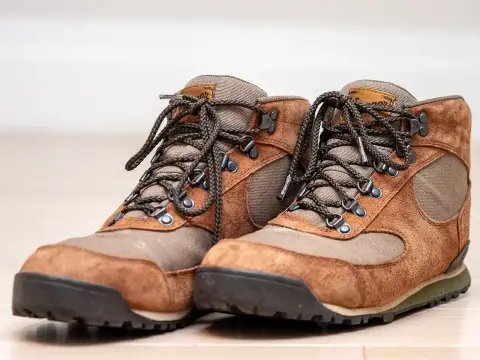
The trailhead morning is cold, the climb makes you warm and the lake is windy and cold again, so layers are the answer. A base layer, a fleece or light insulated jacket, a waterproof shell, gloves, a hat and sun protection cover most conditions. Shoes with grip matter, because the path is steep, dusty when dry and slippery when wet. Trekking poles help on the descent.
Carry at least a litre or two of water, snacks, sunscreen and a little cash for the entrance fee, toilets and tips. A small rubbish bag is useful, since there are no bins on the path. If you rent boots or poles, check them before the day rather than at the trailhead. For what to bring, what to rent locally and which items are worth buying only for a longer trek, see gear.
Reading the weather and choosing your hour
Early starts have two advantages here: the sky is usually clearest before midday, and the lake is quieter before the main groups arrive. By late morning cloud often builds over the peak, and by afternoon wind and showers are common. If the weather turns bad, the guide may shorten your time at the water or turn the group around.
If you have a free choice between tour times, take the earlier departure. Some operators offer a small-group or private option with a custom start time, which can be worth considering if you are not comfortable in crowds. Be aware that the nature of the trip does not change in the rainy months, only the likelihood of a clear view, so check recent photographs from the previous days and ask the operator how often they cancel for weather. For what to do if you feel unwell on the way, see altitude sickness.
Where to sleep
-
Find hotels
Plaza de Armas and historic centre
Everything on foot, at the price of noise and crowds
-
Find hotels
San Blas
Artisans' quarter with steep lanes and views, a short walk uphill
-
Find hotels
All of Cusco
Compare every area and price level in one search
Frequently asked questions
How high is Humantay Lake?
The lake is at about 4,200 m, with the trailhead at roughly 3,900 m.
How long is the hike?
The walk is short, about 2 to 3 km each way, but it takes one to two hours up because of the altitude and the steep gradient.
Can I swim in the lake?
No. The water is cold, the altitude makes it dangerous and the lake is a protected place of local importance.
Is it suitable for beginners?
It is a common first high-altitude hike, but only after acclimatisation. Take the pace slowly and consider a horse if you are concerned.
Is Humantay Lake worth it?
In clear weather the colour and the setting are striking, and the walk is short compared with other high-altitude excursions. In cloud it is less dramatic, so go with realistic expectations and a flexible plan.
Is Humantay Lake part of the Salkantay trek?
Yes. Most Salkantay itineraries include a visit to the lake as an acclimatisation walk, either on the first afternoon or on the morning of the second day. A separate day trip is not necessary if you are doing the full trek.
What should I wear for Humantay Lake?
Wear layers: a base layer, a warm mid layer, a waterproof jacket, a hat and gloves, plus shoes with good grip. Temperatures swing widely between the trailhead, the climb and the windy lake shore.