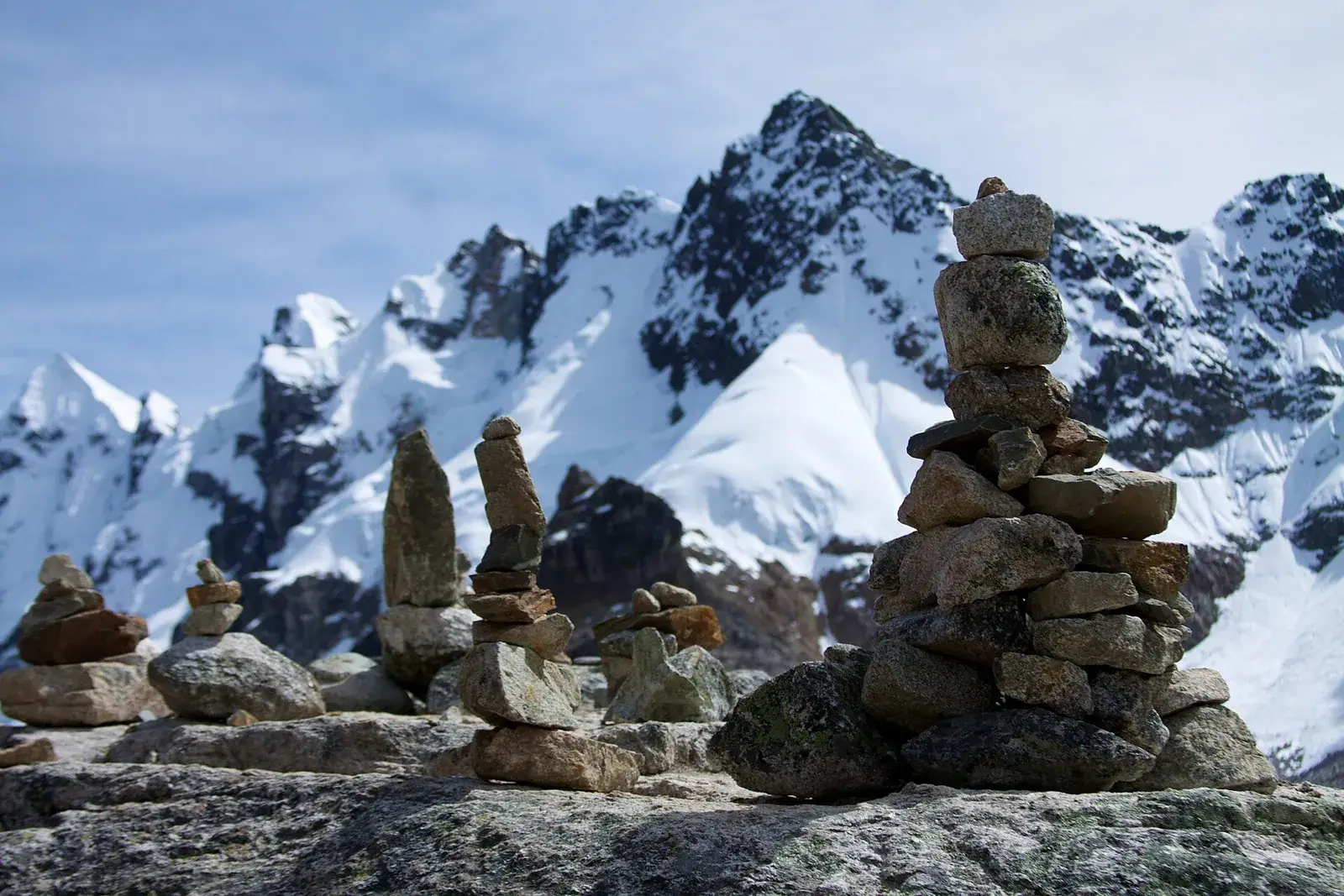
Plan at least two or three nights at moderate altitude before any trek, and build the itinerary so that you climb gradually. A common order is Lima, then the Sacred Valley at about 2,800 m, then Cusco, then a short hike, then the main trek. Fitness does not protect you from altitude sickness. This is general information, not medical advice, so see a doctor before you travel if you have any health concern.
Why acclimatisation matters more than fitness
At altitude, there is less oxygen in each breath. The body adapts over days by breathing faster, producing more red blood cells and changing how it uses oxygen, and that process cannot be hurried by training. Athletes get altitude sickness as readily as anyone, and sometimes more readily, because they ascend too fast. The people who do best are those who give themselves time.
Peru's main trekking bases are high. Cusco is at about 3,400 m, Huaraz at about 3,050 m, and most trek passes are above 4,000 m. Arriving by plane from sea-level Lima compresses the change into a few hours, which is why the first days need care.
A sensible order of stops
For the Cusco region, an effective approach is to go from Lima to the Sacred Valley first, where villages such as Ollantaytambo and Urubamba sit at roughly 2,800 m, spend one or two nights there, then move to Cusco and spend another two nights before the trek. Add a short, easy walk at altitude, such as the Cusco ruins above the city, then a day hike such as Humantay Lake, before attempting a multi-day route.
For the Cordillera Blanca, spend at least two or three nights in Huaraz and take a lower-effort walk, such as Laguna Churup, before higher day hikes or multi-day treks. If you are coming from Lima by road, the climb is steady and the effect can be stronger than expected.
A general rule that mountaineers use is that, once above about 3,000 m, you should avoid raising your sleeping altitude by more than a few hundred metres per night, and take a rest day every few days. This is hard to apply on a fixed itinerary, but it is a useful guide.
Everyday habits that help
Drink water regularly, eat light meals, avoid alcohol in the first days, and do not overdo exercise on arrival. Walk slowly and rest when you need to. Coca tea is a traditional remedy in the Andes and many people find it pleasant, but it is not a substitute for gradual ascent. Sleeping altitude matters more than the highest point you reach in the day, so a day trip high can be less risky than sleeping high.
Some travellers ask a doctor about preventive medication before the trip. This is a medical decision that depends on your health history, and we cannot advise on it. Raise it with a doctor well before you leave, along with any heart, lung, blood, pregnancy or sleep concerns.
Planning with your operator
Tell your operator your arrival date and how many days you have spent at altitude. A reputable operator will adjust the start date, suggest an acclimatisation walk or advise against a tour that is too soon after arrival. Ask whether the guides carry emergency oxygen and a first-aid kit, what the evacuation plan is, and whether a horse or an alternative route is available if someone struggles. If you are travelling to Lake Titicaca, Puno sits at roughly 3,800 m, so it is higher than Cusco, and it is better visited after Cusco than before.
Buffer days are worth including. A fixed schedule that leaves no room for a rest day is the one most likely to push people to continue when they should not.
A sample ten-day sequence
One way to build a sequence is to spend the first night in Lima or fly straight to Cusco and take a car down to the Sacred Valley, sleeping at about 2,800 m for two nights. Day three can be a visit to ruins in the valley, then a move up to Cusco for two more nights with gentle walking. On day six, a first test hike such as Humantay Lake shows how you cope above 4,000 m. Day seven is a rest or a low-effort sightseeing day, and the multi-day trek starts on day eight.
The order shifts if you are coming from Arequipa or Puno, which are already high, or from La Paz in Bolivia. Anyone arriving from altitude already has a head start, but sleeping quality and appetite still tell you more than a calendar does. Sleeping at 3,400 m describes what the first nights are like.
What to expect in the first days
Many people feel nothing dramatic and simply tire quickly: stairs feel steep, sleep is lighter and vivid dreams are common. Some have a mild headache for a day. Appetite may drop and drinks go down more easily than meals. These effects usually fade within two or three days, and gentle walking helps more than staying in bed.
Avoid heavy meals, strong alcohol and long sessions in the sun on the first day. Use sun protection, since ultraviolet exposure is higher, and drink water regularly. If you find that you cannot sleep at all, or that your breathing remains laboured at rest, treat it as a signal to slow down. For the symptoms to watch and when to seek help, see altitude sickness; you should always follow a doctor's advice over general information on a website.
Frequently asked questions
How many days do I need to acclimatise?
Two or three nights at moderate altitude is a common minimum before a high trek. More is better, and individual responses vary a great deal.
Does being fit prevent altitude sickness?
No. Fitness helps with the physical effort, but altitude sickness depends on how quickly you ascend and on individual factors.
Should I go to Cusco or the Sacred Valley first?
The Sacred Valley is lower, which many travellers find easier. Starting there and moving to Cusco afterwards is a common approach.
Can I take medication to prevent it?
That is a question for a doctor who knows your health. Raise it well before you travel.
Is it better to fly into Cusco or take a bus from Lima?
Flying is faster but puts you at 3,400 m within hours. Many people go down to the Sacred Valley immediately, while overland routes from the coast rise more slowly but take far longer and are not necessarily easier.
Does coca tea cure altitude sickness?
No. It is a traditional drink that many people like, but it does not replace gradual ascent, rest or medical advice if symptoms are serious.
What if my trek starts the day after I arrive in Cusco?
Consider moving the start date. Arriving and trekking straight away is the most common route to serious altitude problems, and a good operator will advise delaying or adding an acclimatisation day.