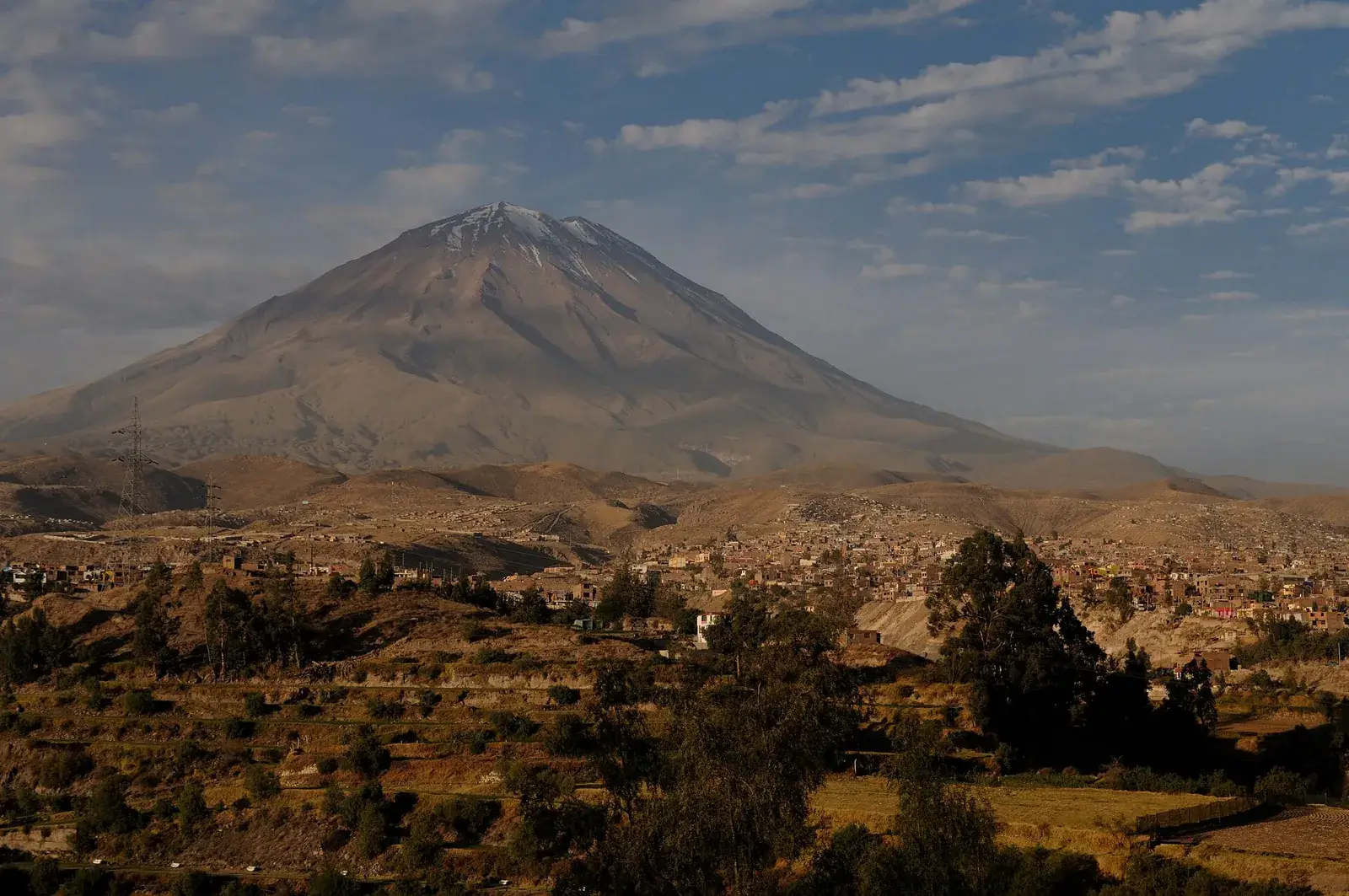
Two nights is a good stay in Arequipa, three if you want to add a half-day trip or a long lunch in the countryside. The city is at about 2,300 m, much gentler than Cusco, which makes it a comfortable first stop in the Andes. The sights are compact, the climate is sunny and the cooking is some of the best in the country.
In this section
-
 Destination guide
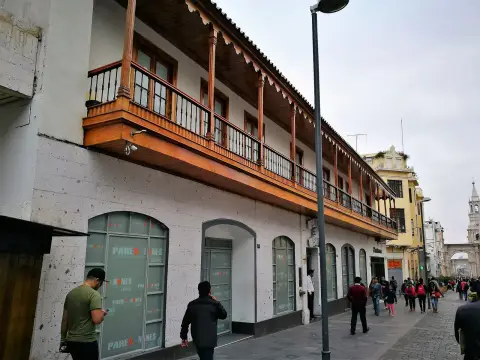
Where to Stay in Arequipa
Arequipa is small enough that the centre suits almost everyone, but the details of the street and the room matter.
-
 Destination guide
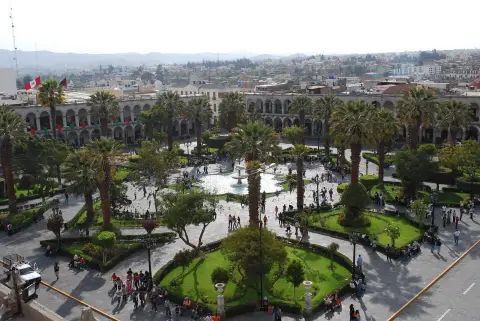
Things to Do in Arequipa
Arequipa packs a monastery town, a volcano skyline and a distinctive cuisine into a compact centre.
-
 Destination guide
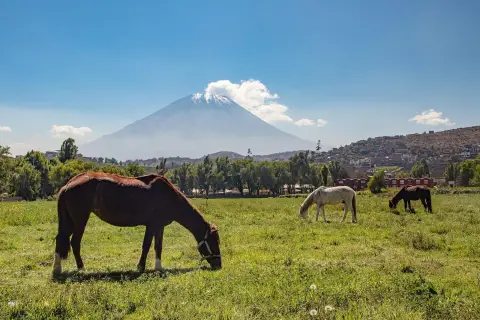
Tours from Arequipa
Arequipa's tours range from a pleasant city walk to serious volcano climbs, and the right choice depends on your fitness and time.
-
 Attraction
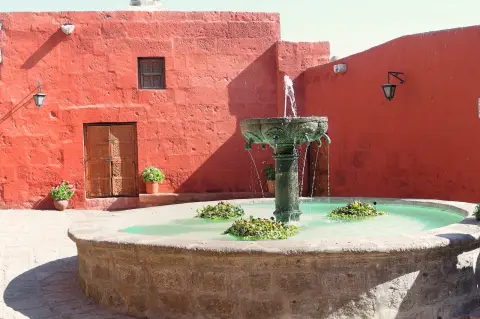
Santa Catalina Monastery
A large walled convent complex in Arequipa, laid out like a small colonial town of coloured streets and cloisters.
-
 Attraction
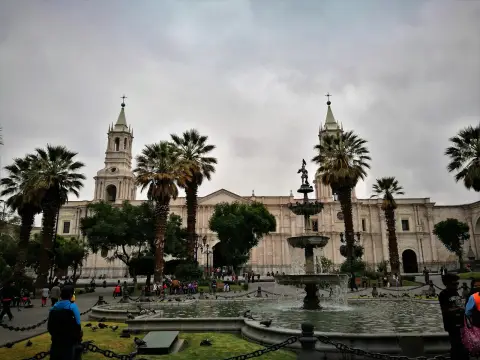
Plaza de Armas Arequipa: Cathedral and Sillar
The arcaded main square of Arequipa, framed by a long cathedral, white volcanic stone and the cone of El Misti.
-
 Attraction
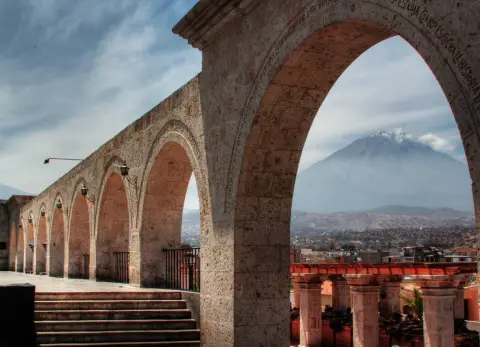
Yanahuara Viewpoint, Arequipa: Arches and Misti
A residential district with a viewpoint of sillar arches, framing El Misti and the rooftops of Arequipa.
-
 Attraction
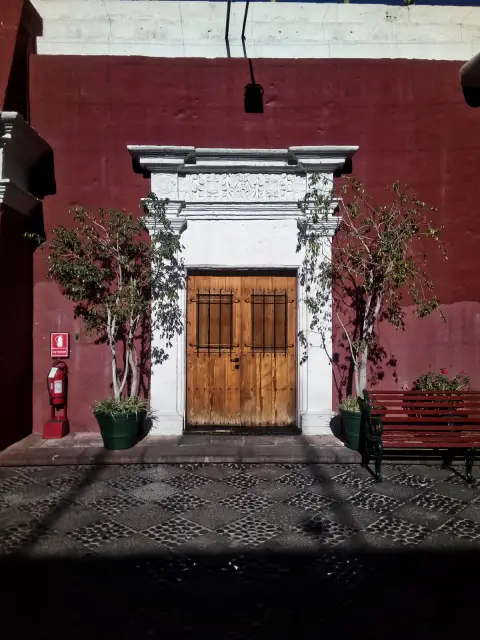
Juanita Mummy Museum in Arequipa
A small museum in central Arequipa that shows Inca-era child mummies found on the Ampato volcano, visited with a guide.
-
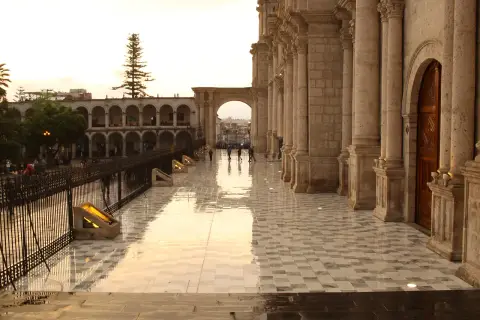 Attraction
Arequipa Cathedral
The long sillar cathedral that closes the Plaza de Armas, rebuilt after fires and earthquakes, with a notable interior.
-
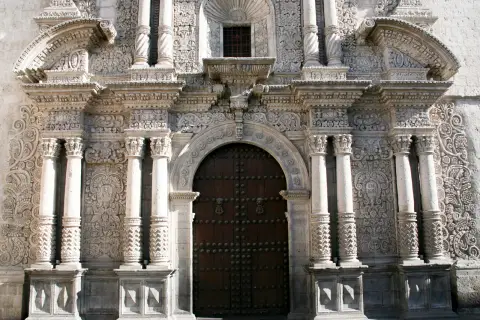 Attraction
La Compañía Church
A Jesuit church on the corner of the Plaza de Armas whose carved stone facade is the finest example of Arequipa's mestizo baroque.
-
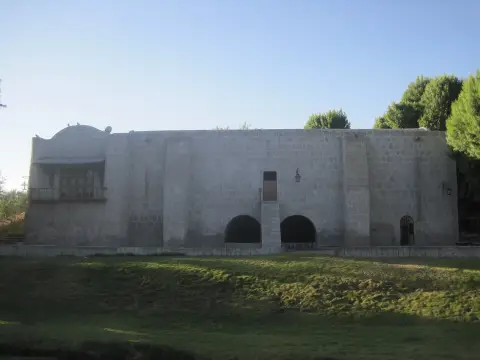 Attraction
Sabandía Mill
A colonial stone water mill in the green countryside south-east of Arequipa, an easy half-day trip from the city.
-
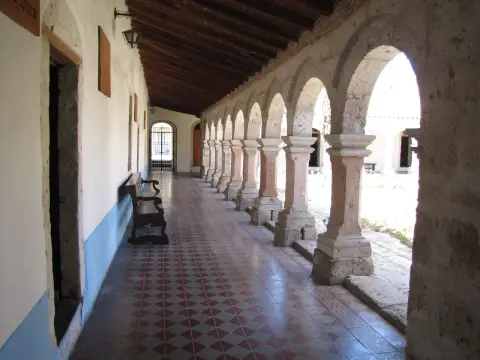 Attraction
La Recoleta Monastery
A seventeenth-century Franciscan convent across the river from Arequipa's centre, known for its antique library and its Amazonian museum.
Why Arequipa is different
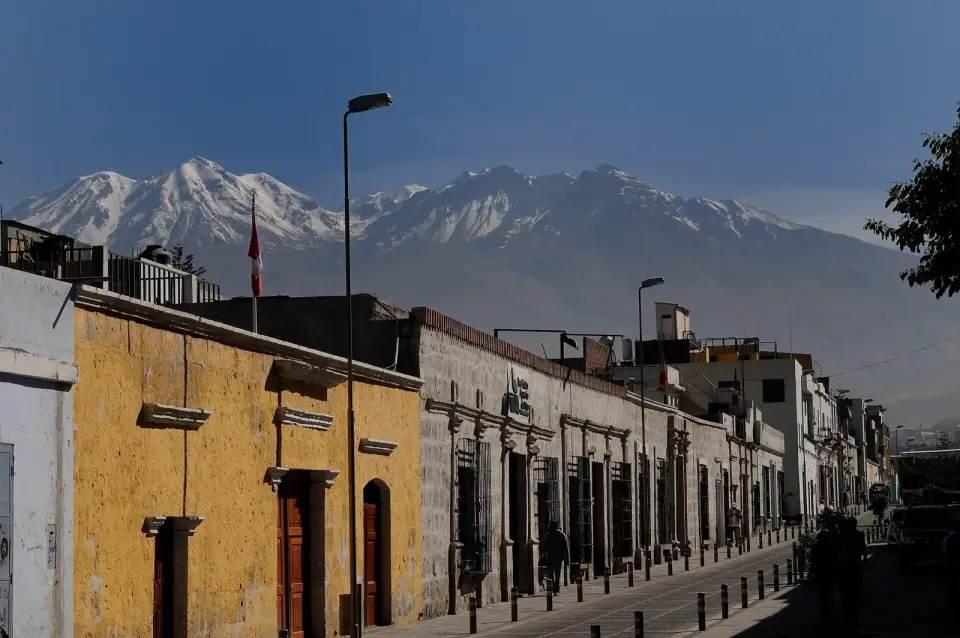
Arequipa is built in sillar, a pale volcanic stone that gives its churches and arcades a white or cream glow, which is why people call it the White City. The old town, centred on a large Plaza de Armas with a long cathedral, is listed by UNESCO and is easy to cover on foot. Behind it rises El Misti, a near-perfect volcano, flanked by the broader mass of Chachani, and the view of the three together is the picture most visitors take away.
The city is also big, proud and self-confident. It has a strong regional identity, its own cuisine and a reputation for being slightly independent of Lima and Cusco. That independence shows in the way locals talk about their city, and it is one reason Arequipa feels distinct from the rest of the southern Andes rather than a smaller copy of Cusco. To see how the two differ, compare Cusco and Arequipa.
How many days to spend
Two nights gives you the old town, the monastery of Santa Catalina and a good meal in a picanteria, a traditional local restaurant. A third night lets you add the Mirador de Yanahuara viewpoint, a visit to the countryside around the city, or the first stage of a Colca Canyon trip.
If you are heading to the Colca Canyon, Arequipa is the usual starting point. The most common plan is to stay two nights in the city, take a one or two day trip to Colca, then continue to Puno or Cusco. Whether the city deserves more than that is tested in is Arequipa worth visiting.
Arrivals by overnight bus or an early flight often leave you with a spare morning, so leave the monastery for later in the day and use the first hours to walk the old town slowly while the altitude settles.
Tours and activities
Bookable online, chosen for their traveller reviews.
-
Day trip From €38 per person
-
Day trip From €16 per person
-
Day trip From €58 per person
-
From €9 per person
Tours and activities
Bookable online, chosen for their traveller reviews.
-
-
-
-
What to see
The Santa Catalina monastery is a walled convent that works like a small town inside the city, with painted alleys and quiet courtyards. The Plaza de Armas and the churches around it are best at dusk, when the stone warms up. The Mirador de Yanahuara, a short ride from the centre, has arches framing the volcano. Museums of note include one housing a well-known Inca mummy discovered on a high volcano.
Things to do in Arequipa offers more options, from markets to walks in the surrounding countryside. Arequipa is also a base for adventurous excursions, including volcano climbs. These are serious high-altitude outings and need a reputable agency and a proper medical check; tours in Arequipa explains how to judge what is on offer.
What to eat
Arequipa is the home of rocoto relleno, a stuffed hot pepper, and of adobo, a pork stew traditionally eaten in the morning. Picanterias serve large lunches, often until mid-afternoon, so plan your day around a late lunch instead of an early dinner. The food can be spicy, so ask if you are unsure.
Eating in Arequipa lists the dishes to look for, and rocoto relleno is explained step by step. Vegetarians can usually find something, but the traditional menu leans on meat, so ask about the stock and fillings when you order. Arequipa's food is also a useful contrast with the coastal cooking of Lima, since it relies on chillies, dairy and slow stews rather than raw fish.
Climate and altitude
The city sits in a dry highland basin with strong sunshine for most of the year, cool nights and a short summer rainy season. At about 2,300 m, some visitors still feel the altitude, but it is much milder than Cusco or Puno. If you are travelling from the coast, Arequipa is a sensible first step before going higher.
The sun is strong at this height, so sunscreen and a hat matter even on cool days. Mornings and evenings can be chilly, and the contrast between sunny afternoons and cold nights catches out people who pack only light clothes. For a clear picture of regional conditions, see the altitude sickness, which also explains how to plan a gradual climb.
Getting here and moving on
Arequipa has an airport with flights from Lima and Cusco, and long-distance buses link it with the coast, Cusco and Puno. The road to Lima is very long, so most visitors fly. The route towards Lake Titicaca is covered in Arequipa to Puno, and it makes a scenic day.
Inside the city, taxis and walking cover almost everything. The centre is compact enough that you rarely need more than a short ride. If you plan to cross to the canyon, Arequipa to the Colca shows the options, from tours to local buses.
Who Arequipa suits
Arequipa suits travellers who like architecture, food and a calmer city after the crowds of Cusco. It is an easy stop for older visitors and for anyone worried about altitude, because the city is at a moderate height and the main sights involve little climbing. It is less suited to those who want ruins or a strong Inca story, which are better served in the Sacred Valley.
Photographers enjoy the soft light on the stone at the start and end of the day, and walkers appreciate a city where distances are short. If you only have a few days in the south, Cusco and the Sacred Valley come first, and Arequipa is the stop to add when you have a week or more.
Map
Where to sleep
-
Find hotels
Plaza de Armas and historic centre
Colonial core within walking distance of the main sights
-
Find hotels
San Lázaro
Old narrow lanes close to the main square, with character and lower prices
-
Find hotels
Yanahuara
Residential quarter with views of the volcano and good restaurants
-
Find hotels
All of Arequipa
Compare every area and price level in one search
Weather in Arequipa
Forecast: MET Norway
Frequently asked questions
Is Arequipa worth visiting?
Yes, particularly for colonial architecture, food and a gentler altitude. It is also the access point for the Colca Canyon.
Should I visit Arequipa before or after Cusco?
Before is easier on the body, since the altitude rises gradually. After works if you want a relaxed end to a busy trip.
Can I do Arequipa and Colca in one trip?
Yes. Many people do a one-night or two-day Colca tour from the city, then return or continue towards Puno.
Is Arequipa safe to walk around?
The historic centre is generally comfortable by day and evening, but the usual precautions apply: keep phones and bags close, use registered taxis at night and avoid quiet streets late.
What is the best time to visit Arequipa?
The dry season from roughly May to September gives the clearest skies, though nights are cold. The wetter months bring short afternoon showers but fewer visitors, and the city is rarely closed by weather.
Can I climb El Misti from Arequipa?
Yes, agencies in the city organise ascents of El Misti and other nearby volcanoes. They are demanding climbs at high altitude, so you need fitness, acclimatisation and a reputable operator, and you should speak to a doctor first.
Is Arequipa good for a day trip to the Colca Canyon?
A single day is possible but very long and tiring, and it leaves little time at the viewpoints. Two days, with a night in the canyon, is a much better plan. Tour or independent helps you decide.
Is Arequipa expensive?
It is generally moderate by international standards, with good-value lunches and a wide range of hotels. Prices for tours and for the monastery vary by season.