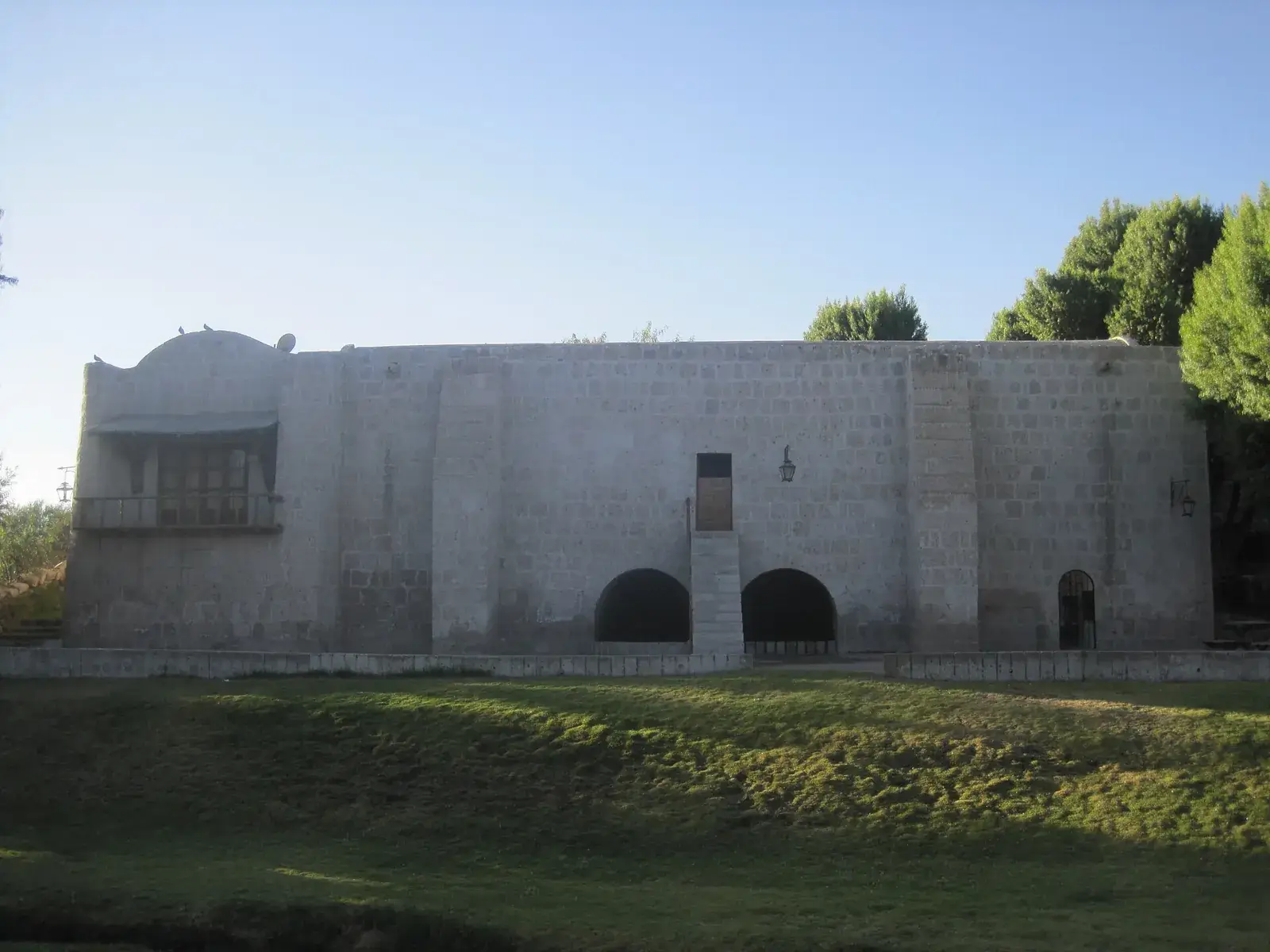
The Sabandía Mill is a colonial water mill built of white volcanic stone in the district of Sabandía, roughly 9 to 10 km from central Arequipa. It is a quiet, short visit of about an hour, best as part of a half-day countryside trip with a viewpoint or two. Go by taxi or local bus, check the opening hours and entry fee before you set out, and do not expect a large site: the appeal is the building, the working millstones and the green setting.
Map
What the Sabandía Mill is
The Sabandía Mill (Molino de Sabandía) is a water-powered grain mill in the countryside of the Sabandía district, a green farming area on the edge of the Arequipa basin. It is usually described as one of the oldest surviving mills in the region, and it was built to grind wheat, barley and maize for the city and its farms, long before electricity or roller mills arrived.
It is a small attraction compared with the monastery or the plaza in the centre, and it helps to arrive with the right expectations. There is no vast complex and no museum with long galleries. What you get is a well-proportioned stone building, a stream-fed mechanism that explains how flour was made for centuries, and a rural setting that feels far from the traffic of the city. For travellers who have already seen the main sights in the things to do in Arequipa list, it is a gentle change of pace.
A short history
Most accounts date the mill to 1621, when it was built for Don García de Vargas Machuca under the direction of the master mason Francisco Flores. Some sources give a later date in the 18th century, which probably reflects the changes made when a later owner modified the property, so treat any single date with some caution.
Like many colonial mills, it ground local grain for generations and then declined as milling moved to larger mechanised plants. By the 20th century it had been abandoned and was in poor condition. A restoration programme was carried out in the early 1970s and is reported to have finished in 1973, led by the architect Luis Felipe Calle, and it is that restored building which visitors see today. The mill is listed as part of the national cultural heritage, although the exact legal status and the present ownership are worth checking if you need them for a project.
Tours and activities
Bookable online, chosen for their traveller reviews.
-
Day trip From €38 per person
-
Day trip From €16 per person
-
Day trip From €58 per person
-
From €9 per person
What you see
The building is made of sillar, the pale volcanic ashlar that gives central Arequipa its nickname, the White City. The long façade has thick walls with buttresses, arched openings at the base where the water channels run, and a stone staircase on the side. Inside, the thick walls, vaulted ceilings and small windows keep the rooms cool, and the layout shows how the grain was brought in, ground and bagged.
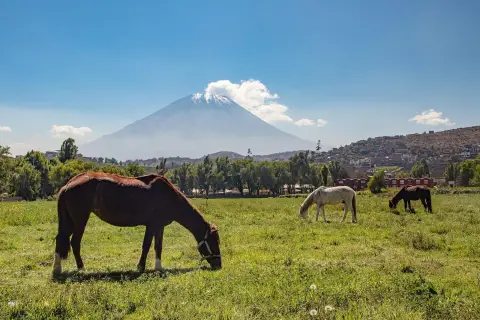
The mechanism is the main interest. Water is diverted from the surrounding irrigation system into channels that turn the wheels, which in turn drive the millstones. The mill is reported to be still working, and it is sometimes shown in operation for visitors, though how often depends on the day and on the season. Around the building there are gardens, tall trees and open grass, with some animals kept for visitors, and the surrounding fields give a good picture of the green strip of agriculture that has fed Arequipa since colonial times.
How to get there from Arequipa
The mill lies roughly 9 to 10 km south-east of the Plaza de Armas, which means a drive of about 20 to 30 minutes depending on traffic. A taxi from the centre is the simplest option, and many drivers will wait for a fixed fee while you visit, which is worth arranging at the start. Agree the price before getting in, as described in money and ATMs, and ask about the return trip at the same time.
Local buses and minibuses also run to Sabandía from the city and stop near the mill, and they cost far less than a taxi, but the route is not obvious to a first-time visitor, so ask your hotel or the driver where to board. Organised half-day countryside tours often include the mill with other stops, and the options are set out on the Arequipa tours page. Cycling is possible on the flat roads, but the traffic on the main road is not gentle.
When to go and how long to stay
Plan for about an hour at the mill itself, a little longer if you want to sit in the garden or have a meal in the grounds. Together with the drive and one or two other stops, the trip fills a morning or an afternoon.
The best time of day is the morning, when the light on the stone is clear and the place is quietest, and when the sun is not yet at its strongest. Arequipa is sunny for much of the year, and the high-altitude sun is strong even when the air is cool, so a hat and sunscreen help. The dry season, roughly May to September, brings the most reliable weather, while the rains from about January to March can make the countryside greener but the afternoons less predictable. Opening hours and fees change, so confirm them locally before you go and carry some small cash in soles, since a countryside site may not accept cards.
Altitude, effort and who it suits
Sabandía sits lower than the high Andean towns, at an altitude of about 2,390 m according to the district records, close to the 2,330 m of Arequipa itself, so there is no special acclimatisation issue beyond what you already feel in the city. The visit involves gentle walking on paths and some stone steps, with no steep climb, which makes it comfortable for most ages. If you arrived directly from the coast, read altitude sickness first and take the first day easily.
The mill suits travellers interested in colonial architecture, in how things were made, and in the countryside around the city, as well as families who want an easy outing. It is less rewarding for anyone who expects dramatic scenery or a big archaeological site. Some stairs and uneven ground make it hard for wheelchair users, so ask about access before you go.
What to combine it with
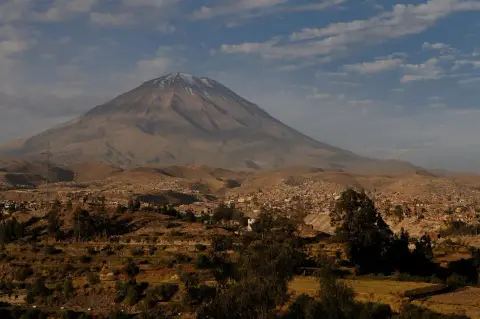
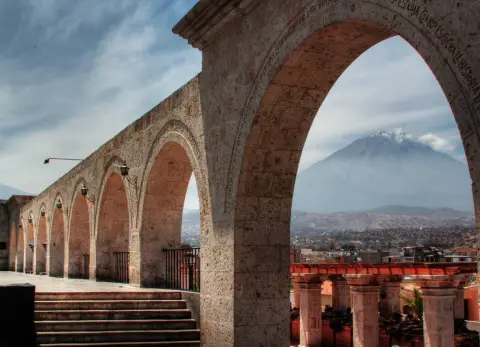
The mill pairs naturally with other places in the same area. The Paucarpata terraces, of pre-Hispanic origin, are reported to be about 15 minutes from the centre and offer a view of the Misti volcano, and a viewpoint in Sachaca gives a wider look over the city. A colonial hacienda in the district known as the Founder's Mansion is another stop that tour operators often include. Check what is open on the day, since hours vary.
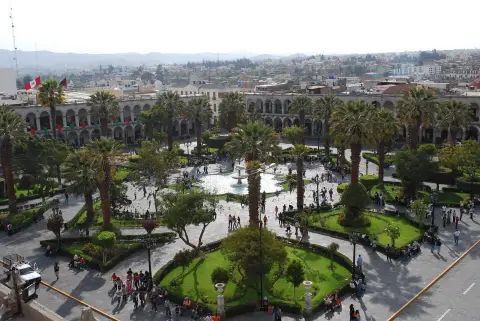
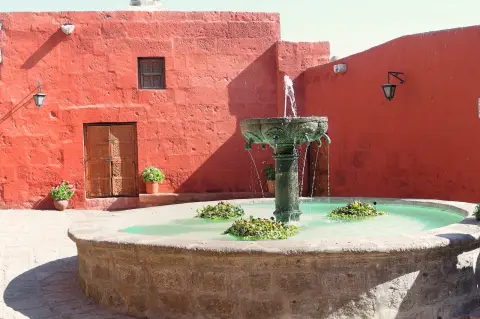
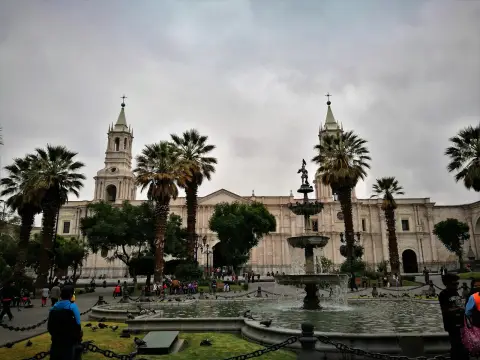
In the city, the Santa Catalina monastery and the Plaza de Armas are the main sights to do on another half day, and the Yanahuara viewpoint frames the volcano from the other side. The Juanita mummy museum is a good rainy-day option. For lunch, what to eat in Arequipa explains the local dishes served in countryside restaurants, which are often a main reason locals drive out to the area.
Planning the trip
Treat the mill as a flexible half day rather than a fixed appointment. Start from your hotel, which you can choose from the Arequipa places to stay options, and decide on the day depending on the weather and on how much of the city you have already seen. For the wider picture of the city and its surroundings, the Arequipa guide is the place to begin, and if you are planning a longer excursion, the Colca Canyon is the major trip from the city.
Keep valuables out of sight in taxis and on buses, and use the same common-sense habits as in the centre; the scams page covers the usual problems. Carry water, since the grounds are open and shade can be limited.
Where to sleep
-
Find hotels
Plaza de Armas and historic centre
Colonial core within walking distance of the main sights
-
Find hotels
San Lázaro
Old narrow lanes close to the main square, with character and lower prices
-
Find hotels
Yanahuara
Residential quarter with views of the volcano and good restaurants
-
Find hotels
All of Arequipa
Compare every area and price level in one search
Frequently asked questions
Is the Sabandía Mill worth visiting?
It is worth a short trip if you like colonial architecture and quiet countryside and have an extra half day in Arequipa. It is not a large or dramatic site, so skip it if time is tight and the Santa Catalina monastery is still on your list.
How far is the Sabandía Mill from Arequipa?
It is roughly 9 to 10 km south-east of the Plaza de Armas, about 20 to 30 minutes by car. A taxi is the simplest way, and local buses also run to the area.
How long does a visit to the mill take?
About an hour at the mill, and a half day if you add a meal and one or two other stops in the district. The mill alone does not need more.
When was the Sabandía Mill built?
Most sources say 1621, built for Don García de Vargas Machuca under the master mason Francisco Flores. Some give a later date, probably because of later modifications, and the building was restored in the early 1970s.
Does the mill still work?
It is reported to be still operating, with water driving the wheels and millstones, and it is sometimes demonstrated for visitors. Whether it is running on the day you go cannot be guaranteed, so ask on arrival.
Is there an entry fee, and can I pay by card?
A small entry fee is normally charged, but the amount has changed over time and sources disagree, so check it locally. Bring cash in soles, because a countryside site may not take cards.
Can I visit the mill as part of a tour?
Yes, countryside half-day tours from the city often include the mill with other stops, and the Arequipa tours page shows what these usually cover. Going independently by taxi gives you more control over how long you stay.