The Juanita Mummy Museum, officially the Museo Santuarios Andinos, shows mummies of children offered in Inca-era rituals and found high on the Ampato volcano near Arequipa. Juanita, discovered in 1995, is the best known. The museum is visited on a guided tour of roughly an hour, with an introductory film and displays of objects found with the bodies.
It is serious, informative and moving, and it is not for everyone. Check the current schedule and tour languages, expect restrictions on photography and decide beforehand whether the subject suits you and any children travelling with you.
Map
What the museum is
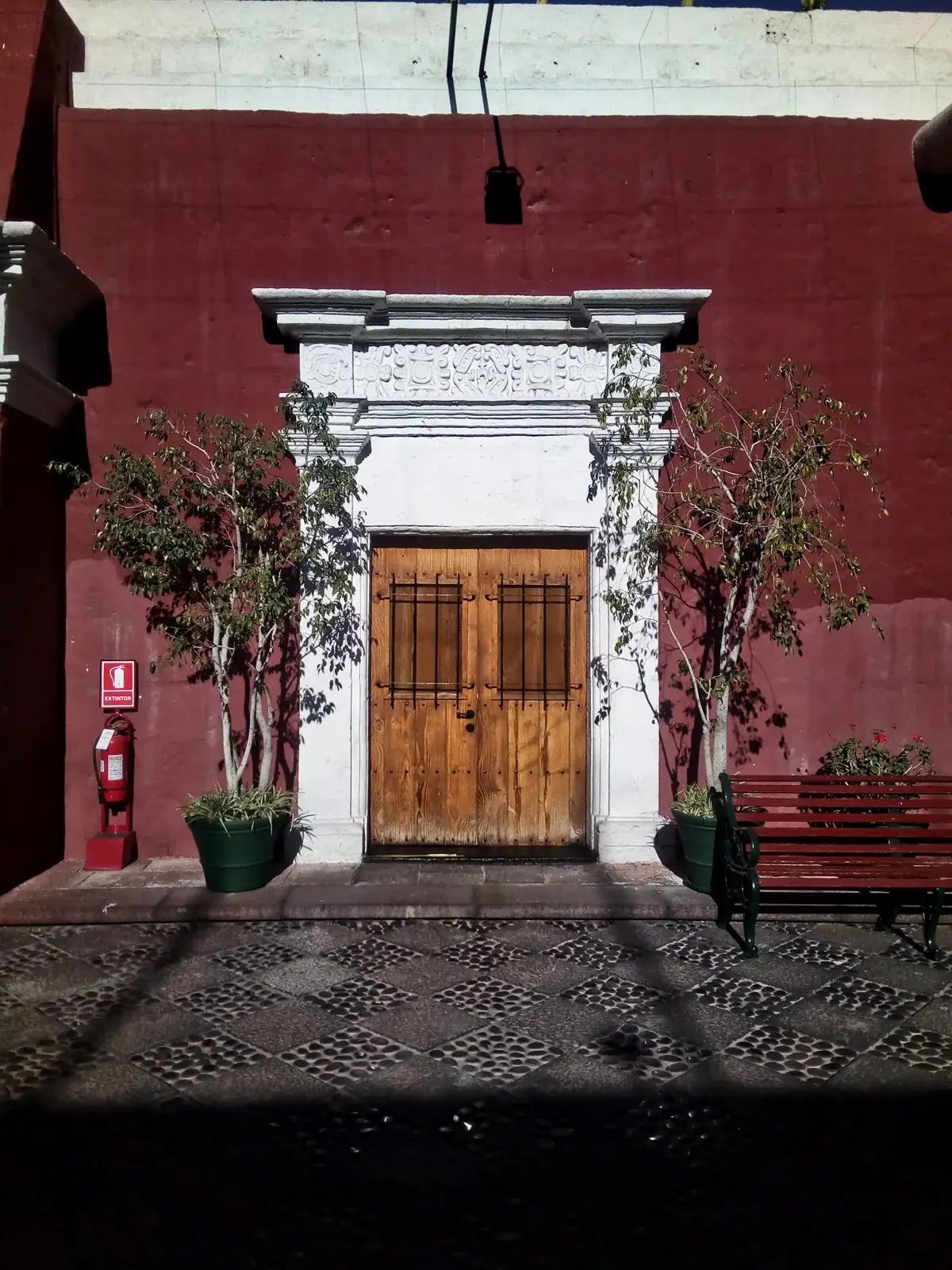
The Museo Santuarios Andinos is a small museum in the historic centre of Arequipa, run by a local university, the Universidad Católica de Santa María. It was created to study, conserve and display the bodies and offerings recovered from the high peaks near the city. The museum is often called the Juanita Museum after its most famous exhibit, although it covers more than one individual.
The setting is modest, with a few exhibition rooms, and the experience is built around a guided visit rather than a long wander. Its value lies less in the building than in the objects and the account of how they were found and studied.
For travellers, the museum offers something that is hard to find elsewhere: a close, careful look at a belief system that set sacred places and human offerings at the highest peaks. It also helps explain why the Andes were so important to Inca ideas of landscape.
The discovery on Ampato
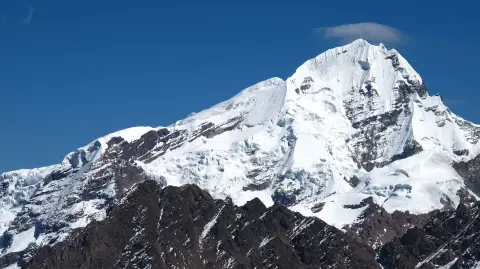
Juanita was found in 1995 on the summit area of Ampato, a volcano of about 6,300 m in the mountains north-west of Arequipa. The expedition was led by the American archaeologist Johan Reinhard with the Peruvian climber Miguel Zárate. It is usually reported that nearby volcanic activity had dropped ash on the ice, melting the snow and exposing the burial, and that a bundle had slipped down the slope.
The body was that of a girl, generally described as aged roughly 12 to 15, who is believed to have died around 500 years ago, during the period of Inca expansion. Cold and altitude preserved her unusually well. Other bodies were later found on the same mountain.
Researchers have studied the mummies with modern methods, and the museum presents some of the results. Details of age, cause of death and the dates vary between sources, so treat figures as approximate and listen for any updates from the guide.
Tours and activities
Bookable online, chosen for their traveller reviews.
-
Day trip From €38 per person
-
Day trip From €16 per person
-
Day trip From €58 per person
-
From €9 per person
Capacocha and what the finds mean
Specialists link the burials to the capacocha, an Inca ceremony described in colonial chronicles in which selected children were taken to sacred mountains and offered to the powers believed to live there. Some accounts connect the rite to major events, such as the accession of a ruler or an appeal to mountain deities for protection. These explanations are widely accepted but not certain, because Inca records were not written and later accounts were filtered through Spanish writers.
The objects found with the children, including small figurines, textiles and pottery, are shown to indicate the care that went into the ceremony. Guides usually stress that the individuals were chosen for their status and were treated with respect, although visitors may find that explanation uncomfortable.
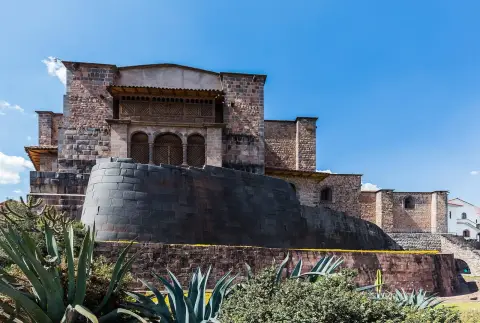
It helps to see the museum as one piece of a wider picture. A visit to Qorikancha in Cusco shows the Inca religious world in the capital, while this museum shows its reach into the high mountains.
The guided visit
The visit is organised as a guided tour in small groups. A typical visit starts with a short introductory film about the expedition, then moves through rooms with objects and explanatory panels, before reaching the mummy display. Tours are given in Spanish and in English, and sometimes in other languages, so ask at the ticket desk about languages and the next departure.
The whole visit usually takes around an hour, and the museum is not large. Waiting for a tour can add some time, particularly in high season, so go early or ask when the next group begins. Opening days and hours can change, so check the current schedule.
Juanita herself is usually kept in a refrigerated glass case to protect her. In some periods, she may be removed from display for conservation, and another mummy is shown in her place. Ask before you go if seeing Juanita specifically matters to you, since the exhibit arrangement may change.
Ethics, sensitivity and who should skip it
The subject is human remains, and it is reasonable to feel uneasy. Children were offered in these rites, and the museum displays their bodies. Responsible visits keep a respectful manner: speak quietly, follow the guide and do not treat the exhibit as entertainment. Many local people regard the mountains and the offerings with respect, and some Andean traditions still honour mountain spirits.
There is also an ongoing debate about whether and how human remains should be displayed. The museum presents its approach as scientific and educational, and visitors can weigh that for themselves. You are free to decide that you do not want to see the mummies, and it is better to skip them than to go reluctantly.
Consider skipping or going alone if you are travelling with young children or are sensitive to the subject. Children can be frightened or confused, and the explanation of ritual sacrifice is not light. Older teenagers who are curious about history may find the visit valuable.
Photography, tickets and practical points
Photography is normally restricted, particularly near the mummy, and flash is not allowed. The rules can change, so check at the desk, and leave cameras and phones away from the display unless staff permit them. Staff may ask you to put a bag in a locker.
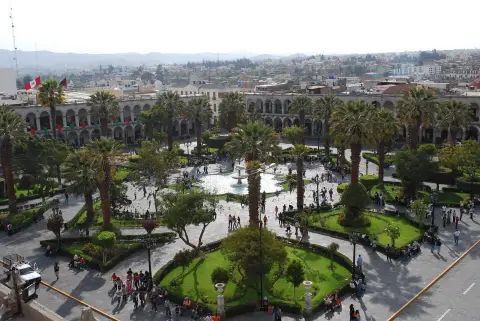
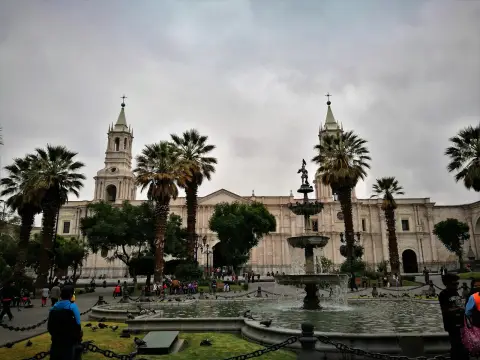
Tickets are bought at the museum, and prices, student discounts and the days of opening are set by the university, so check them locally. Do not buy through someone approaching you in the street. The museum is a few blocks from the Plaza de Armas, so it is easy to reach on foot, and the visit has little walking, though there are stairs and narrow spaces.
Accessibility is limited by the building, so ask about ground-floor options if mobility is an issue. Allow a little extra time for the tour and to read the panels. Common mistakes include arriving just before closing, expecting to photograph Juanita and underestimating the emotional effect on children.
What to combine nearby
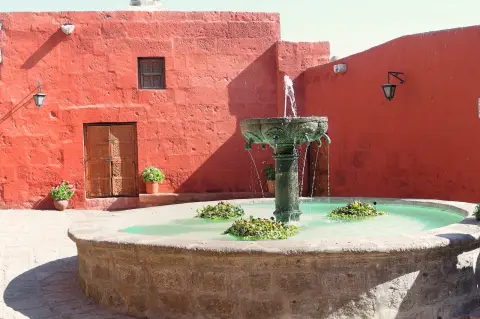
Because it is short and in the centre, the museum slots in before or after the Santa Catalina Monastery, which is a longer, more atmospheric visit. A tidy half day is museum first, the square for coffee, then the monastery. The things to do in Arequipa page offers more options.
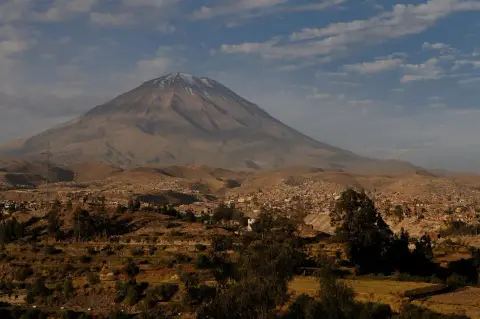
If the museum interests you, consider where the mountains are visible from. The volcano country around Arequipa and the Colca Canyon give a sense of the high terrain where these rites took place, although Ampato itself is a serious climb for experienced mountaineers and not a tourist outing.
Because Arequipa lies at roughly 2,330 m, the museum visit does not pose a high-altitude problem, but the altitude guide is useful before heading higher. For an easy end to the day, walk or take a taxi to Yanahuara for the view of El Misti.
Where to sleep
-
Find hotels
Plaza de Armas and historic centre
Colonial core within walking distance of the main sights
-
Find hotels
San Lázaro
Old narrow lanes close to the main square, with character and lower prices
-
Find hotels
Yanahuara
Residential quarter with views of the volcano and good restaurants
-
Find hotels
All of Arequipa
Compare every area and price level in one search
Frequently asked questions
Who was Juanita?
Juanita is the nickname of a young girl, generally described as aged around 12 to 15, whose frozen body was found on Ampato in 1995. She is thought to have been offered in an Inca ritual about 500 years ago.
How long does the Juanita Museum visit take?
About an hour, including the introductory film and the guided walk through the rooms. Waiting for the next group can add time, so go early.
Can I take photos in the Juanita Museum?
Photography is usually restricted, especially near the mummy, and flash is not allowed. Confirm the current rules at the entrance.
Is Juanita always on display?
Not necessarily. She is kept in a cooled case, and for conservation reasons she may be removed for periods, with another mummy shown instead. Ask before you buy a ticket if it matters to you.
Is the museum suitable for children?
It depends on the child. The topic is the sacrifice of children, and the display of mummified bodies can upset younger visitors. Many parents choose to skip it with small children.
What is the capacocha?
It was an Inca ceremony in which selected children were taken to sacred mountains and offered to the powers believed to live there. Chroniclers described it, and the finds on Ampato are generally linked to it, though details remain debated.
Can I visit the place where Juanita was found?
Ampato is a very high volcano of about 6,300 m, and climbing it is a mountaineering expedition, not a tourist outing. Most visitors see the finds in the museum and the surrounding mountains from lower viewpoints.
Is the Juanita Museum worth it?
It is worth it if you are interested in Inca religion and archaeology and are comfortable with the subject. If you have limited time in Arequipa, Santa Catalina is the more visual choice.