The essentials in Arequipa are the Santa Catalina monastery, the Plaza de Armas and cathedral, the viewpoint at Yanahuara, a lunch in a picantería and, if you have time, a visit to a textile workshop. Two days is enough for the city, with a third for a day trip.
The city also works as a base for the Colca Canyon and, for the fit, for climbing nearby volcanoes.
Santa Catalina and the centre
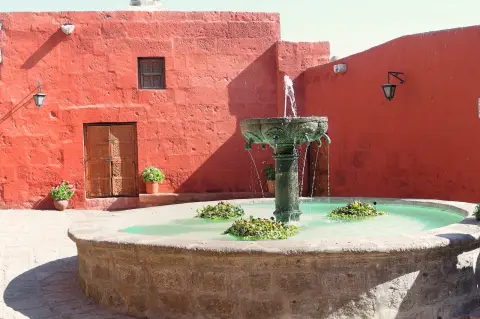
The Santa Catalina monastery is a walled town in miniature: coloured lanes, small cells, kitchens, courtyards and a cloister, built in the sixteenth century and closed to the outside for centuries. Give it at least two hours, and go early, or late in the day when guided groups have left. Some visits include a candlelit evening opening, which changes the mood completely, though arrangements vary.
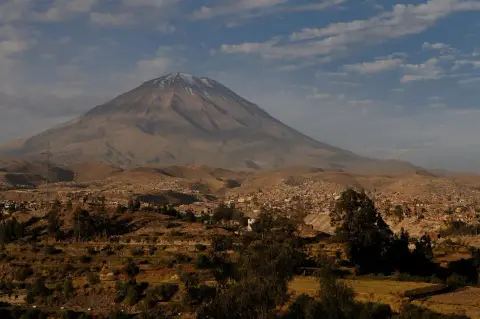
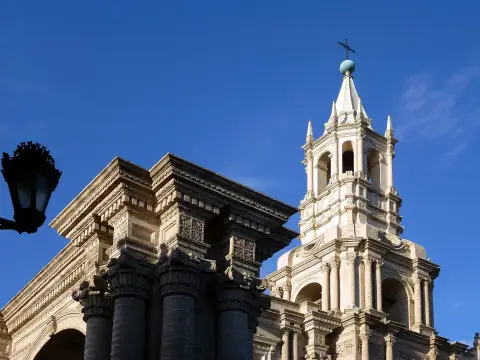
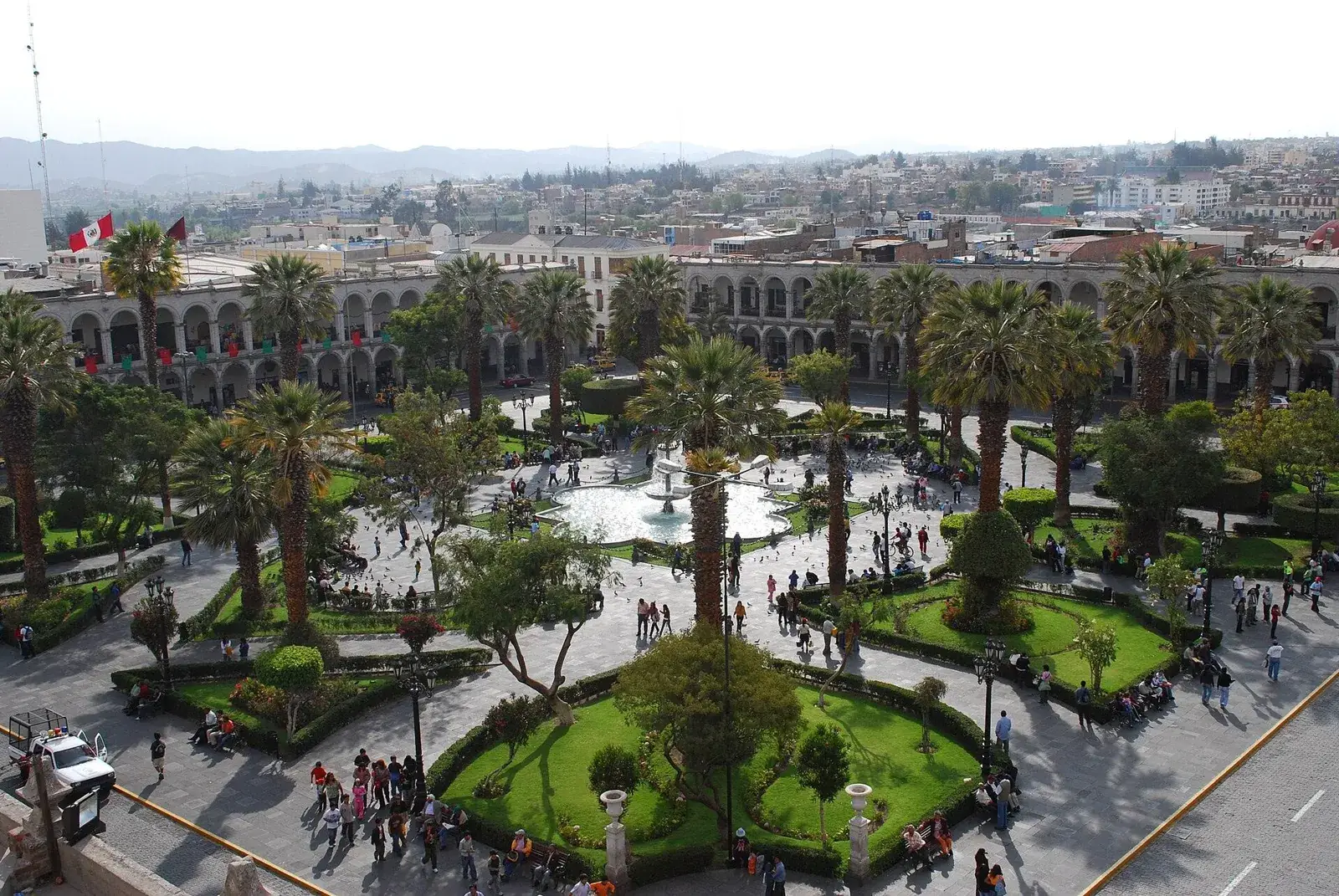
Around the Plaza de Armas, the cathedral takes up one full side. Climb to a rooftop terrace in the early evening for the view of Misti, the volcano that watches over the city.
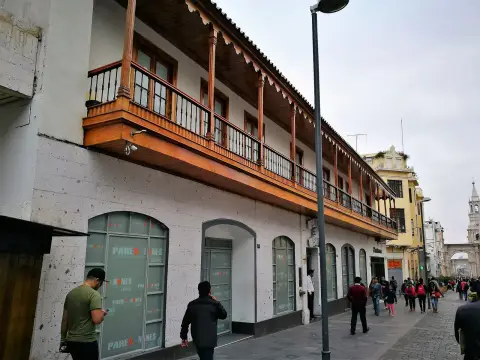
The arcades around the square are a pleasant place to sit with a coffee and watch the light change on the pale stone, and the plaza fills with locals in the evening.
Viewpoints and neighbourhoods
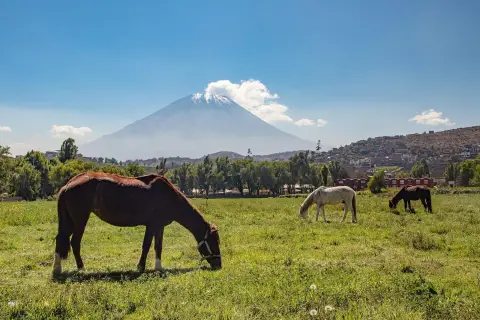
Walk or take a short taxi to Yanahuara, where a stone arcade frames Misti and its neighbours. The small church and plaza are pleasant, and the area has traditional restaurants. The bridge over the Chili river leads to quiet residential streets and, if you carry on, to farmland terraces still in use around the edge of the city.
Further out, a visit to a textile workshop or alpaca centre gives a look at the wool industry that shaped the region. Prices vary, and quality does too, so compare before buying.
For somewhere to sleep that puts these neighbourhoods within easy reach, see where to stay in Arequipa. The area north of the plaza, San Lázaro, is worth a short wander for its narrow lanes and small bars.
Tours and activities
Bookable online, chosen for their traveller reviews.
-
Day trip From €38 per person
-
Day trip From €16 per person
-
Day trip From €58 per person
-
From €9 per person
Food in Arequipa
Arequipa has its own cooking, centred on the picantería, a traditional restaurant serving lunch only. Dishes to look for include rocoto relleno, a stuffed hot pepper, adobo arequipeño, a pork stew traditionally eaten for breakfast, and ocopa, a potato dish with a green sauce. Ask how spicy a dish is before ordering, because the local chilli can surprise a first-time visitor.
Evenings are better for drinks and light bites. Several courtyards in the centre have been converted into relaxed cafés, a good place for a pause between sights.
See what to eat in Arequipa for the regional dishes and how to order them. Go for lunch rather than dinner if you want a picantería at its best, since many close in the late afternoon.
Beyond the city
The Colca Canyon is the most popular trip, usually done as a two- or three-day tour or an overnight with an early start. Closer in, you can see the Sabandía mill and the countryside villages, or take a long day hike or volcano climb with a guide if you are experienced and acclimatised. Climbing the nearby peaks requires proper preparation, and conditions change quickly, so rely on a qualified guide.
See tours from Arequipa for the main options and what to ask before paying. The road to the canyon climbs high, so travellers who have arrived straight from the coast should allow a day or two in town first.
How to plan two days
A sensible first day starts with Santa Catalina in the morning, followed by a long lunch and a slow walk around the plaza and the cathedral. Finish with sunset from a rooftop terrace. The second day can combine Yanahuara and the countryside terraces in the morning with a workshop or a cooking class in the afternoon.
If you have a third day, use it for a trip outside the city, or simply slow down. Arequipa suits unhurried exploring more than a checklist, and its pale-stone streets look best in the low light of morning and late afternoon. The question of whether to give the city time at all is discussed in is Arequipa worth visiting.
Weather, sun and altitude
Arequipa is dry and sunny for most of the year, with strong sun at about 2,300 m. Wear a hat and sun protection even when the air is cool, and carry water on walks. Evenings are cooler, particularly in the dry-season winter, so bring a warm layer.
Most people feel the altitude only mildly, if at all, but those arriving by air from the coast may notice a little breathlessness on slopes. Take the first afternoon slowly, as you would anywhere at height. For the wider region, see Arequipa.
Frequently asked questions
How long does Santa Catalina take to visit?
Plan at least two hours for a relaxed visit, more if you stop in the cafés inside.
What is a picantería?
A traditional Arequipa restaurant serving lunch and local dishes, often with spicy sauces and chicha.
Is two days in Arequipa enough?
Two days cover the main sights. Add days for the Colca Canyon or a volcano climb.
Is Arequipa good in the rainy season?
The city is drier than the highlands around it, but afternoon showers occur in the wet months and can affect trips to the canyon or the volcanoes. Check road conditions with your operator.
Can I climb Misti from Arequipa?
Experienced and well-acclimatised hikers can, with a guide, on a demanding multi-day route. Do not attempt it without proper preparation, because altitude and weather are serious risks.
What should I eat on my first day in Arequipa?
A picantería lunch of a local classic suits most visitors, though ask about the heat of the sauce. If your stomach is unsettled after a journey, start with a soup and build up.
Is Arequipa a good base for the Colca Canyon?
Yes, because tours and buses leave from the city, usually very early. Plan a night in town on the way back, and see Arequipa to Colca for transport details.