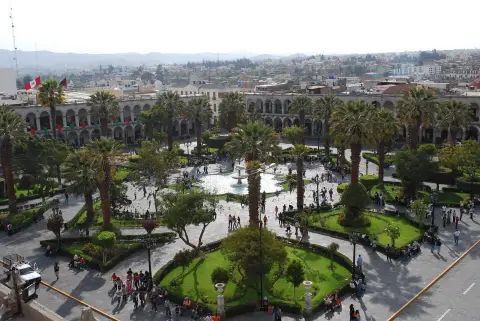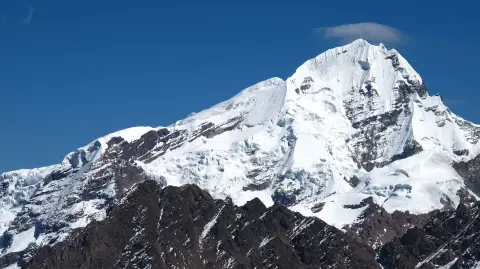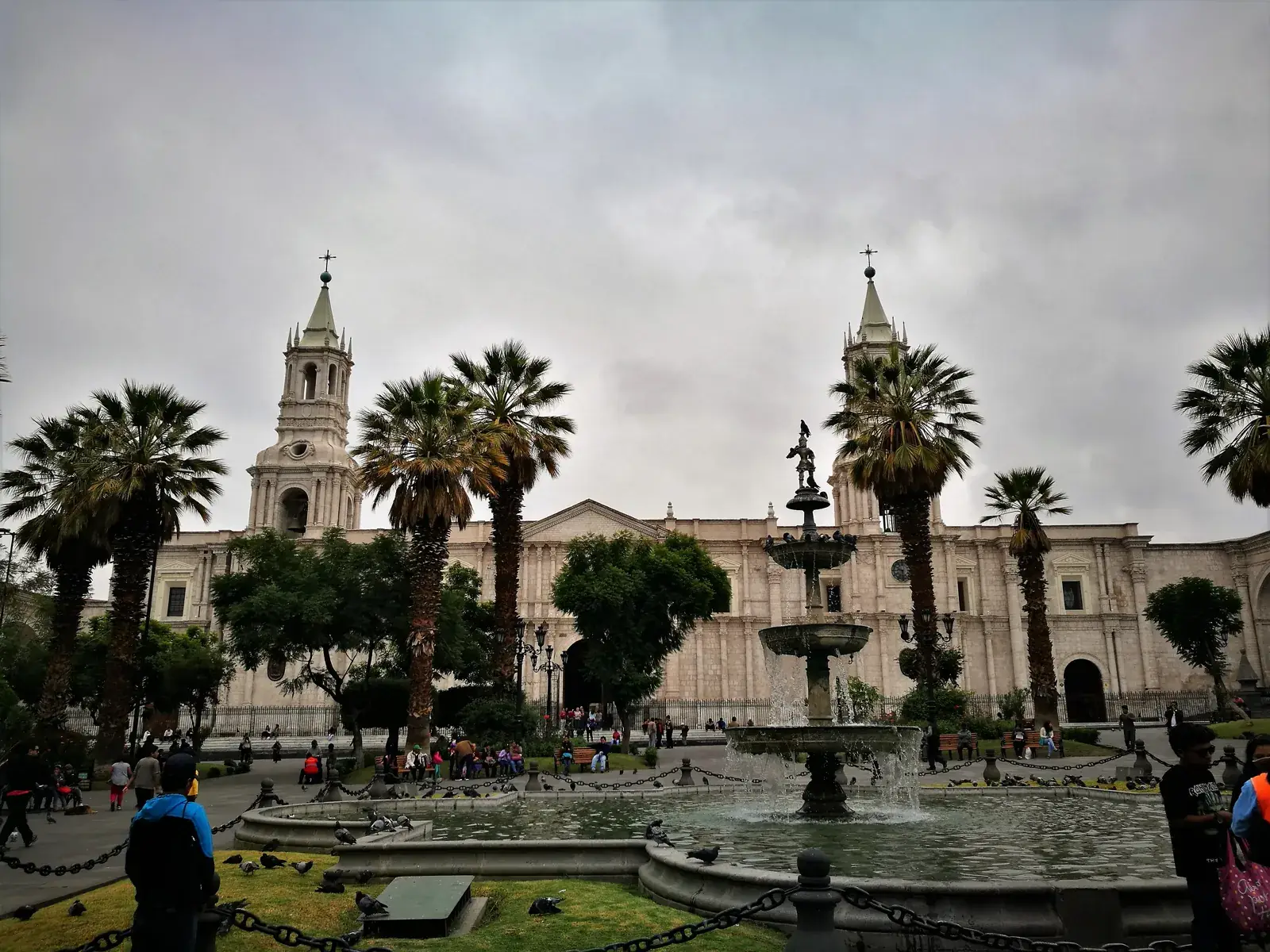
The Plaza de Armas is the main square of Arequipa, an open space lined with arcades of pale volcanic stone and closed on one side by a long cathedral. On clear days the cone of El Misti volcano stands behind the buildings. It is free to enter, needs only an hour or so for a relaxed look, and is at its best in the late afternoon and early evening.
The Jesuit church of La Compañía is a few steps away, and Santa Catalina is a short walk. Most visitors pass through the square several times during a stay, so treat it as a base for the day as well as a sight.
Map
What the square is and why it matters
The Plaza de Armas is the formal heart of Arequipa, the place where the colonial city was laid out after its foundation by the Spanish in 1540. Like most Spanish colonial towns, it began as a grid of streets around a central square, with the main church, the town council and the homes of leading families facing the open space. Today it is still the centre of civic life: people meet here, couples sit on benches, and parades and festivals pass through.
Arequipa stands at about 2,330 m, high enough to feel the thin air slightly but much lower than Cusco, and the square sits in a dry, sunny valley where the sky is often a deep blue. The historic centre of the city is on the UNESCO World Heritage list, and the Plaza de Armas is the best place to understand why: stone buildings of one material and one scale, arranged around a single open space with a fountain and palm trees.
It is also the simplest orientation point in the city, so most walks begin and end here.
Sillar and the White City
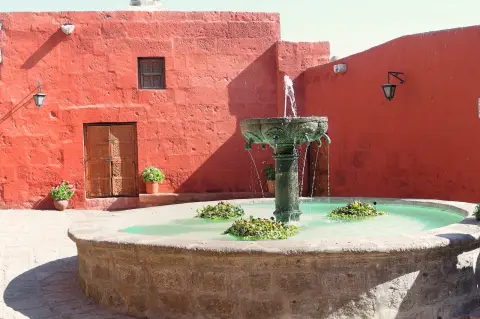
Arequipa's nickname, the Ciudad Blanca or White City, comes from sillar, a pale volcanic stone used for much of the old centre. Sillar is formed from volcanic ash that hardened into a soft, light rock, and it is easy to cut, which made it popular with colonial builders. Its colour ranges from a dazzling white in bright light to a warm cream, and some buildings look pink or grey depending on the hour.
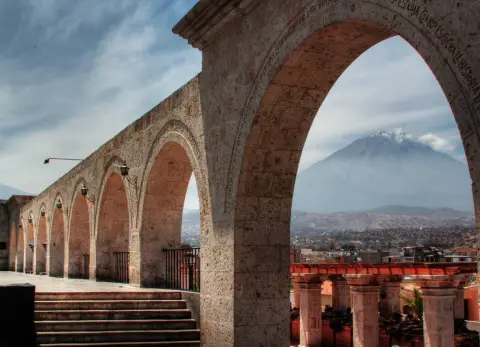
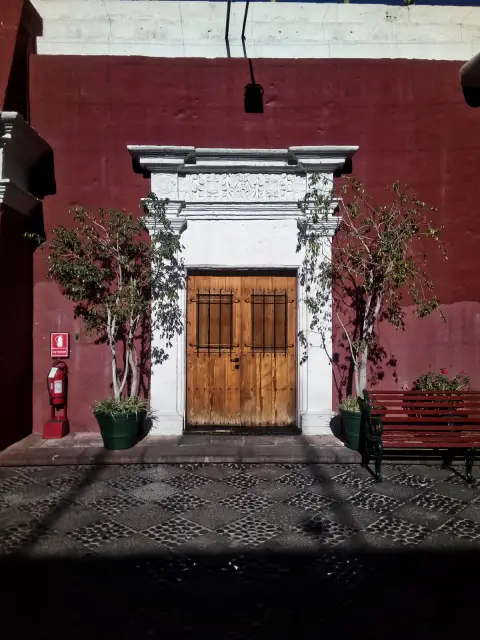
The stone is also the reason for the smooth, sculpted look of arches, vaults and carved doorways in Arequipa. The material is porous and light, which suited a region of earthquakes, though many buildings have been damaged and rebuilt over the centuries. Sillar is quarried near the city, and traditional quarries are still worked.
The White City label is partly a matter of marketing, because not every building is white, but it is a useful way of reading the streets: look for the pale stone, the thick walls and the deep window recesses that give the centre its character.
Tours and activities
Bookable online, chosen for their traveller reviews.
-
Day trip From €38 per person
-
Day trip From €16 per person
-
Day trip From €58 per person
-
From €9 per person
The cathedral and the arcades
The cathedral runs along the whole northeastern side of the square, which makes it unusual: most colonial cathedrals face a square from one end, while this one is a long frontage with towers and a colonnade. It has been damaged by fires and earthquakes and rebuilt more than once, and the present building is usually dated to the 19th century. Opening hours and any charge for visiting vary with services, so check on the day.
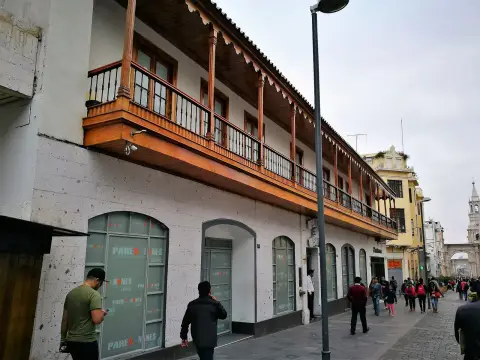
The other three sides of the square are lined with portales, arcades of rounded arches at street level, with two storeys of buildings above. These arcades give shade at midday and shelter from the occasional rain, and they hold shops, cafés and restaurants. Many restaurants on the upper floors have balconies that overlook the square, and these are a popular place to sit with a drink and watch the light change.
Choose a table by looking at the menu and the prices rather than by the view alone, since views are priced into the bill in the most obvious places.
La Compañía and El Misti
A few steps from the square stands La Compañía, the Jesuit church, whose stone facade is one of the most admired in the city. It is generally dated to the 17th century and is covered in carved detail that blends European baroque forms with local motifs, a style often called mestizo baroque. The interior has a richly decorated altar, and a cloister next door has been turned into shops and cafés. Opening hours and any entry charge change, so check on arrival.
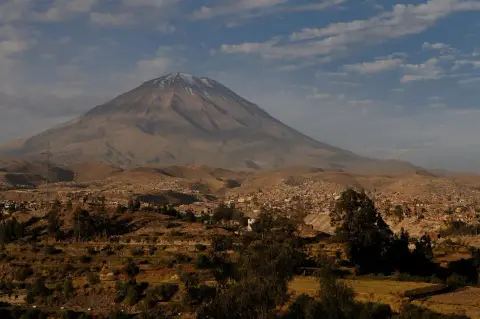
The other view that defines the square is El Misti, the symmetrical volcano that rises to about 5,800 m behind the rooftops. On clear mornings, and often in the evening, the cone is visible from the open space or from the upper balconies and terraces around it. Cloud sometimes hides it, particularly in the wetter months, so do not count on a perfect view.
El Misti is considered active, though it has been quiet for a long time, and it shapes how locals think about the city. See the Arequipa overview for context.
Best time to visit, and evenings
Go twice if you can: once in the morning, when the light is clean and the square is quiet, and once at dusk, when the arches are lit and the plaza fills with people. Evening is when Arequipa feels most alive, with families strolling, musicians in the arcades and restaurants busy upstairs. The best months for clear skies are generally the dry months, roughly May to September, while the rainy season brings afternoon cloud, as explained in the weather by region page.
The square is walkable and flat, so it suits all ages, and it takes only a short time to circle. Allow an hour for a leisurely loop, including a drink on a balcony, and more if you add the cathedral and La Compañía.
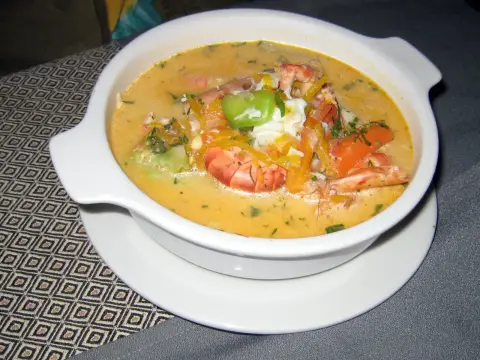
Lingering in the evening pairs well with the local food described in what to eat in Arequipa, since many typical dishes can be found within a few blocks of the square.
Where the square fits in a day
Because the square is central, it works as the fixed point of a day on foot. A simple plan is a morning at Santa Catalina Monastery, a stop at the square for a drink or lunch, an afternoon visit to the nearby Juanita Museum and a late taxi to the viewpoint at Yanahuara for the sunset. The streets between these places are mostly flat and easy to walk.
Between sights, the arcades are a convenient place to rest, and the surrounding blocks contain cafés, souvenir shops and small bakeries. Prices near the square are usually higher than a few blocks away, so walk a little if you are looking for a cheaper meal. A first evening here, before any early start for the Colca Canyon or other excursions, is a pleasant way to settle into the city.
Churches in the area keep their own opening hours and often close at midday, so check the times before building a route around them.
Safety, accessibility and common mistakes
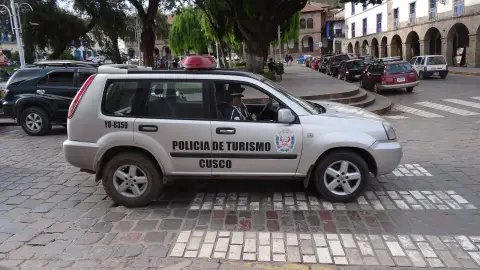
The square is generally comfortable, with police and tourists around, but the usual urban care applies. Keep phones and bags close in crowds, be cautious with anyone who approaches you with a tour offer or a "free" item and use official taxis or a booked ride at night. The safety guide covers the general approach.
For people with limited mobility, the square is flat and paved, though the cathedral and church may have steps, and the pavements in surrounding streets can be uneven. Wheelchair users should ask about access at each building.
The most common mistakes are confusing the square with a full day of sightseeing, since it is a starting point, and arriving by air without allowing for the altitude. Arequipa is far lower than Cusco, but a day to adjust is still sensible, as the altitude guide explains. Do not miss the nearby Santa Catalina Monastery while you are here.
Where to sleep
-
Find hotels
Plaza de Armas and historic centre
Colonial core within walking distance of the main sights
-
Find hotels
San Lázaro
Old narrow lanes close to the main square, with character and lower prices
-
Find hotels
Yanahuara
Residential quarter with views of the volcano and good restaurants
-
Find hotels
All of Arequipa
Compare every area and price level in one search
Frequently asked questions
What is sillar and why is Arequipa called the White City?
Sillar is a pale volcanic stone made of hardened ash, which is soft enough to carve. It was used for much of the colonial centre, giving Arequipa its Ciudad Blanca nickname, although the stone can look cream or pink at different times of day.
How long should I spend at the Plaza de Armas?
About an hour is enough for a loop, a look at the cathedral and a drink on a balcony. Add time if you want to enter La Compañía or to visit twice, once by day and once at night.
Can I see El Misti from the Plaza de Armas?
Often yes, particularly in the morning and in the dry season, when the sky is clear. Cloud sometimes hides the peak, so a view from the square or from an upper terrace is never guaranteed.
Is the Arequipa cathedral open to visitors?
It is open for worship and, at times, for visits, but hours and any charge depend on services and may change. Check the current schedule on the day, and dress modestly.
Is the Plaza de Armas safe at night?
It is generally busy and comfortable in the evening, with many people around. Take normal care with bags and phones, and use a taxi rather than walking through quiet side streets late.
What is La Compañía and is it worth a visit?
It is a Jesuit church just off the square, known for its richly carved stone facade in mestizo baroque style. It is worth a short stop even if you only look at the outside.
Where should I eat near the Plaza de Armas?
The arcades and upper-floor balconies hold many restaurants, and the views cost more than the food in some cases. Walk a block or two for local places, and see what to eat in Arequipa.
What can I combine with the Plaza de Armas?
Santa Catalina Monastery is a short walk away, and the Juanita Museum is a few blocks from the square. In the late afternoon, many visitors head to Yanahuara for sunset and a view of the volcano.