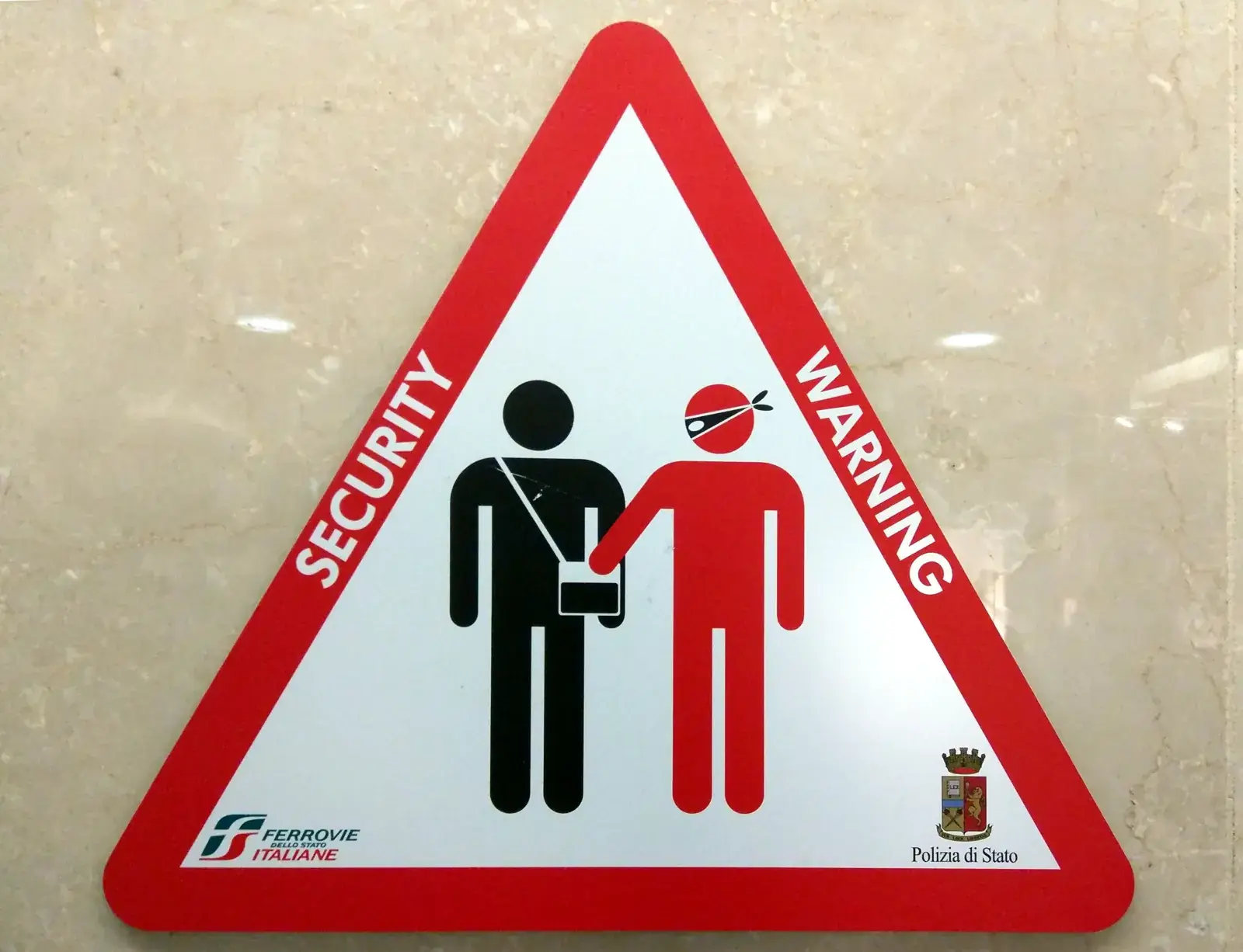
Most scams in Peru are small and predictable: inflated taxi fares, distraction thefts, fake officials, tour touts and short-changing. A few habits cover most of them: agree prices first, use ride-hailing or hotel-arranged transport, book tours through established operators and keep your valuables out of sight. Stay calm and polite; most problems are cheaper to walk away from.
Taxis and transport
The most frequent problem is a taxi fare agreed late or not at all. Most taxis in Peru do not use meters, so settle the price before getting in. Ride-hailing apps remove the negotiation, and hotels will arrange trusted drivers. At airports and bus terminals, go to the official taxi desk rather than accepting offers from people approaching you. For the options, see taxis and apps.
Some travellers are told that a hotel is closed, full or dangerous, with the aim of taking them to a different one that pays a commission. If you have a booking, call the hotel to check. A similar trick is offered by touts at bus stations who claim your bus has been cancelled.
Theft and distraction
A stranger spills something on you, or points out a stain, while a second person takes your bag. Someone asks for directions with a map open while another lifts your phone. A bag is slit or taken from under a chair in a bus station or restaurant. The common thread is a distraction and a crowded place.
Keep phones out of your hands near road edges, wear bags in front in crowds, and loop a strap round your leg on the floor. If something odd happens to you, check your belongings first and the stain afterwards. Markets, bus terminals and the streets around the main plazas in Cusco and Lima are where these tricks are most often reported.
Fake officials and counterfeit money
Fake police or inspectors may ask to see your passport or cash, or try to take you to a nearby office. Real officers can ask for identification, but you can ask to go to a police station or to call the tourist police. Never hand over your wallet.
Counterfeit notes are occasionally passed in change, especially in taxis and with street changers. Look at larger notes before accepting them, and use banks and exchange offices. For how to check notes and what to do with damaged ones, see money.
Tours, tickets and sellers
Touts around Cusco and Lima may offer very cheap tours or tickets for sites with fixed entry systems. Book through established operators, check what is included and ask to see an invoice or booking. Official tickets for Machu Picchu are issued through the official system and not by street sellers; see tickets for the process.
Friendly offers to photograph a child, hold an animal or give a bracelet are often followed by a request for payment. A polite no is enough. Be aware that not every approach is a scam: most people who talk to travellers are simply friendly or selling a legitimate product.
Trek and tour agency traps
Very low prices for multi-day treks usually mean that something is being cut: group sizes, safety equipment, porter welfare or food. A common complaint is a bait-and-switch, where the itinerary, hotel or train class differs from what was promised. Ask for the details in writing, get a receipt and check reviews from several independent sources.
For the questions to ask, see choosing an agency. Be careful with deposits paid in cash to people on the street, and do not hand over your passport to anyone who is not a registered agency, because some agencies need your details for permits but should handle them securely.
ATMs, cards and online booking scams
Use cash machines inside banks or shopping centres, cover the keypad and check the machine for loose parts, extra devices or odd slots. If a machine keeps your card, call your bank immediately rather than accepting help from strangers. Keep an eye on your card in restaurants.
Online, be wary of unofficial sites that sell Machu Picchu tickets, train seats or tours at inflated prices, and of messages that ask you to pay by transfer to a personal account. Check the web address, pay by card where you have protection and keep every confirmation. Public Wi-Fi is a poor place to enter card details; see the SIM and eSIM for alternatives.
What to do if it happens
Do not chase or confront a thief; belongings can be replaced. Move to a safe, public place, then report the theft at the nearest police or tourist police station, since insurers normally need a police report. Block cards at once, and use your phone's remote lock. Contact your embassy if your passport was taken.
Keep a note of your insurer's emergency number and the emergency contacts in more than one place. Your travel insurance should specify limits for stolen items, and often requires you to report within a set time, so read it before you go.
Frequently asked questions
Are Peruvian taxis safe?
Registered taxis and ride-hailing apps are widely used, but agree the price first and avoid hailing cars late at night.
What should I do if I am robbed?
Do not resist, go to a safe place, report the theft to the police or tourist police for your insurer, and call your bank if cards were taken.
Is it rude to refuse sellers?
No. A friendly, firm no thank you is normal and understood.
How can I spot a fake police officer?
Be wary of anyone in plain clothes or an unmarked car asking for your wallet or passport. Offer to go to a police station together or call the tourist police yourself.
Is it safe to book Machu Picchu tickets online?
Yes, if you use the official system or an established operator. Check the web address, avoid unofficial resellers with unclear prices and keep your booking confirmation.
Do hotels really close or fill up when a driver says so?
Almost never. Call the hotel yourself or message it before accepting a change, since the claim is often a way to earn a commission.
Should I carry my passport everywhere?
A photocopy or a photo of the main page is usually enough on ordinary days, and the original can stay in the hotel safe. Carry the passport when you need it for a train, a border or a bank.