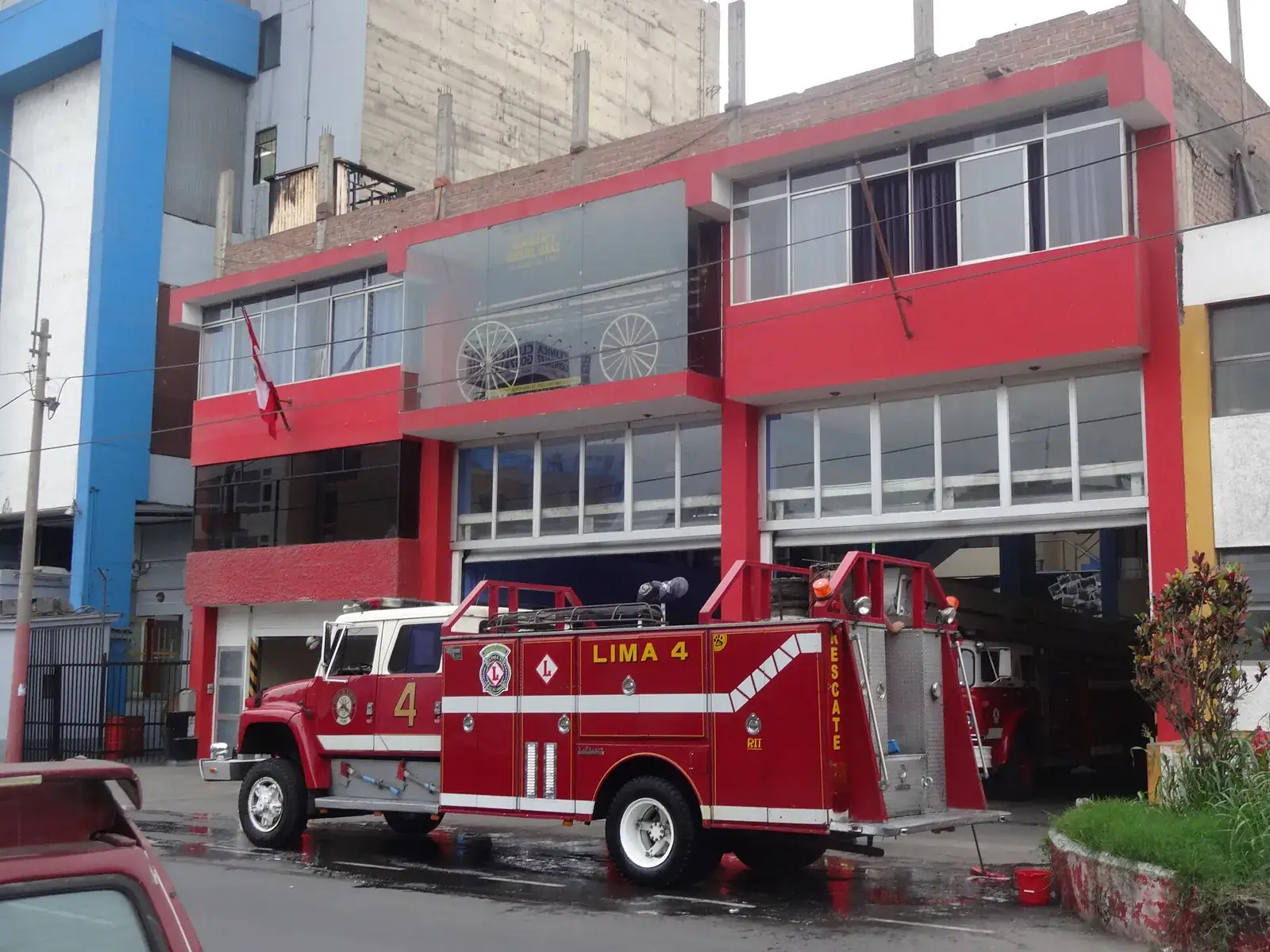
The national emergency numbers commonly listed for Peru are 105 for the police, 106 for ambulance services and 116 for the fire brigade. Not every region answers equally well, so save them with your insurer's assistance line and your embassy's contact details.
Numbers to save
Police: 105. Ambulance and medical emergency: 106. Fire brigade: 116. These are the numbers generally cited for national services. In some cities, local security patrols (serenazgo) have their own lines, and your hotel will know them.
The tourist police operate in the main tourist cities and can help you file a report for theft, which your insurer will usually need. There is also an official tourist information and assistance service. Ask your hotel for the current contact details instead of relying on a number from an old guide.
Keep a card with your hotel name and address in Spanish, your blood group and allergies, your insurer's 24-hour number and your embassy's contacts.
What to do in common situations
Robbery or lost belongings (see scams for the usual tricks): go somewhere safe, report it at a police station or to the tourist police, and ask for a copy of the report. Cancel cards immediately through your bank.
Lost passport: report it to the police and contact your embassy or consulate, which can issue an emergency document. Bring a copy of the passport page and photographs if possible.
Medical problem: in cities, private clinics treat visitors and often accept insurance guarantees, but call your insurer's assistance line first where you can. In remote areas, tell your guide or lodge at once; they know the evacuation options.
Natural events: in an earthquake, follow the hotel's instructions and signs. After a landslide or flood, do not attempt to cross affected roads.
Before you leave home
Spend ten minutes on preparation. Write down the address of your hotel in each city and keep a screenshot of it. Share your itinerary and your insurer's policy number with someone at home. Check whether your embassy or foreign ministry offers a service for registering travellers. Save the local numbers in your phone with the country code, and keep a paper copy in case your phone is lost or its battery fails. See safety for the habits that prevent most problems. If you take regular medication, carry a short note in English and Spanish naming it and the condition it treats.
For the documents to copy, see entry requirements, and for why the assistance number matters, travel insurance.
Getting help in Spanish
Emergency operators may not speak English, particularly outside Lima and Cusco. Learn four short phrases: help, I need a doctor, I have been robbed and I have lost my passport. See Spanish phrases for pronunciation notes. Write the address of your location, even a rough one, and say it slowly. If you cannot be understood, ask a hotel receptionist, a shopkeeper or a guide to speak on your behalf.
Translation apps help in a quiet room but are unreliable on a bad line or in an emergency, so memorise a short script. In an accident in the mountains, a guide can call local rescue services and knows the nearest clinic, so tell your guide first.
Medical emergencies and altitude
For breathing problems, severe headache, confusion or loss of balance at altitude, descend and seek care urgently; see altitude for the warning signs. In Cusco, Lima and other large cities, private clinics are used to foreign patients, and your insurer can recommend a facility. Hospitals in smaller towns have limited resources, so evacuation may be the best option.
Do not wait for a worsening condition to call your insurer: the assistance line can advise, approve treatment and arrange transport. Keep a note of your allergies, regular medication and blood group in Spanish. See health and vaccines for wider topics for your doctor.
Disasters, strikes and travelling in remote areas
In a major earthquake, drop, cover and hold on, then follow the hotel evacuation plan once the shaking stops. Coastal visitors should move inland and uphill if instructed to evacuate after a strong tremor, and should follow local authorities rather than waiting for social media.
During strikes and road closures, contact your operator and see strikes and blockades. In remote areas, tell someone your plan, carry a charged phone and power bank, and agree what to do if you are late. A phone with a local SIM can reach emergency numbers more reliably than a roaming plan, as explained in SIM.
Frequently asked questions
Will the operator speak English?
Do not count on it. Learn the Spanish for your location and what has happened, or ask someone nearby to help.
Which embassy do I contact?
The one for your passport, usually in Lima. Find its details before you travel.
Can I call the emergency numbers from a foreign SIM?
Generally yes, but check with your operator.
What do I do if my passport is stolen?
Report it to the police, then contact your embassy or consulate for an emergency travel document. Copies of the passport and extra photographs make the process quicker.
Is there a tourist police office in Cusco?
The tourist police operate in the main tourist cities, but the exact address and hours change. Ask your hotel for the current location before you need it.
Who pays for an ambulance?
It depends on the service and your insurance. Some private ambulances charge on the spot, so call the insurer's assistance line and keep every receipt.
Should I register with my embassy?
Some governments offer a free registration service for travellers abroad. It can help officials contact you in a crisis, so ask your own foreign ministry whether it does.