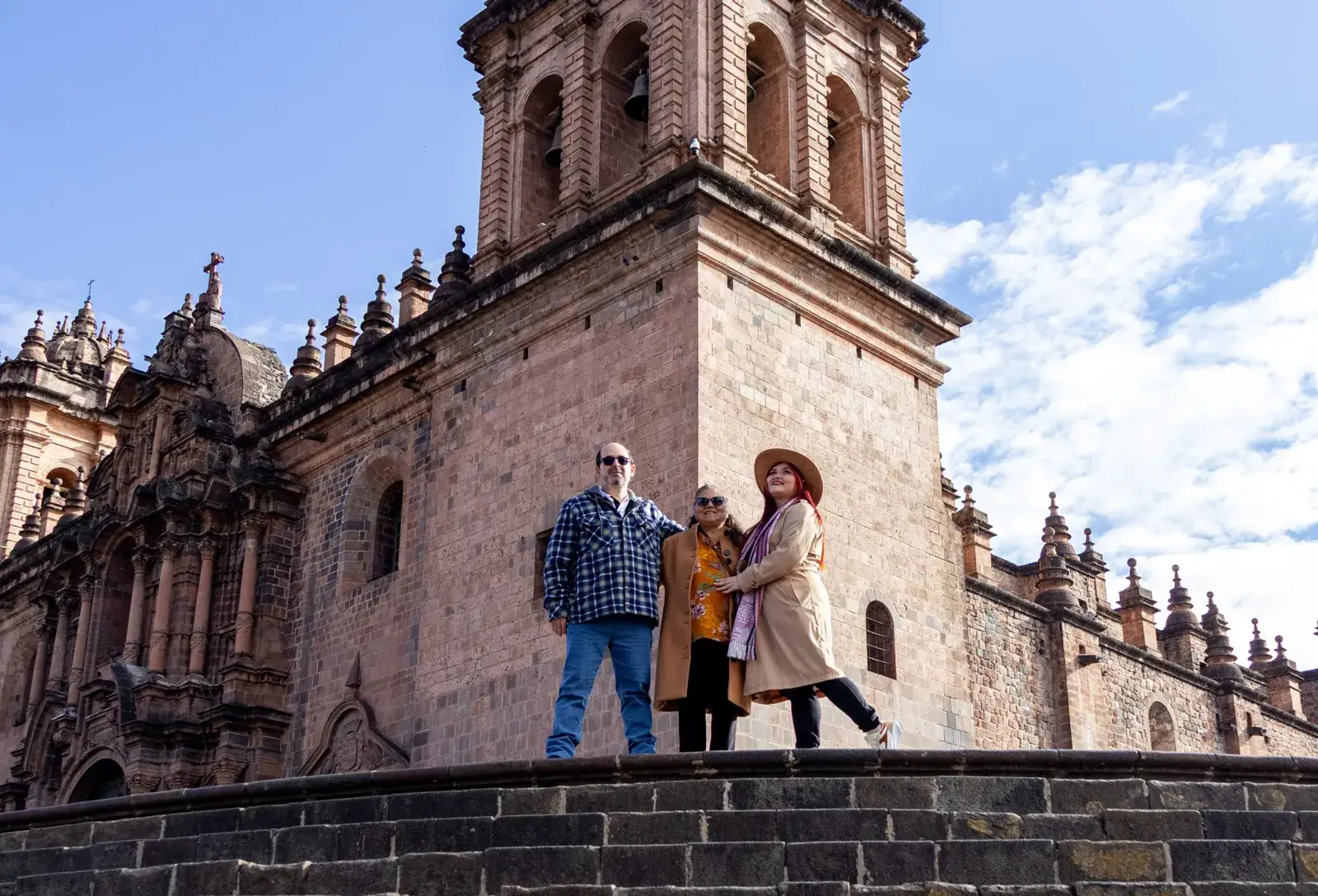
Peru is a rewarding trip for older travellers if the plan is built around comfort and gradual altitude. Start in the lower Sacred Valley, keep a gentle pace, choose hotels with lifts and good heating, use private transfers where it helps, and save strenuous days for later in the trip. See a doctor before booking, as altitude affects people differently and this is general guidance only.
Go up slowly
The most useful single choice is the order of the route. Flying from Lima straight to Cusco is a big jump in altitude in under two hours. A gentler plan begins in the Sacred Valley, which is lower, then moves to Cusco after a couple of nights. Keep the first day free of activity, drink water, eat lightly and avoid alcohol until you feel well. Machu Picchu is lower than Cusco, so many people feel more comfortable there than they expected.
Build rest days into the schedule, and treat any day with stairs, steep paths or a long walk as the main event of that day, not an add-on. For the general pattern of symptoms, see altitude sickness, and altitude at Machu Picchu shows how the site compares with Cusco.
Comfort and logistics
Choose hotels with lifts or ground-floor rooms, reliable hot water and heating, and ideally a central location so that you can walk short distances. Private transfers cost more than shared buses but reduce stress at airports and on mountain roads. Domestic flights save long overland days, but allow generous connection times, as delays are common.
At Machu Picchu the site has many steps and uneven stone paths. Walking sticks can help, a guide can set an unhurried pace, and some circuits are shorter and flatter than others. See accessibility for details on sticks and bags.
Pacing the days
A comfortable rhythm is one main activity in the morning, a long lunch and a rest in the afternoon. Mornings are usually clearer and cooler at altitude, and the energy that older travellers bring to the early hours is best spent on the day's main sight. Evenings are cold in the highlands, so dinner indoors with heating is more pleasant than a late stroll.
Avoid back-to-back early starts. If a day includes a train or a long drive, leave the next morning free. A spare day before the flight home protects against delays, and a slow final day in Lima is a gentle way to end the trip, with restaurants, museums and seafront walks at sea level.
Choosing between a tour and independence
Many older travellers prefer an organised small-group or private tour, because transport, hotels and tickets are arranged and a guide handles the pace. Others travel independently with a few booked elements. Either works, but a tailored plan with a private guide and driver gives the most control over speed and rest.
Check what is included and the demands of each activity, and avoid itineraries that stack early starts. Tours that quote a single price for a fixed itinerary may pack in more than you want. For higher-end private options, see luxury travel, and for a relaxed pace for two, couples.
Insurance, medicines and timing
Travel insurance that covers pre-existing conditions, medical care at altitude and evacuation matters more with age, so read the policy carefully; see travel insurance to understand what to check. Carry medicines in the original packaging with a list of generic names, and pack more than you need. The dry season, roughly May to September, brings clearer weather but very cold nights, while the shoulder months of April, May, September and October balance weather and crowds.
Ask your doctor about vaccines and about how existing medicines behave at altitude. See health and vaccines for general information only.
Walking, stairs and terrain
Cobbled streets, steep steps and uneven stone are common in Cusco, the Sacred Valley and at archaeological sites. Comfortable shoes with a good grip matter more than any other item, and a light walking stick can reduce strain on knees and hips. Some sites, such as the Larco Museum in Lima, are flatter and easier than others.
Ask your hotel or guide about the terrain before each outing, and choose sights with benches and shade. See Sacred Valley to understand which villages are easy to visit. See Machu Picchu circuits for routes of different lengths.
Who this suits
Peru is within reach of most healthy older travellers who plan sensibly. It suits people who enjoy history, food and scenery at an easy pace, and who accept that altitude may slow them down. It suits less well anyone who needs a very fast schedule or who cannot manage stairs and uneven ground at all.
If you have any doubt, discuss the route with a doctor and a tour operator who can adjust it. A lower, shorter itinerary built on Lima, the Sacred Valley and Machu Picchu is a good option, and the first-timers route describes the main shape.
Frequently asked questions
Is Cusco too high for older travellers?
Many older people visit successfully with gradual acclimatisation, but it depends on health. Talk to your doctor before booking.
Can I visit Machu Picchu if I cannot walk far?
Yes, with a slow pace and a shorter route, but the site has steps and uneven paths. Check the accessibility information.
Should I fly into Cusco?
It is a fast option but a sudden altitude jump. Many prefer to begin in the lower Sacred Valley.
Is altitude medication a good idea?
That is a question for your doctor, who knows your health and other medicines. Do not start any medication without medical advice.
What is the best time of year for older travellers?
April, May, September and October balance dry weather and fewer crowds. Very cold nights in June to August can be harder, while the rainy season brings mud and slippery steps.
Are there lifts and ramps at hotels and sites?
Many hotels have lifts, but historic buildings and archaeological sites often do not. Ask each hotel directly and check access details for sites before you go.
Is a private guide worth it?
For many older travellers yes, because the guide sets the pace and can adapt the day. Compare the cost with a small group tour and ask what is included.