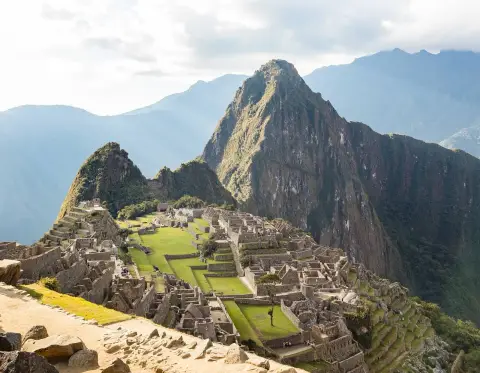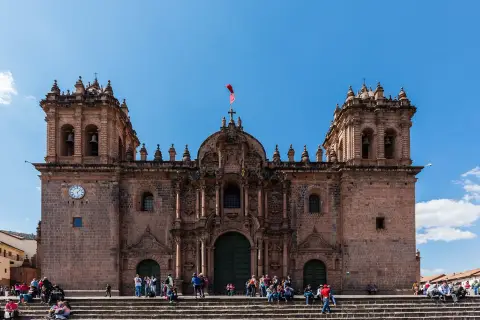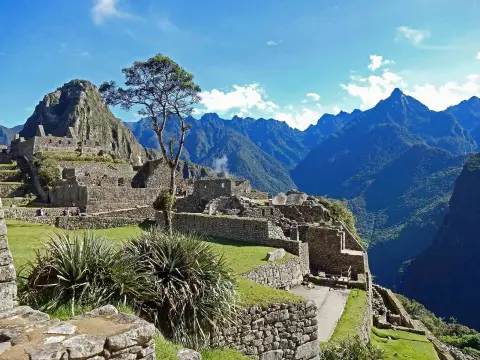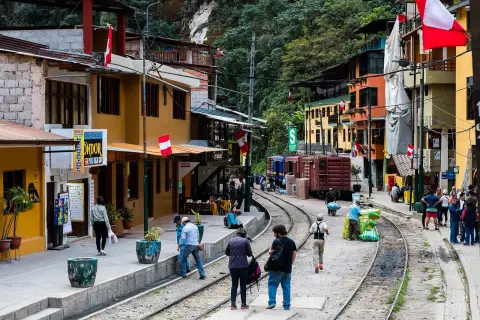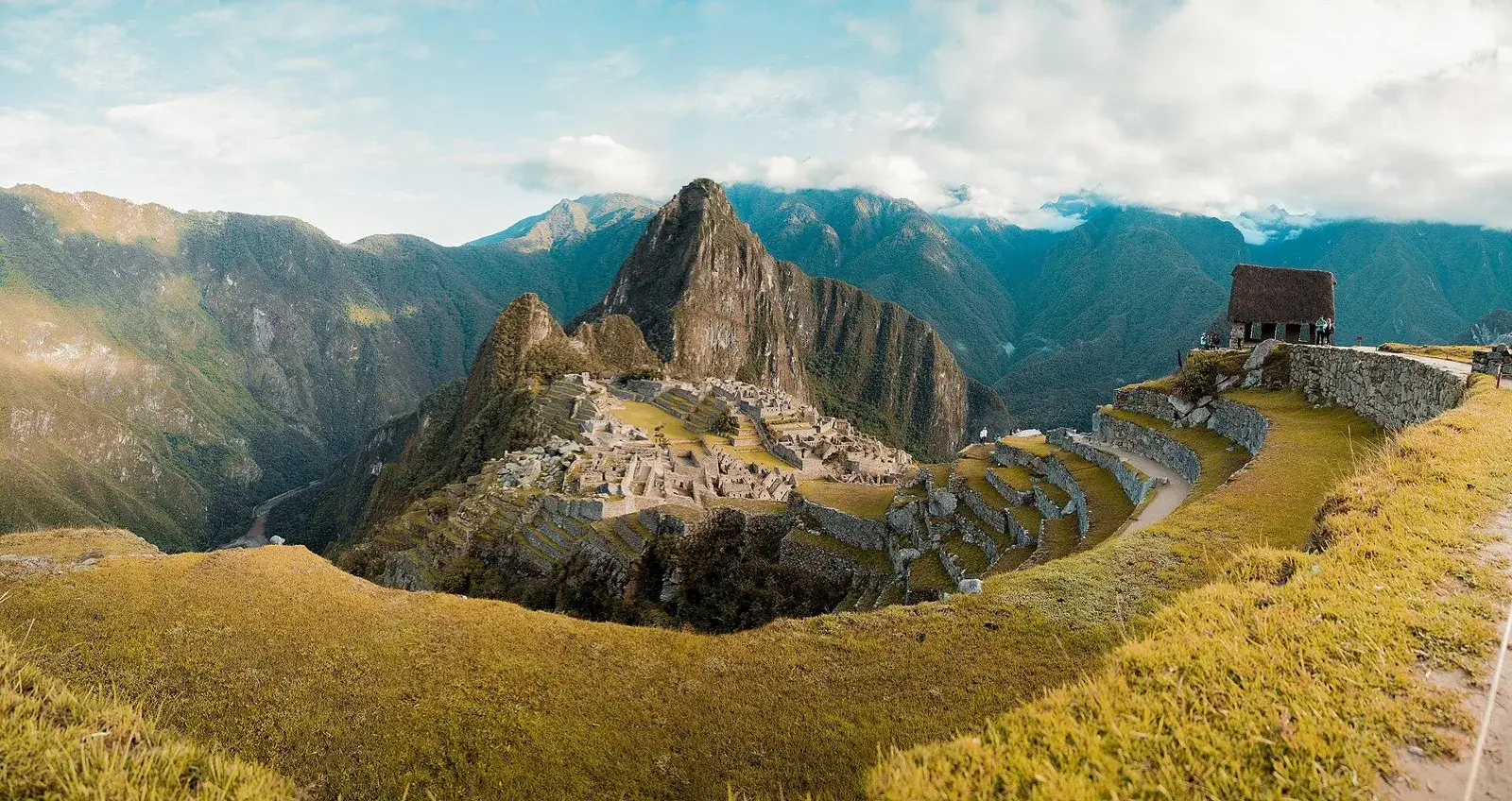
Machu Picchu stands at about 2,430 m, well below Cusco at about 3,400 m, and Aguas Calientes sits lower still at roughly 2,040 m. Most visitors find the ruins easier on the body than the old capital, but the climbs and steps still make you breathe harder than at sea level.
Altitude affects people unpredictably, so this is general and a doctor is the right person for personal advice.
The numbers in context
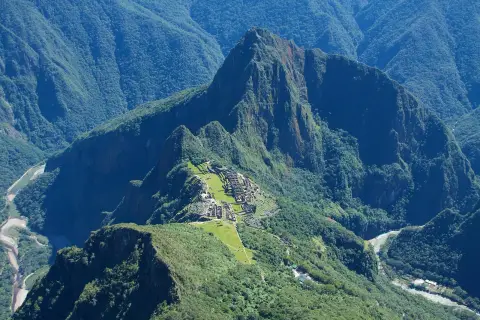
Think of the region as a staircase. Cusco, at about 3,400 m, is the high point of most itineraries. The Sacred Valley floor, with Urubamba and Ollantaytambo, is roughly 2,800 to 2,900 m. Machu Picchu is about 2,430 m, and Aguas Calientes about 2,040 m. The two climbs above the ruins reach roughly 2,720 m and 3,082 m. Going from Cusco down to the ruins therefore means losing altitude, which is why the descent usually brings relief.
Lima, by contrast, is at sea level, so travellers who fly in from the coast gain more than three thousand metres in a short time when they land in Cusco. That jump, not the visit to the ruins, is what causes most altitude trouble on this route.
Why the order matters
Visitors who fly into Cusco from the coast and head straight to Machu Picchu next day have the best chance of arriving rested at a lower height. Those who do Machu Picchu first and Cusco afterwards may find the city harder, because they return to the altitude after being low. Neither order is wrong, but it helps to know the profile. If you are sensitive, sleeping in the Sacred Valley first, then Machu Picchu, then Cusco is a common compromise.
The compromise works because the valley is nearly 600 m lower than Cusco, which gives the body a gentler start. It also fits the rail geography, since the trains leave from the valley. Where to stay for Machu Picchu compares the main bases, and how many days to allow shows how to leave room for a slow start.
Tours and activities
Bookable online, chosen for their traveller reviews.
-
★ Top rated From €49 per person
Machu Picchu
Machu Picchu Entry Ticket for Circuit 1, 2 or 3
-
★ Top rated From €23 per person
-
From €178 per person
Machu Picchu
Private Machu Picchu Tour with Guide, Entry and Bus
-
★ Top rated From €22 per person
What you may notice at the site
The ruins involve stairs, slopes and exposed paths, so you may notice your breathing and heart rate more than expected, particularly on the way up to the upper terraces or on the climbs. Warm, humid air can add to the feeling of fatigue. Most people find that walking slowly, drinking water and resting on the terraces are enough to manage it.
The main difference from Cusco is that sleep and appetite tend to be better, and headaches less common, at the lower height. Some visitors who felt unwell in the city feel markedly better after the first night in the valley or in Aguas Calientes. Still, a tired traveller who has arrived late, skipped meals and slept badly can feel weak even at 2,430 m, so treat the visit as a physical day and prepare for it.
The climbs and the altitude
The two mountains reach about 2,720 m (Huayna Picchu) and about 3,082 m (Machu Picchu Mountain). The first is only some 300 m above the ruins, but the effort is concentrated in steep steps. The second is roughly 650 m above the ruins, and the summit is close to the height of Cusco, though you arrive there after a long ascent.
For these climbs the main problem is exertion, not thin air alone, but both interact. A poor night, dehydration and heat make the climb harder, and a gentle pace is the best protection. See Huayna Picchu and Machu Picchu Mountain for the route details, and ask a doctor if you have any condition that could be affected. If you feel dizzy, confused or unusually breathless, stop and tell your guide.
Sensible habits
Keep the first day in Cusco gentle, drink water, eat lightly and avoid alcohol until you feel settled. Travel insurance that covers altitude-related care is a good idea. Local remedies such as coca tea are widely used, though they are not a medical treatment, and medicines should be discussed with a doctor before the trip. Give yourself a spare day in case you need to slow down.
A few habits help everyone: sleep as well as you can, avoid heavy meals on the day of arrival, and walk slowly on stairs. If you are planning a trek as well as the visit, acclimatisation for treks explains why a few days at altitude beforehand make a difference. For a broader view of symptoms, risks and what to do, altitude sickness is the place to start.
Planning around the altitude
Use the altitude profile to shape your itinerary. If you have a few days, begin in the Sacred Valley, visit Machu Picchu in the middle of the trip, and leave Cusco, the highest point, for later, when you have acclimatised. If you must start in Cusco, plan an easy first day, and consider sleeping at 3,400 m for realistic expectations about the first nights.
Do not plan a climb on the day after landing. Keep a margin for a slower day, and if you feel worse as the day goes on, descend rather than push on, because the valley and the ruins are lower than Cusco and bring relief. Visitors with known health concerns should see a doctor or a travel clinic before booking, and should ask about the plan rather than about a single medicine.
Hydration, food and rest
The body copes better with height when it is rested and fed. Drink regularly, since the dry air in Cusco and the effort of the steps both increase fluid loss, and eat light, regular meals rather than one large dinner. Alcohol and heavy food can disturb sleep, and sleep is the best friend of acclimatisation. Plan a quiet evening before the visit, particularly if you have arrived the same day.
At the site, take breaks on the terraces, take small sips of water and slow down on the steps instead of pushing for the viewpoint. If you take medication for any condition, carry it in its original packaging and discuss the trip with your doctor beforehand. Local pharmacies in Cusco sell remedies for altitude, but a pharmacist is not a substitute for a doctor, and you should not start any medicine on the advice of a website.
Where to sleep
-
Find hotels
Aguas Calientes
Sleep at the foot of Machu Picchu for an early entry
-
Find hotels
Ollantaytambo
Early trains to Machu Picchu and a walkable old town
-
Find hotels
Plaza de Armas and historic centre
Everything on foot, at the price of noise and crowds
-
Find hotels
San Blas
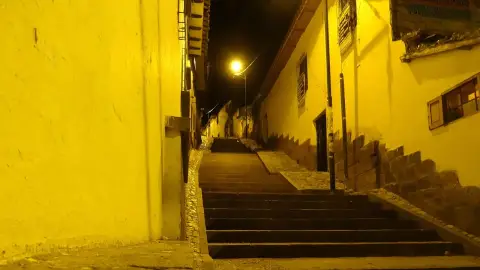
Artisans' quarter with steep lanes and views, a short walk uphill
-
Find hotels
All of Cusco
Compare every area and price level in one search
Frequently asked questions
Is Machu Picchu higher than Cusco?
No. It is about 1,000 m lower, which is why many people feel better there.
Can I get altitude sickness at Machu Picchu?
It is less likely than in Cusco, but it is possible, especially if you climb quickly or arrive tired.
Should I take medication for altitude?
That is a decision for a doctor, who can consider your health and itinerary.
Is Aguas Calientes lower than the ruins?
Yes, at roughly 2,040 m it is about 400 m below the citadel, and its warm, humid air feels very different from Cusco.
Is it easier to do Machu Picchu before or after Cusco?
Visiting the ruins first, after a night in the Sacred Valley, is gentler on most people. Cusco is the highest point, so it is easier once you are acclimatised.
Do I need to acclimatise before Machu Picchu?
For the standard visit, a day or two in the valley or in Cusco is helpful but not essential. For the climbs and treks, it is more important, so ask a doctor about your plan.
Is the altitude a problem for children at Machu Picchu?
The ruins are lower than Cusco, but young children can react to height differently from adults. Ask a paediatrician before the trip, and see visiting with children.