The dry season in the Peruvian Andes runs roughly from May to September. Expect sunny, clear days, cold nights, the best trekking and the highest prices and crowds, especially in June, July and August. It is the safest choice for Machu Picchu and the Inca Trail, but it needs earlier booking.
What the dry season means
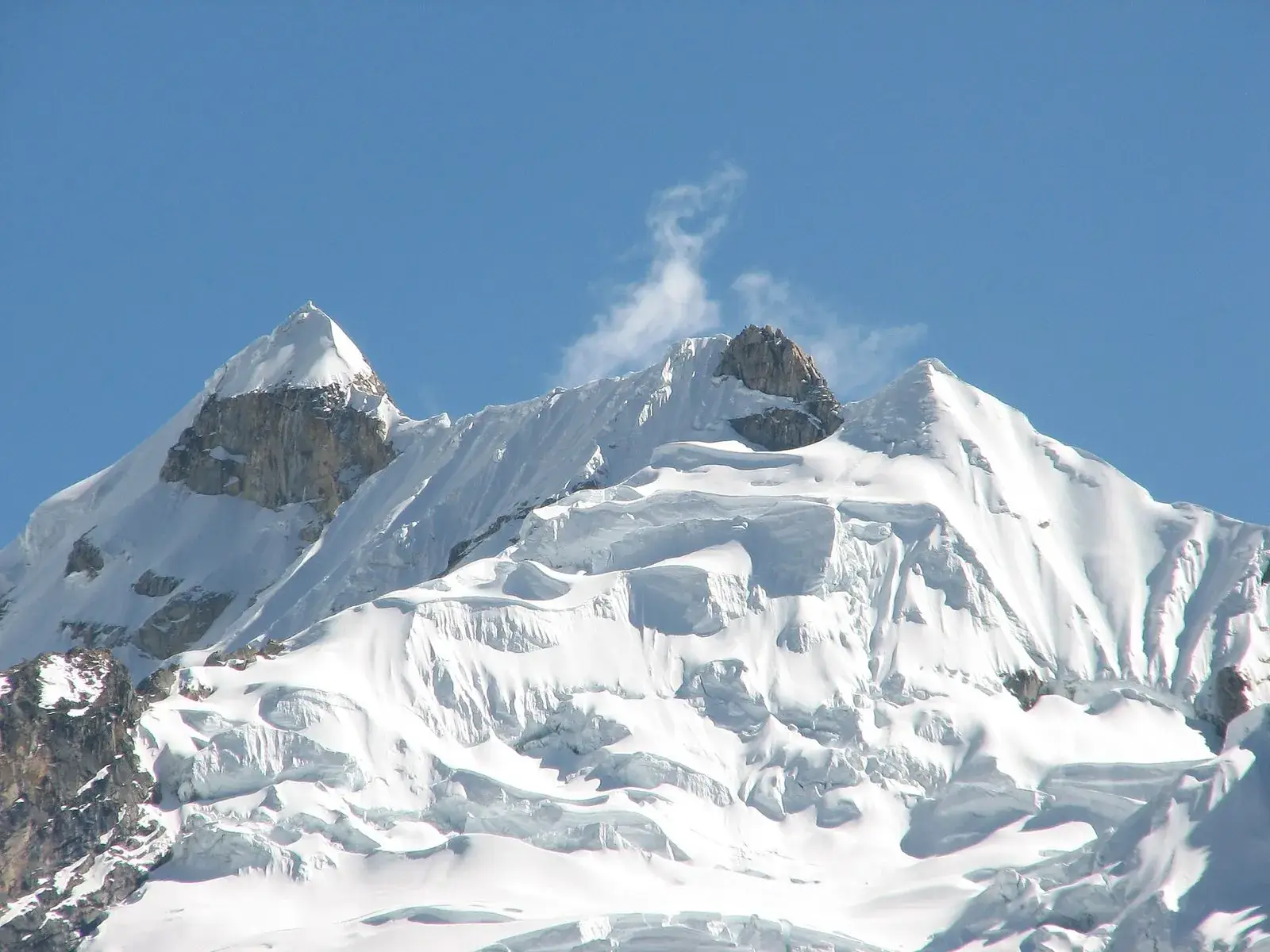
From about May to September the southern and central Andes sit under stable, dry air. Rain is uncommon, skies are often a deep blue, and mountain views that disappear in summer open up. Roads and trails are in their best condition, which is why the great multi-day treks and the Cordillera Blanca are organised around these months.
The dry season is not warm all day. At altitude the sun is strong, but the temperature drops fast after sunset, and nights in Cusco, Puno and on trek camps can reach freezing or below. Dry air also means dust, chapped lips and sunburn at altitude, so sunscreen and lip balm matter even when it feels cold.
Machu Picchu and the treks
Clear light is the main benefit at Machu Picchu, though mist can still appear in the early morning. This is also the period when entry tickets, the Inca Trail permits and the best train times sell out first, so decide early and book before the rest of the trip. The Salkantay, Lares, Ausangate and Huayhuash routes are all at their most reliable, and the Cordillera Blanca is at its best.
Because demand is highest, the popular day trips around Cusco, such as Rainbow Mountain, can be crowded and the main paths feel busy. Starting early is the simplest way to avoid the worst of it.
Prices, crowds and the coast
Hotels and tours cost more from June to August, and the days around Inti Raymi in late June and the Fiestas Patrias in late July are the most expensive of the year. May and September are quieter, with the same dry weather and noticeably fewer people, which is why many travellers regard them as the sweet spot.
The dry season is the opposite on the coast. Lima is under cloud for most of this period, so a plan that combines Cusco with the beach will give you sun in one place and grey in the other. If you want the beach, look to the north coast around Máncora, where the sea is cooler but the whales arrive, or leave coastal sunshine for another trip.
How the season changes from May to September
The five months are not identical. May is the transition: the fields are still green after the rains, the air is clearing and crowds are still building, so it combines the benefits of both seasons. June and July are the coldest and the clearest, with the sharpest nights and the highest demand. August is similar but windier, and dust becomes more noticeable on exposed roads and trails.
September is the gentle end. Days warm up, the first afternoon clouds start to reappear and prices ease. Each month has its own detail, such as May and July, if you want to judge the details against your dates.
Cold nights and what to wear
The defining feature of the dry season is the temperature swing. A sunny afternoon in a T-shirt can be followed by a night near freezing, and camps on trek routes can be much colder than the town you left. A warm insulated layer, a hat, gloves and a proper sleeping bag, or a hired one of good quality, make more difference than any other item.
Hotels in Cusco and Puno do not always have central heating, so ask whether a room has heating or extra blankets when you book. For the layering system in detail, see packing list. In the Sacred Valley and at lower altitudes, nights are milder and the season feels very comfortable.
Altitude and health in the dry season
Clear weather encourages ambitious plans, but altitude does not care about the forecast. A fast arrival in Cusco at about 3,400 m can bring headaches, poor sleep and breathlessness for the first days, whatever the month. Build in time to adjust before any high excursion, and follow the advice in the altitude sickness.
Dry air also dehydrates quickly, and strong sun at height burns skin in less time than many people expect. Drink water regularly, use sunscreen and a hat, and ask a doctor or travel clinic about anything specific to your health before you travel.
Who the dry season suits
It suits first-time visitors who want to see the main sights with minimal risk, trekkers, photographers and anyone with fixed dates who cannot afford to lose a day to weather. It suits less well anyone on a tight budget or anyone who dislikes crowds. If that describes you, consider the shoulder months or the early rainy season instead.
Families with school holidays in July and August will find themselves in the busiest weeks, so booking early is essential; see family for more on how to plan around it.
Frequently asked questions
Is the dry season the best time for Machu Picchu?
It is the most reliable for clear weather, but also the busiest. Many visitors prefer May or September for fewer crowds with similar conditions.
Is it hot in the dry season?
Not in the highlands. Days can feel warm in the sun, but nights are cold, so bring layers. The coast is at its greyest, and the Amazon stays warm and humid.
Do I need to book further ahead in the dry season?
Yes. Permits, entry tickets and the better train times for Machu Picchu can sell out well in advance, so book as soon as your dates are fixed. Hotels in Cusco also fill for the peak weeks.
Is it still cold in the Sacred Valley during the dry season?
Mornings and evenings are cool, but the valley floor is warmer than Cusco, and daytime sun is strong. Nights can still be cold, so a warm layer is needed.
Which is the quietest month of the dry season?
May and September are usually quieter than June to August, though dates around local holidays can still be busy. Check the festivals for the dates that matter.
Is the Cordillera Blanca only a dry-season destination?
For trekking, largely yes. Clear peaks and firm trails come between May and September, while the wetter months bring cloud and mud. Check conditions with local guides before any high pass.
Does it ever rain in the dry season?
Occasionally, particularly at the edges in May and September, and mountains can make their own weather. Heavy, sustained rain is uncommon, but a light waterproof is sensible on any trek.