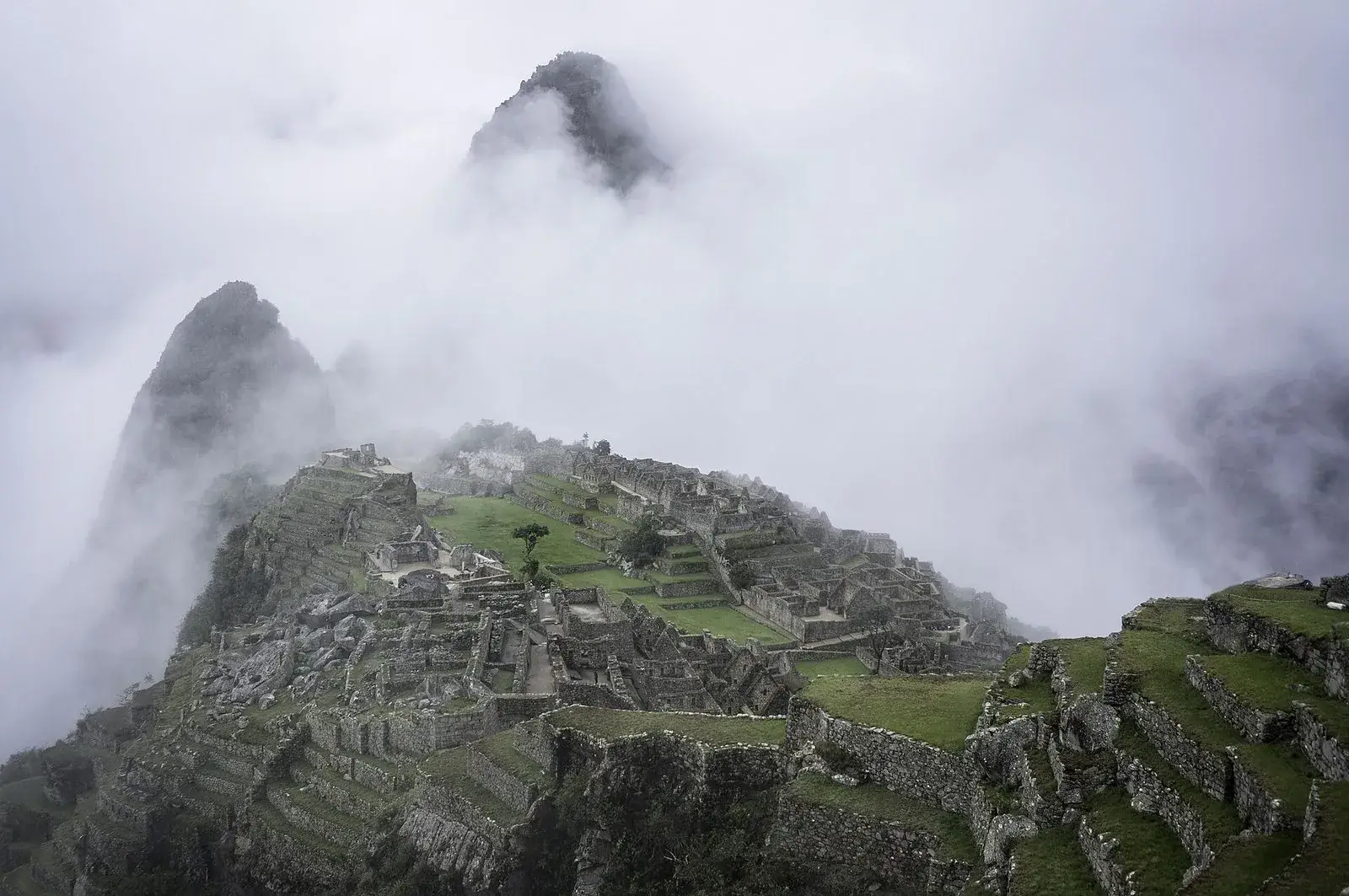
The rainy season in the Peruvian Andes runs roughly from November to March, with the heaviest rain usually in January and February. It is a legitimate time to visit, with green landscapes, fewer visitors and lower prices, but expect afternoon showers, muddy trails and a real chance of landslides and delays. Keep your plans flexible and avoid tight connections.
What actually happens
Rain in the Andes usually follows a daily rhythm. Mornings are frequently clear, clouds build through midday and showers arrive in the afternoon or evening. Some days are grey from start to finish, and January and February can bring several of them in a row. The reward is scenery. Terraces and valleys are vivid green, waterfalls are full and the dust of the dry season is gone.
The Amazon is also in its wet period, with rivers rising and some trails flooding, while the coast is in its warm, sunny summer. That makes the rainy season a good match for a combined trip of beach and rainforest, with a shorter stay in the mountains.
Machu Picchu and trekking
Machu Picchu is open through the rainy season, and the lack of crowds can make a visit more relaxed, though mist and showers are common and views can come and go. The Inca Trail closes every February for maintenance, so the classic route is not an option that month. Other treks are still run, but trails are slippery, rivers are higher and camps are wetter. The Cordillera Blanca is generally out of season for trekking, as the peaks are often hidden by cloud.
Landslides can close roads and interrupt the train line to Machu Picchu from time to time. This is not a daily event, but it happens often enough that you should never schedule a flight home the evening after a mountain excursion.
Making the most of it
Choose lower-altitude, cultural and food-led plans for the wettest weeks: museums, markets, cooking classes and the Sacred Valley's villages. Book flexible hotels and tours, travel with a waterproof jacket and quick-drying clothes, and take the early part of each day for outdoor sights. Insurance that covers weather disruption is worth reading closely; see travel insurance to understand what to look for.
Lower demand also means discounts and easier availability, particularly outside the Christmas and New Year period. Travellers who value price and quiet over certainty often find November and March the best of the wet months, since the rains are lighter at the edges of the season.
Month by month inside the season
The season is not uniform. In November the first showers arrive and the landscape starts to green, with many dry days still left; see November for the detail. December is wetter and busy at the end of the month around Christmas. January and February are the core, with the most persistent rain, and March eases gradually as the land dries.
If you must travel in the middle of the season, February is the month to plan most carefully, since the Inca Trail is closed and conditions are at their wettest. A cultural, food and city-led itinerary will handle this better than a trek-heavy one.
Roads, rail and delays
The main practical risk is not the rain itself but what it does to the land. Landslides and swollen rivers can close mountain roads for hours or days, and the rail line to Aguas Calientes has been interrupted in the past. Buses between high towns can run late, and flights into Cusco can be delayed by cloud.
Protect yourself with simple habits. Keep a spare day in front of any international flight, travel in daylight on mountain roads, and check the news and your operator's message on the morning of travel. See weather and route disruption to understand what actually happens when a route closes and what to do about it.
Where the rainy season works well
Some regions are at their best while the Andes are wet. The northern coast has hot, sunny weather around Máncora. Lima is at its sunniest and its food scene works in any weather. The southern city of Arequipa has only a brief spell of afternoon showers and is easy to enjoy.
The Amazon is a case of trade-offs: more water for boat exploration, but also more insects and more humidity. A combined plan, with a short Andean section built around the early morning and a longer stay on the coast, is the strongest way to use the season.
What to pack and what to book
Waterproofs are the key purchase: a proper rain jacket or poncho, waterproof footwear with a good grip and a dry bag for electronics. Quick-drying layers beat cotton, and a spare pair of socks is worth carrying. For the Andes, add warm layers for the evenings, since cloud makes the cold feel sharper.
On the booking side, prefer cancellable or changeable hotels and tours, and ask about the policy if the weather closes a route. The packing list covers the full kit, while Salkantay explains what the rainy-season trek feels like.
Frequently asked questions
Will rain ruin my Machu Picchu visit?
Usually not. Showers tend to pass, and mist can look atmospheric, but visibility is less predictable than in the dry season. A flexible schedule gives you a second chance at a clearer view.
Which are the wettest months?
January and February are usually the wettest in the southern Andes, with March also wet and the edges of the season lighter.
Is it safe to travel in the rainy season?
Mostly yes, but roads and trails can be blocked. Follow local advice and avoid tight connections.
Is it cheaper to travel in the rainy season?
Hotels and tours often have more availability and sometimes better rates outside the Christmas and New Year weeks. Do not expect a large discount on fixed-price items such as entry tickets. Check budget for how costs vary.
Can I do the Salkantay trek in the rainy season?
Operators run it, but the pass can be cold, wet and snowy, and trails are muddy. It is more demanding and less scenic than in the dry season, so choose a reputable operator and be flexible.
Is the coast good during the Andean rainy season?
Yes. From about December to April Lima and the north coast have their sun, so the wet mountains and sunny coast make an easy pairing.
Should I avoid Cusco in February?
It is not closed, but it is the wettest and most disruptive month, and the Inca Trail is shut. Plan a city-and-culture visit with spare days, and consider an alternative to the classic trek.