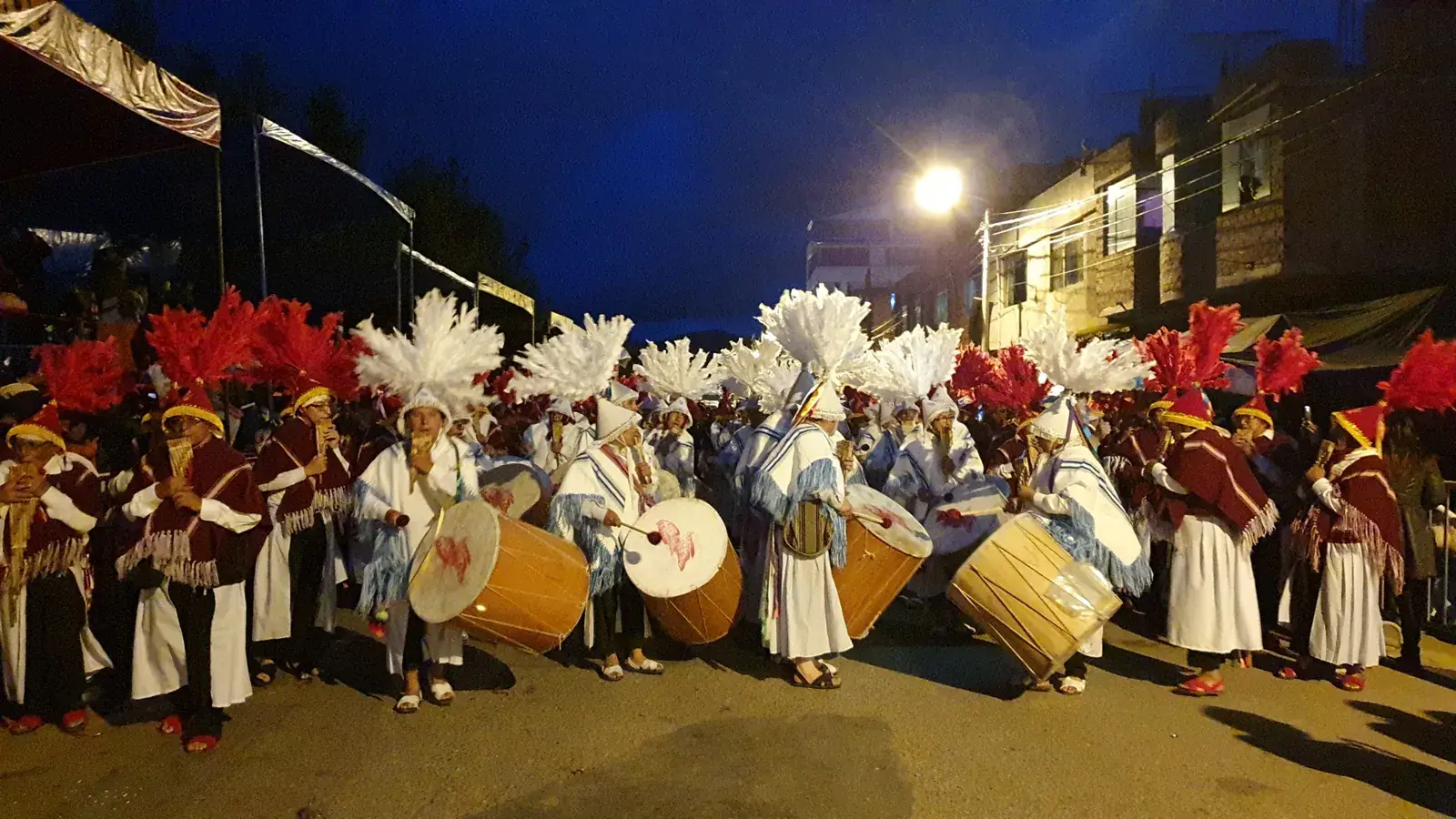
February is the wettest month in much of the southern Andes, and the classic Inca Trail is closed for maintenance for the whole month. It is a good choice if you are drawn to festivals, with Carnival and the Virgen de la Candelaria celebrations in Puno, or if you want the coast and the Amazon in their warm, wet season. Choose other treks and plan around the weather.
The Inca Trail closure
The single most important thing to know about February is that the classic Inca Trail does not run. The path is closed every year to allow maintenance and to give the ground a rest during the heaviest rains. If the Inca Trail is the point of your trip, move your dates to March or later, or book a different route.
Alternatives exist, but each has its own wet-season quirks. The Salkantay and Lares routes can run, with muddy trails and swollen streams, and some guides will change the itinerary if rivers are too high. The short train-and-bus route to Machu Picchu remains open, and the citadel itself keeps its schedule.
Festivals worth planning around
February is a festival month. Carnival, held in the days before Lent, is celebrated across Peru with water balloons, foam, paint and flour, especially in the Andean towns, and you should be prepared to get wet if you are out in the streets. In Cusco and the villages the playful fights come with music and dancing.
In Puno the Virgen de la Candelaria festival, with its main dates in early February, is one of the biggest folk celebrations in the country, with days of costumed dance, brass bands and processions. Hotels fill and prices climb, so book well ahead and expect crowds. Lent dates move each year, so Carnival dates differ each year; see the festivals and holidays for the wider calendar.
The weather, region by region
In the highlands, expect rain on most afternoons and some days of long downpours, with a higher chance of landslides on mountain roads and, at times, on the Machu Picchu rail line. Lima is hot, humid and sunny, and the beaches are crowded at weekends. The north coast is very hot and has the best sea temperatures of the year, though in strong El Niño years the rains can be severe there.
The Amazon is wet and rivers are rising, but the forest is lush and some operators offer reduced prices. The Cordillera Blanca is not in season, so skip the multi-day treks there. For the principle behind these patterns, see the rainy season.
Machu Picchu in February
The citadel is open, and February can be one of its quietest months, with fewer groups and a calm feel on the terraces. Rain is frequent, and cloud often sits over the ruins, so the classic postcard view is far from guaranteed. On the other hand, a rainy day brings drifting mist, rich green on the terraces and few people, and many visitors find that atmospheric.
Treat the visit as a two-chance plan where possible: if you can spend two days in the area, you give yourself a better shot at a clearer morning. For the micro-climate in more detail, see Machu Picchu weather; the ticket system still applies, so book ahead.
Travelling on the coast and in the Amazon
If the mountains look unpromising, February is a strong month for the coast. The beach resorts of the north, such as Máncora, are hot with warm water, and Peruvian families fill them during the summer school break. Book early for weekends, and expect higher prices than in the quieter months.
The Amazon is a different proposition: hot, very humid and wet, with high river levels. This can favour boat-based exploration of flooded forest, but some trails close, and insects are plentiful. Ask your lodge what the programme looks like in February before you commit, and carry good repellent and a rain layer.
Is February worth it?
It can be, for the right traveller. If you like festivals, hot beaches and green scenery, and you do not mind a flexible plan, February offers lower prices and smaller crowds at Machu Picchu. If you have only a short window and need a guaranteed view, this is the riskiest month. Pack a good rain jacket, waterproof bag covers and a change of footwear.
Consider a split plan: festival days in Puno, a short Cusco stay with spare time, and a beach finish. For the alternative of shifting to a drier month, compare January and the dry season.
Frequently asked questions
Is the Inca Trail really closed all of February?
Yes, it is closed for annual maintenance every February. It reopens in early March.
Can I still visit Machu Picchu in February?
Yes, the site stays open. Reach it by train or by the other routes that remain available, and keep a spare day in case of delays.
When is the Candelaria festival?
The main celebrations in Puno fall in early February, with the festival lasting about two weeks. Book accommodation far ahead, as the town fills.
Is February the wettest month in Peru?
In the southern Andes it is usually the wettest or among the two wettest, together with January. The coast and the far north follow different patterns, and Lima is dry and sunny.
Will I get wet at Carnival?
Quite possibly. Water balloons, buckets and foam are part of the fun in many towns, and visitors are rarely exempt. Keep phones and cameras in waterproof bags.
Is it safe to trek in February?
Treks other than the classic trail do run, but rivers, mud and landslides add real risk. Use an established operator and accept route changes.
Are there alternatives to the Inca Trail in February?
Yes, including Lares and Salkantay, both of which can be wet but run. Compare them on the Inca Trail versus Salkantay.