March is still part of the rainy season, but it is often the month when the weather starts to ease. The Andes are at their greenest, the Inca Trail reopens, and the coast is warm. It suits photographers, travellers who accept some rain for far fewer crowds, and anyone drawn to the grape harvest around Ica. Expect wet afternoons and keep the first half of the month flexible.
A month of two halves
The first half of March behaves much like February. Rain is regular in Cusco and the Sacred Valley, rivers are high and the same cautions apply to landslides and delays. By the second half the afternoon storms are often less frequent, mornings are clear more often, and the first hints of the dry season appear, such as brighter evenings and stronger light on the mountains.
That drift is the reason March suits travellers who can be flexible. If you can move days around, you may find that the second half gives better visibility than you would expect, while prices and crowds remain well below dry-season levels.
The Inca Trail and trekking
The classic Inca Trail reopens after its February closure, usually in the first days of March. The route is still wet, slippery and quieter than in the dry season, and the forested sections are especially green and full of orchids and cloud. Permits are easier to obtain than in peak months.
The Salkantay, Lares and other Cusco-area treks are possible but carry the same river and mud risks as in the wettest months. The Cordillera Blanca is not yet in season, so Huaraz-based trekkers should wait until May.
Ica, wine and the south coast
March is the traditional grape harvest period around Ica, and the region celebrates it with the Vendimia festival, which includes grape-treading, music, pisco and processions. Wineries and pisco producers in the valley are at their busiest, and the desert around the oasis is hot and sunny, which pairs well with the dunes of Huacachina in the morning and late afternoon.
Paracas, Nazca and the south coast are warm and bright. Lima is still in its summer season, with the beaches busy at weekends and the sea at its warmest. The coast is the weather winner of the month, so a combined plan with the Andes works well.
Machu Picchu and the Sacred Valley in March
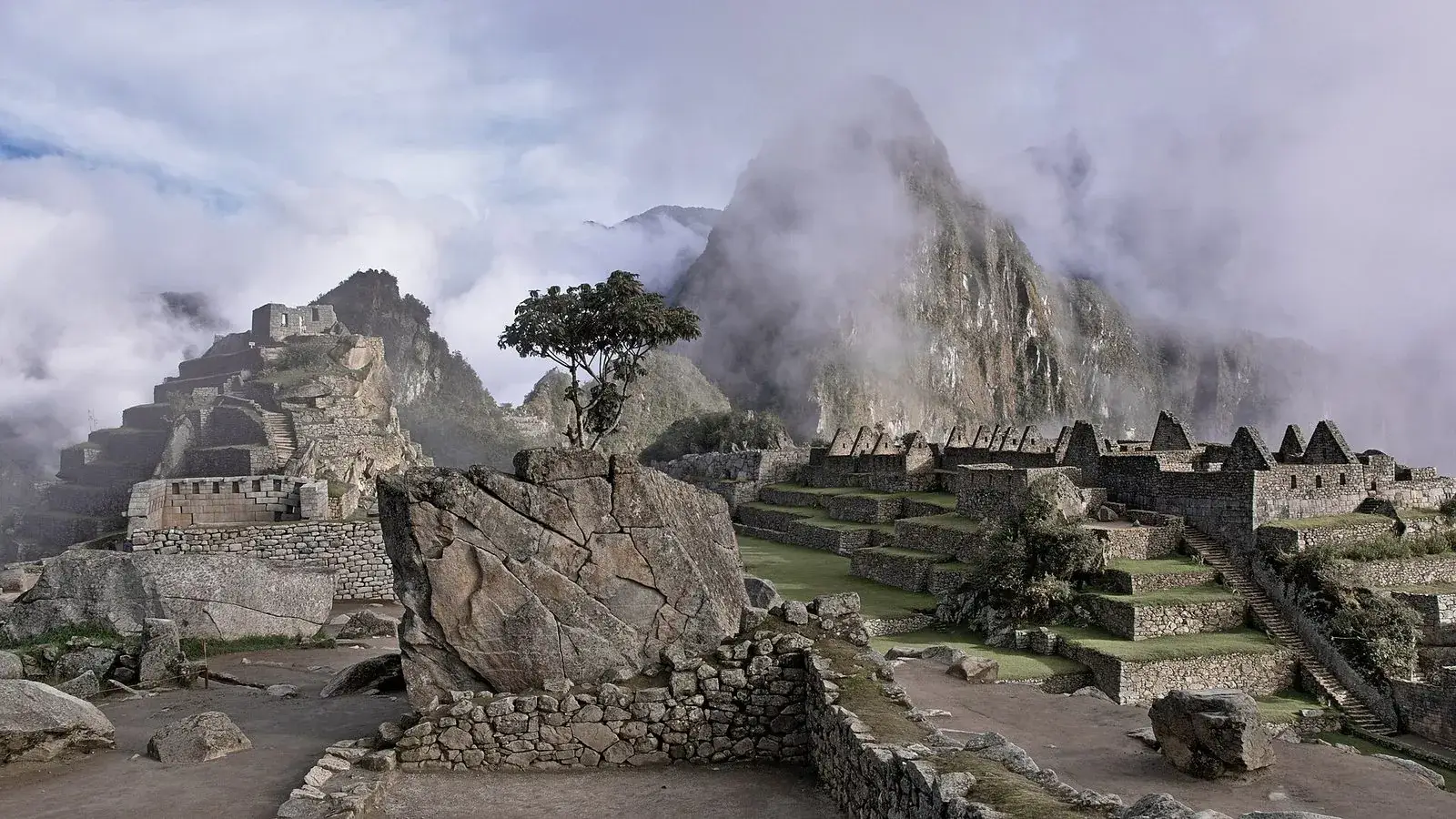
Machu Picchu in March is green and relatively calm. The crowds of the dry season are months away, and the terraces and surrounding forest are at their lushest. Showers are likely, and cloud may clear late, but the second half of the month gives more bright morning windows than the start.
The Sacred Valley is similarly vivid, with maize fields tall and rivers running high. Roads can be affected by slides, so avoid cramming a tight schedule into a single day. A day in the valley and a night near Ollantaytambo before the train works better than a rushed return to Cusco, and it protects your timetable if services are delayed.
Why photographers like March
After months of rain the air is clean, colours are saturated and clouds make dramatic skies over the terraces. Waterfalls are full, flowers are out and the light after a shower can be better than the flat blue skies of July. Crowds are thin at the main viewpoints, which gives space for tripods and unhurried framing.
The cost is unpredictability, so plan a margin: stay an extra day at the main sights, shoot early and protect equipment with rain covers and silica gel. For locations and timing across the year, see the photographer's advice.
Pack and plan
Bring a waterproof jacket, quick-drying layers and shoes that can handle mud, plus a warm layer for the nights. Camera gear needs rain protection, but the same wet weather gives vivid colour, which is why photographers often favour March. Book flights and trains with a little slack and avoid scheduling long mountain drives on your last day.
Compared with the deepest rains, March is a good month to be adaptable rather than avoid the trip entirely. If you want more certainty, the dry season is only two months away.
Frequently asked questions
Does the Inca Trail reopen in March?
Yes, it normally reopens in the first days of March after the February closure. Expect wet conditions in the first weeks.
Is March better than February?
Generally yes for the Andes. The Inca Trail is open and the rains begin to ease, though you should still expect showers.
When is the Ica grape harvest?
The harvest is traditionally in March, with the Vendimia festival taking place around then. Dates for events vary from year to year.
Is March a good time for the beach?
Yes, the coast is still in its warm season, with sun in Lima and strong heat in the north. Weekends can be busy, and the summer school holidays may extend into the month.
Will the Amazon be flooded in March?
Rivers are high and some forest trails are under water, but lodges operate. Ask about boat routes and expect plenty of insects.
Is March cheaper than June?
Typically yes for hotels and tours in the Andes, since demand is lower. Entry tickets and fixed fees do not usually change with the season.
Is March a good month for first-time visitors?
It can be, if you accept some rain and keep the schedule flexible. First-timers who want the safest weather should compare it with May and September on first-timers.