For photographers, Peru offers high-altitude landscapes, Inca ruins, colonial streets, markets and rainforest, but the light depends on the season. The dry season, roughly May to September, gives clear skies and sharp mountain views, while the green season brings drama and colour, with more cloud. Shoot early and late, travel with weather protection and always ask permission before photographing people.
Choosing your season by subject
If you want crisp mountain views, the dry season is the answer. From about May to September the Cordillera Blanca, Ausangate and the Sacred Valley peaks show against blue skies, and the dust is limited in the early part of the season. If you prefer mood, the green season has dramatic cloud, saturated colours and mist around Machu Picchu, which can make memorable images but cannot be planned. March and October are good compromises. For what the clear months involve, see dry season.
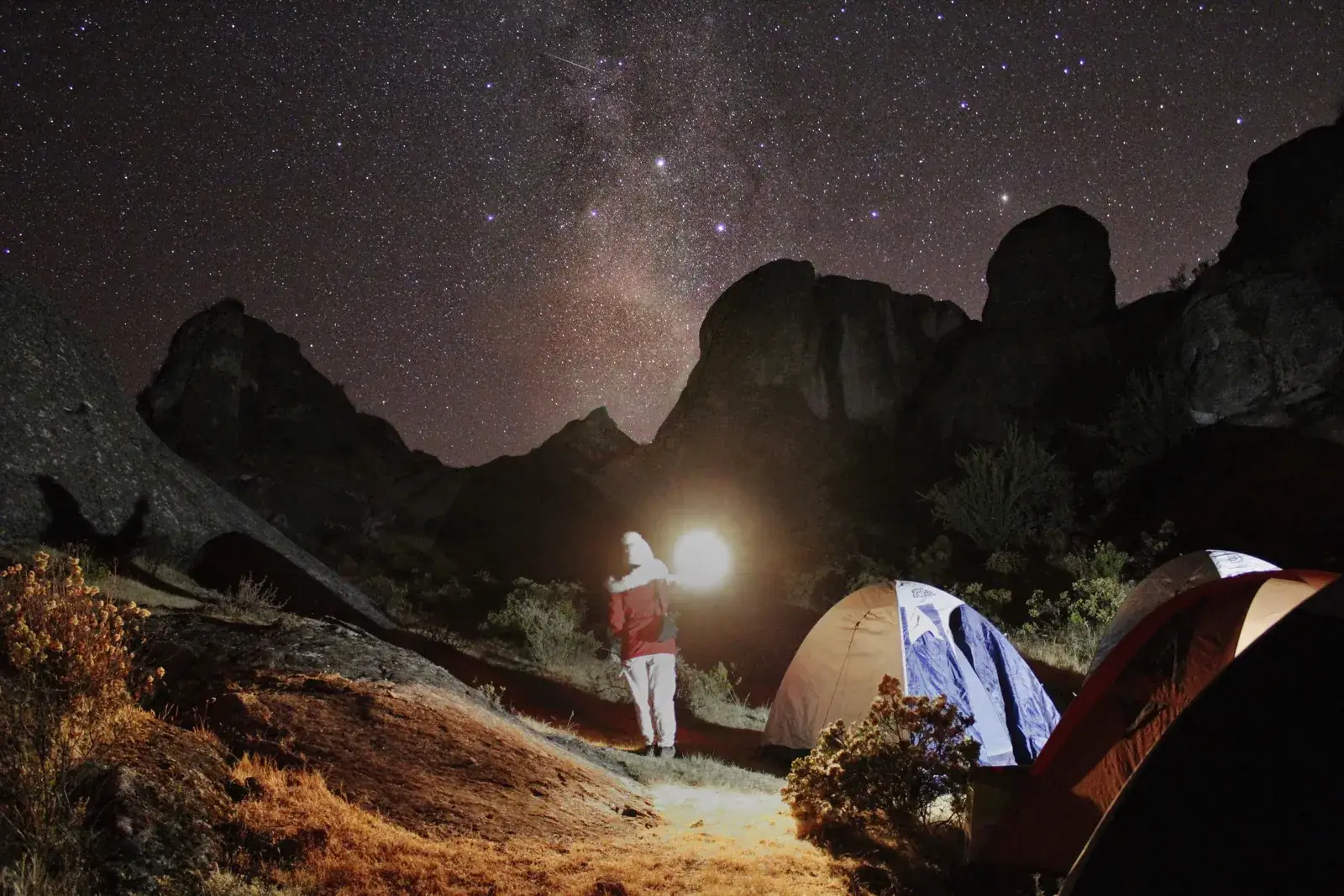
Photographers who care about the Milky Way should look to the dry season too, as high, dark skies at Lake Titicaca and in the Andes are clear on cold nights. Be ready for freezing temperatures that drain batteries.
Where to point the camera
At Machu Picchu, early morning gives soft light and mist, but the site is crowded at the main viewpoint. Consider an alternative angle on a longer circuit; sunrise at Machu Picchu explains what the early hours are really like. In the Sacred Valley, terraces at Moray, the salt pans at Maras and the weaving villages give texture. Cusco's lanes and rooftops are best at sunrise and dusk.
The Colca Canyon's Cruz del Cóndor is a famous place to photograph condors riding the morning thermals, and they are most reliable in the dry months. The Cordillera Blanca around Huaraz offers glacial lakes and snowy peaks, while Lake Titicaca has reed islands and open skies. In Lima, Barranco's street art and the coastal cliffs reward evening walks. The Amazon rewards patience and a long lens.
Light through the day and the year
Near the equator the sun rises and sets quickly and at similar times all year, so the golden hours are short. At high altitude the midday sun is harsh, with strong contrast and deep shadows on ruins and mountains, and the best images come within a couple of hours of dawn and dusk. Mist at Machu Picchu lifts in the first hours, which makes timing difficult but rewarding.
In the green season, a clear patch after rain can give luminous colour and hanging cloud over terraces. In the dry season the sky is a deep blue, which suits polarising filters, but flat midday light needs patience. Lima is soft and grey for much of the year, which is excellent for portraits and street scenes.
People, markets and ethics
Markets and festivals are visual feasts, but many people in traditional dress are asked to pose by visitors and may expect a small payment. Ask first, accept a no, and consider buying something or tipping if a person has been photographed at length. Do not photograph religious rituals or processions without permission. Drone use is regulated, and many archaeological sites ban it.
For respectful behaviour, see etiquette, and for events where photography is rewarding but sensitive, see festivals. Offering to show the image on your screen is a simple way to build goodwill.
Protecting your gear
Dust, damp and cold are the main hazards. Bring dry bags, silica gel, lens cloths and a rain cover. Keep spare batteries warm inside your clothing at night. Carry gear in a plain bag rather than a branded camera bag in busy areas, and keep insurance details handy. A tripod may not be allowed at some sites, so think twice before you carry one up a mountain.
Back up images every night to two places, since theft and damage happen. Camera insurance and a travel policy that covers equipment are worth checking, as is the limit for single items. For common street risks, see scams.
Trekking with a camera
On multi-day treks, weight and weather decide what you can carry. A single body with one or two lenses, a small tripod if permitted and a compact waterproof bag is a realistic kit. Porters carry the main luggage on most organised treks, but do not rely on them for fragile items, and keep your camera in a padded case in your daypack.
Charging is limited at camps, so bring extra batteries and a power bank, and keep them warm. For route ideas, see hikers for the main treks, and for how conditions affect shooting, see Inca Trail.
A photographer's calendar
Think of the year in three parts. May to September gives clear mountains, condors and cold dawns. October and March to April give transitional light, fewer people and dramatic skies. December to February gives lush green and misty ruins, but also risks of rain and blocked roads.
If you can only choose one window, late May and September combine clean skies and reasonable crowds. For a first visit, plan flexibility around the most important shoot, and keep a spare day at Machu Picchu, since weather there changes quickly.
Frequently asked questions
When is the best light in Peru?
Early morning and late afternoon, as everywhere, with the clearest skies in the dry season.
Can I fly a drone in Peru?
Rules are strict at many archaeological sites and protected areas. Get permission first.
Are tripods allowed at Machu Picchu?
Rules on equipment are set by each site and can change.
Which lenses should I bring?
A wide to standard zoom covers ruins, cities and landscapes, and a longer lens helps for condors, wildlife and compressed mountain views. Keep the kit light, because altitude makes carrying more tiring.
Is it rude to photograph local people?
It can be if done without asking. Ask permission, accept a refusal and offer to show the image. Some people expect a small payment for posing.
Where can I see condors for photography?
Cruz del Cóndor in the Colca Canyon is the best-known site, with morning flights in the dry season. Arrive early and be patient, as sightings are never guaranteed.
Is the rainy season bad for photography?
Not necessarily. The landscape is green and skies are dramatic, but you need weather protection and flexibility, and roads can be disrupted.