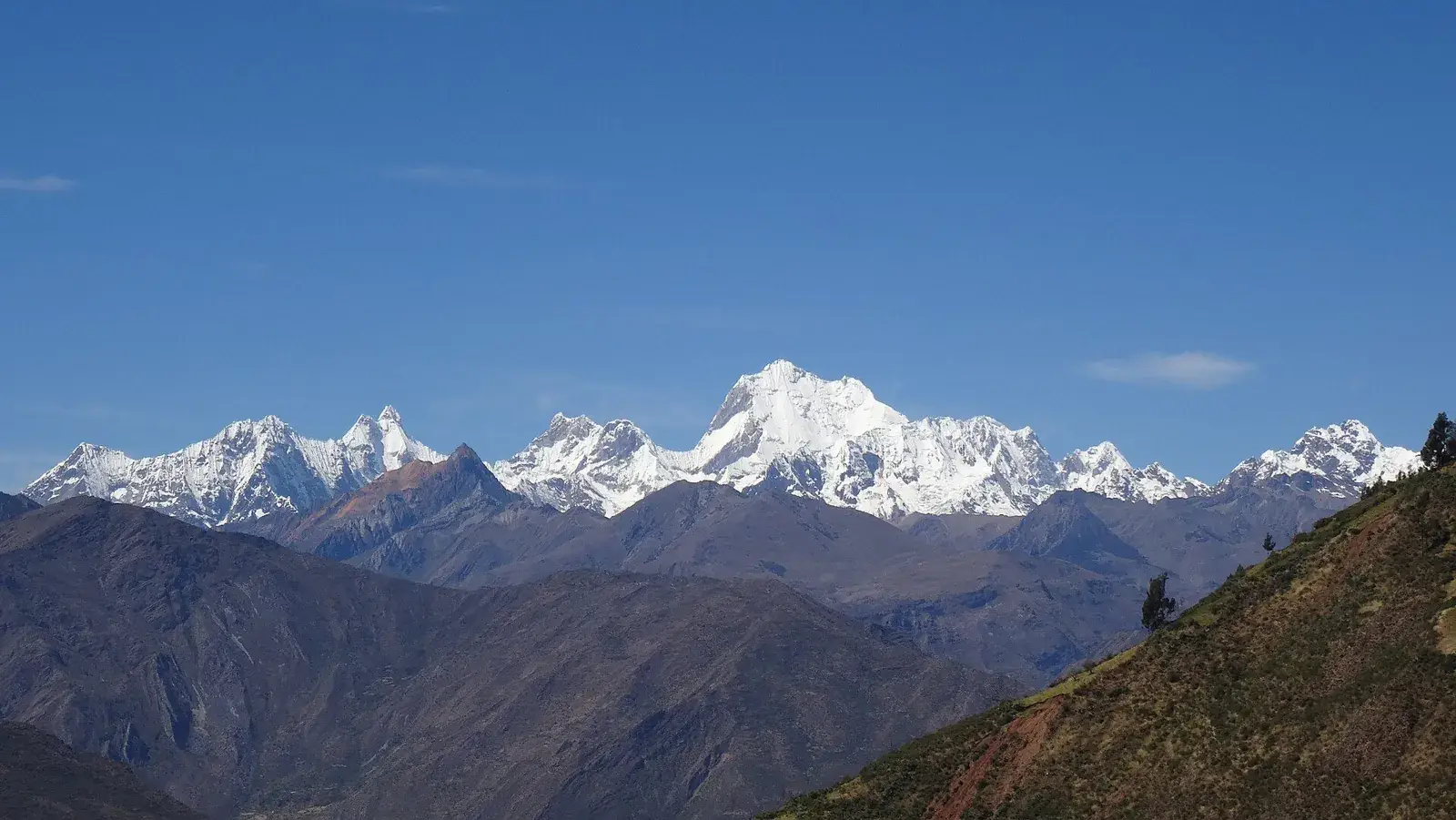
Peru has hikes for every level, from short lake walks to multi-day treks over 4,500 m passes. The best season is the dry season, roughly May to September. Choose your route by difficulty and altitude, acclimatise for at least two or three days beforehand, book permits early for the Inca Trail, and use a reputable agency or guide for anything remote or high.
Match the trek to your experience
Start by being honest about your level. Easy options include walks around the Sacred Valley and shorter day hikes such as Laguna Churup near Huaraz. Moderate day hikes, such as Humantay Lake, are shorter but steep at altitude. Multi-day treks such as Salkantay, Lares, Santa Cruz and the Inca Trail need fitness, good gear and acclimatisation. Long circuits such as Huayhuash and Ausangate are for experienced trekkers who are comfortable at high altitude and in remote terrain.
Altitude changes everything. A walk that would be easy at sea level can be tiring at 4,000 m, and passes above 4,500 m are common on the major routes.
Season and permits
Trekking is organised around the dry season, roughly May to September, with the best conditions for Huaraz and the Cordillera Blanca. The rainy season is wetter and muddier, and some areas are out of season. The Inca Trail closes every February and needs a permit that sells out months ahead in the dry season. Other routes are less restricted but may need regional entry fees and a registered guide.
For every trekking route, see trekking.
Agencies, guides and gear
Most multi-day treks in Peru are run by agencies who provide guides, cooks, porters or mules, tents and meals. Quality varies, so read about the agency, ask what is included and how porters are treated and equipped, and look for clear safety procedures. How to choose an agency lists the questions to ask.
Bring layered clothing, a warm sleeping bag, waterproofs, sturdy boots broken in beforehand, sun protection and a headtorch. For what to bring and what is easy to hire locally, see gear.
Acclimatisation in practice
A sensible hiking trip begins with easy days at altitude. Spend a couple of nights in the Sacred Valley or Cusco, then walk a gentle day, such as a morning around Cusco's ruins, before attempting anything higher. For the "climb high, sleep low" idea and why rest days help, see acclimatisation.
Symptoms such as headache, nausea and disturbed sleep are common in the early days, and they are signals to slow down, not to push harder. Anyone with persistent or worsening symptoms should descend and seek medical advice. Fitness at sea level does not protect you, since altitude affects fit and unfit people alike.
Day hikes that suit most people
Short hikes give a taste of the mountains without a multi-day commitment. Humantay Lake is a steep morning climb to a turquoise lake beneath glaciers, usually done as a long day trip from Cusco. Laguna Churup near Huaraz combines a rock scramble with a mountain lake, and is a good acclimatisation outing. Rainbow Mountain is popular and high, and its altitude makes it harder than it looks.
Walks around the Sacred Valley, such as between archaeological sites, offer gentle outings at lower altitude. Choose the day hike by altitude and gain, not only by distance, and carry layers, water, sun protection and snacks.
Building a hiking trip
A good hiking itinerary begins with a few days of easy acclimatisation in the Sacred Valley or Cusco, builds to a moderate day hike, and saves the biggest effort for later. If you also want culture, schedule rest days after the trek. Keep a spare day before your flight home, because weather and strikes can delay transport.
The trekking itinerary shows a ready-made plan, and for how a hiking trip fits with Lima and Machu Picchu, see first-timers. A trek followed by a lazy day in the valley is a better finish than an early flight.
Frequently asked questions
Which trek is best for a first-timer?
Many choose the Inca Trail for its history or Salkantay for its scenery. Choose by fitness, time and budget.
Do I need a guide?
For the Inca Trail a licensed operator is required. For remote or high routes a guide is strongly advised.
When is the best month to hike?
May to September is the usual window for the Andes, with the clearest conditions in the middle of that range.
How fit do I need to be?
Moderate fitness suits the classic routes, but altitude makes everything harder. Regular hill walking before you travel helps, and slower days are better than a hard push.
Can I hike in the rainy season?
Some routes run, but trails are muddy and rivers are higher, and the Inca Trail is closed in February. The Cordillera Blanca is generally out of season.
What is the hardest trek in Peru?
The Huayhuash circuit and routes around Ausangate are among the toughest, with long days and high passes. They suit experienced trekkers.
Do I need my own tent and sleeping bag?
Agencies usually provide tents and may hire sleeping bags. Check what is included and the quality of the equipment, and bring your own if you are unsure.