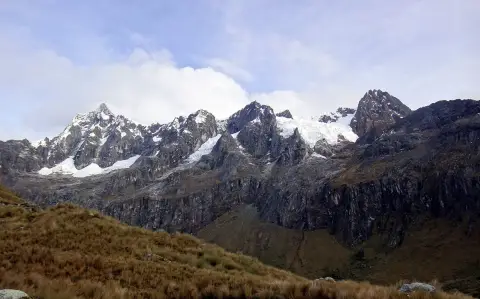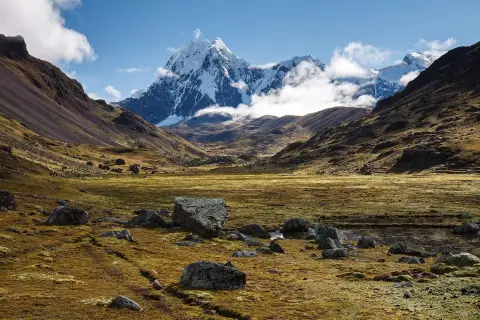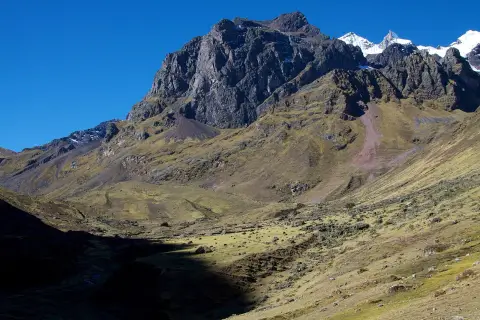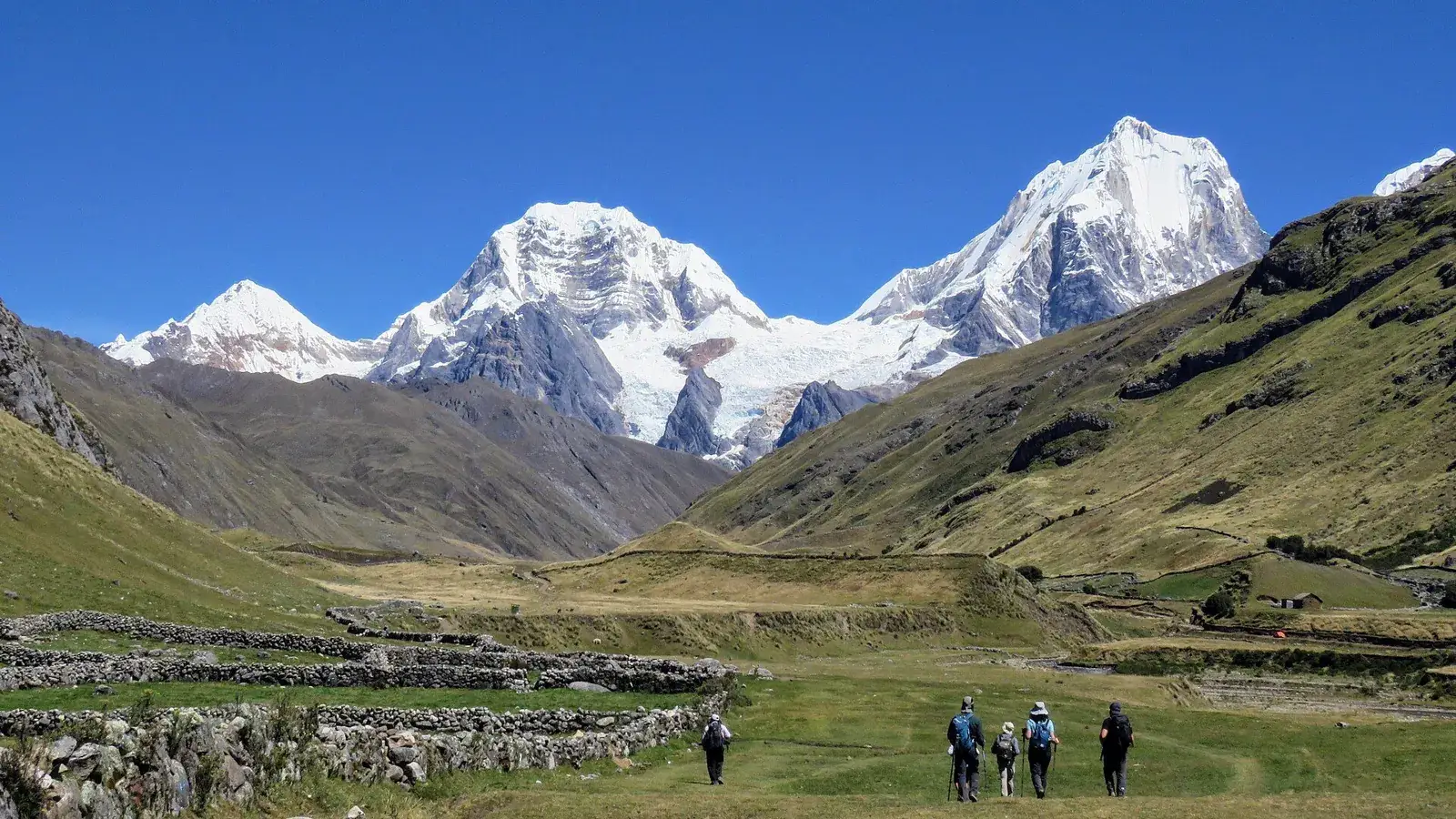
The Huayhuash circuit is a loop of roughly 120 to 130 km around the Cordillera Huayhuash, usually walked in eight to twelve days. Almost every day is above 4,000 m, with a series of passes up to about 5,000 m. It is spectacular and remote, and it is also the most demanding of the classic Peruvian treks. Go only after proper acclimatisation, with an experienced operator, in the dry season.
Route map
What makes it special
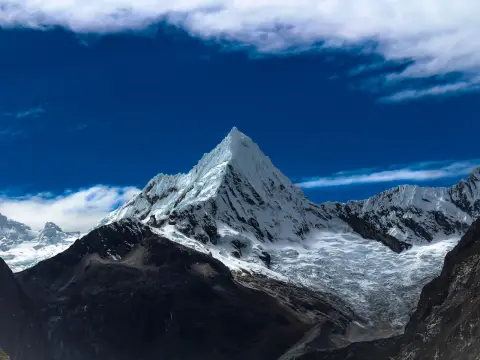
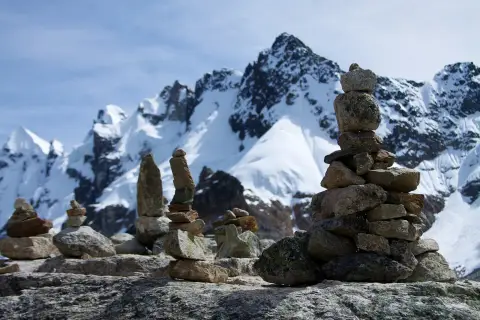
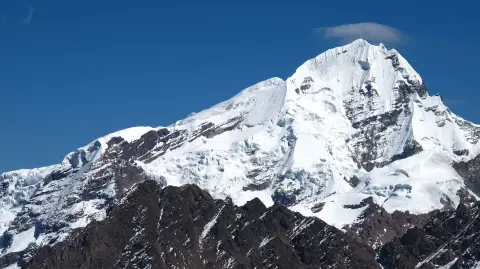
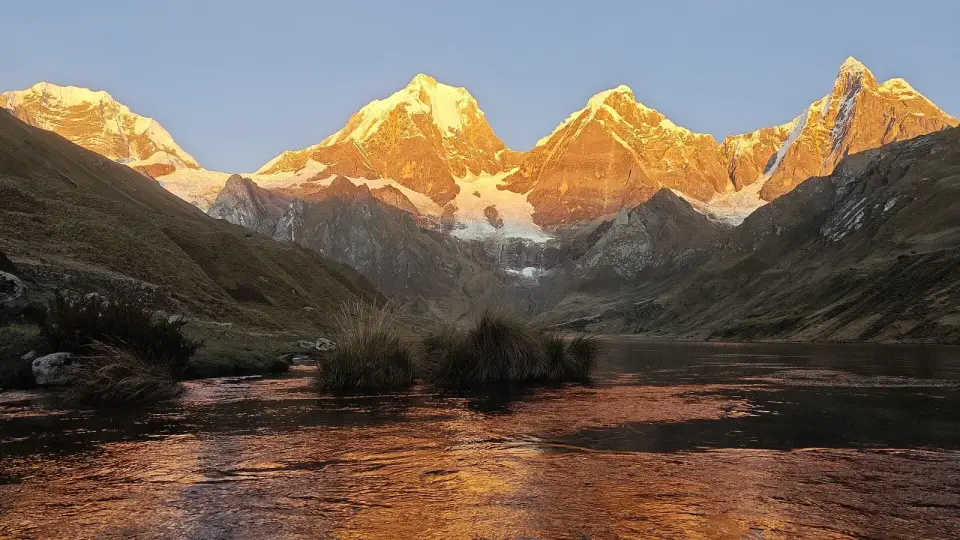
The Huayhuash is a small range with a very high concentration of dramatic peaks. The highest, Yerupajá, rises above 6,600 m, and others including Siula Grande, famous from a mountaineering survival story, and Rondoy are among the best-known in the Andes. The circuit walks beneath them, past glacial lakes in strong colours, hot springs and open puna grassland.
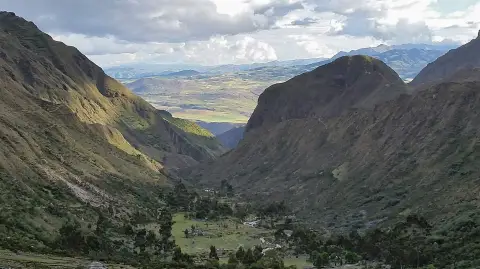
The landscape is constantly changing, but the character of the trek is its remoteness. Long days are spent far from roads, with no shops or help nearby, and the camps are in meadows beside lakes and glaciers. For many walkers it is the best trek in Peru. For others the cold and the altitude make it a hard-won reward.
Structure of the circuit
Most groups start near Cuartelhuain or Matacancha, reached by a drive of a few hours from Huaraz or Chiquián, and walk the loop anticlockwise or clockwise. The key stages involve a pass of about 4,700 m on the first or second day, more passes between 4,600 m and 5,000 m, and long descents to camps at around 4,200 to 4,400 m. Typical days are six to nine hours of walking.
The full circuit takes ten to twelve days at a comfortable pace. Shorter versions of around eight days cut some sections, and a very short option covers the most scenic stretch in about five days. Each day usually has one pass or a large climb, so rest days are valuable. The exact route varies with the operator, and sections can be changed by weather or community access.
Tours and activities
Bookable online, chosen for their traveller reviews.
-
Day trip From €29 per person
Community fees and rules
The land the circuit crosses belongs to local communities, which charge fees for camping and access, usually paid in cash at the campsites or at checkpoints. Fees vary by community and change, and are often collected per person per night. Ask your operator whether these are included in the price, as unexpected cash demands on the trail are a common source of conflict. Following community rules, including on waste and campsite use, helps keep the route open.
Over the years the area has seen security problems and disputes about access, and some communities have closed sections of the trail. Use a reputable operator in Huaraz and keep your itinerary flexible.
Season and booking
The dry season, roughly May to September, is the only practical time, with June to August having the most stable weather and the coldest nights. The wet season brings snow, cloud and avalanche risk and the trek is generally not run. Most people book through an operator in Huaraz, which supplies guides, cooks, donkeys or mules, tents and food.
Ask about group size, the quality of tents and sleeping bags, the experience of the guide on this exact circuit, how the animals are cared for, the number of days and whether a rest day is built in. Choose the number of days carefully: a shorter itinerary may mean longer days and less time to adjust.
A day on the circuit
A typical day starts at first light with tea in the tent, then breakfast and a start at an easy pace while the muleteers strike camp. The morning is for the climb, a pass is usually reached before lunch, and the afternoon brings a long descent to the next lake or meadow. Camp is reached in the afternoon and the evening is cold and early, with dinner under a clear and very starry sky.
The pace is steady rather than fast, and rest days are mainly for acclimatisation and washing. The routine is the same for most of the circuit, which is why mental stamina matters as much as fitness. Expect a lot of time in the tent, so a book, a warm sleeping bag and patience are part of the kit.
Preparing before you go
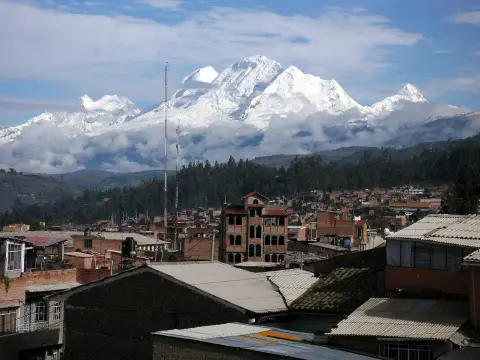
Training should include long walks with a loaded pack, hills and descents, over several weeks and in boots you will wear on the trek. At altitude, spend several days around Huaraz first and make use of the lower walks, such as Laguna Churup and Laguna Parón, before taking on Santa Cruz or the circuit itself. Many experienced operators prefer clients to have a multi-day trek behind them before Huayhuash.
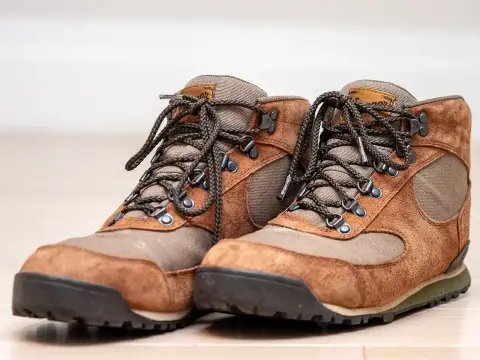
Prepare for the cold with a proper sleeping bag, down jacket and waterproofs, and bring a first-aid kit and any personal medication. For the essentials, see gear, and for how to build the days beforehand, acclimatisation. Tell your doctor and your insurer exactly what you plan.
Huayhuash compared with Santa Cruz and Ausangate
Santa Cruz is shorter, better marked and has more escape routes, which makes it the standard first big trek in the area. Huayhuash is longer, higher on average and far more remote, with fewer places to stop or descend. Ausangate in the Cusco region is closer in character, with high passes and cold camps, but it is shorter and has a different landscape.
If you want a hard, committing trek with huge mountain scenery and are prepared for ten days of effort, Huayhuash is the one. If you are not sure, start with Santa Cruz and return for the circuit another year, when you know how you react to altitude and sleeping in the cold.
Where to sleep
-
Find hotels
Huaraz centre
Services, tour offices and restaurants for the Cordillera Blanca
-
Find hotels
Monterrey
Quieter spot north of town with thermal baths
-
Find hotels
Caraz
Small town closer to the northern lakes and trails
Frequently asked questions
How hard is the Huayhuash circuit?
It is very demanding. Distances are not extreme, but the repeated passes, cold camps and sustained altitude are tiring, and help is far away.
How many days do I need?
Eight to twelve days for the full circuit, with shorter versions around five days. More days make it easier to acclimatise.
Do I need to pay fees on the trail?
Usually yes. Communities charge camping and access fees, often in cash. Ask your operator whether they are included.
Is it safe?
Mountain risks are real, and there have been access and security issues in the past. Use an experienced operator.
What is the best time to trek Huayhuash?
June to August are the most stable and coldest months, while May and September are a compromise with more risk of weather. The wet season is not practical.
Do I need a guide for Huayhuash?
In practice yes. The route is long, remote and requires navigation, camp management, community fees and emergency planning, so most walkers go with an operator and a local arriero.
Which direction is the Huayhuash circuit walked?
Both directions are used and operators choose based on the weather, the group and community arrangements. Ask which direction yours will take, and how acclimatisation is built into the first days.