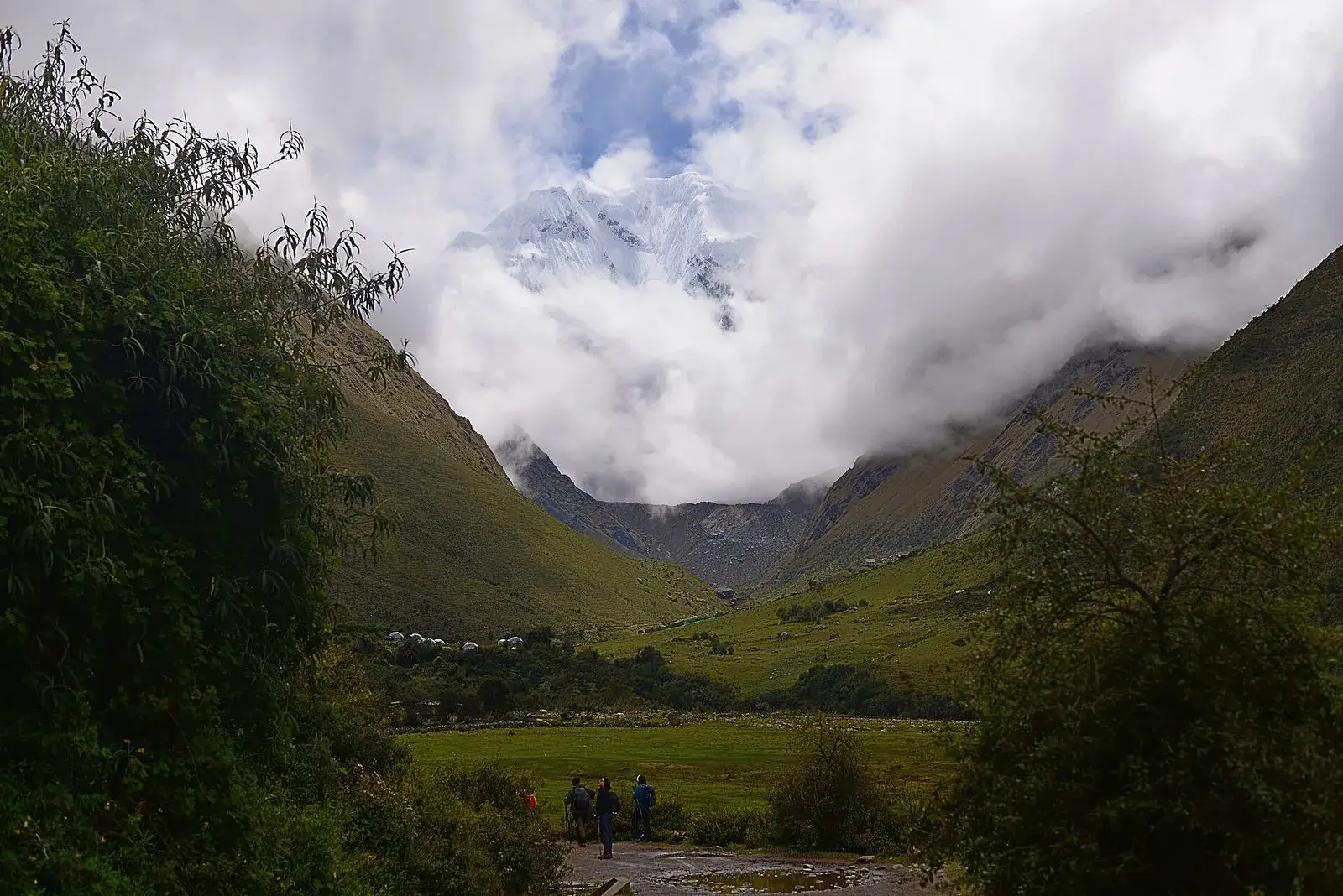
Choose the Inca Trail if you want the classic walk through Inca ruins, an arrival at the Sun Gate and you can book well ahead. Choose Salkantay if you want big mountain scenery, more flexible booking and are comfortable with a higher pass. If permits are sold out, Salkantay is the usual alternative rather than a poor second.
The criteria
Time: the classic Inca Trail is normally four days and three nights; Salkantay is usually sold as four or five days. Both include a final visit to Machu Picchu, with the Salkantay route often ending with a bus or walk to Aguas Calientes before the visit.
Permits: the Inca Trail needs a permit that is limited per day and sells out months ahead in high season, and it must be booked through a licensed operator. Salkantay has no equivalent daily cap on the same scale, so it is much easier to arrange at shorter notice, though you still need to book the Machu Picchu entry separately.
Altitude: the Inca Trail's highest pass is about 4,200 m. Salkantay Pass is higher, at roughly 4,600 m, and the route starts higher too.
Effort: both are demanding multi-day treks. The Inca Trail has long stone staircases and a tough second day. Salkantay is longer on some days and colder at night.
Cost level: both are mid-to-high priced compared with a day tour, with a wide range depending on how much is carried, how comfortable the camps are and group size.
Crowds: the permit system keeps the Inca Trail relatively controlled but still busy. Salkantay is less regulated, so numbers vary.
Season: the dry season is the usual time for both. The Inca Trail is closed for maintenance each February, which is worth planning around.
Risk: altitude, cold and weather. In the rain, paths can become slippery on either route.
What each one feels like
The Inca Trail is an archaeological walk. You pass Inca terraces, small ruins and cloud-forest sections on the way, and arrive at Machu Picchu on foot through the Sun Gate. Its appeal is the sense of approaching the site as the Incas might have, and the logistics are relatively organised, with porters and set campsites. The full route is described in Inca Trail.
Salkantay is a landscape trek. You walk beneath a glaciated peak, cross a high pass, then descend into subtropical valleys with coffee farms and waterfalls. It is more varied in climate and scenery but has fewer Inca sites, and it does not enter Machu Picchu through the Sun Gate. See Salkantay for the stages and the accommodation styles.
Booking: permits, timing and flexibility
The practical gap between the two is the booking window. An Inca Trail permit is tied to a date, a named person and a licensed operator, and in the busy months those dates are gone long before your trip. If the trail is your priority, decide the dates first and build the rest of the itinerary around them. Changing a permit after purchase is usually restricted, so check the terms before paying.
Salkantay is far less constrained. Many travellers book it a few days ahead in Cusco and fit it around other plans. The Machu Picchu entry ticket is the piece that needs booking early, because the daily visitor numbers can sell out in high season. See Machu Picchu tickets for the current system.
Whichever you choose, the operator matters more than the route. See choosing a trekking agency and the best trekking tours overview before you commit.
Camps, food and who carries what
On both routes, a team of cooks and porters or muleteers usually carries the heavy kit, so you walk with a day pack. The styles differ. The Inca Trail uses designated campsites, with a set pattern for each night, and porters are regulated by the park. Salkantay is offered in several forms, from camping to lodge-based and more comfortable options, and the standard of food and accommodation varies widely by price.
Ask each operator how many people the group holds, how the porters are treated, what the sleeping arrangements are and whether the group will have access to a first-aid kit and oxygen. Do not choose on price alone: a very cheap offer often means a large group or poorly paid staff.
Also consider weather and temperature. Nights on Salkantay are colder because of the higher camps, so sleeping bag quality is not a detail to skip. See trekking gear to understand what to bring and what to hire.
Alternatives if neither fits
Not everyone wants four days of high-altitude walking. The Lares trek passes through traditional villages and hot springs at a more modest pace and can finish at Ollantaytambo, with the train taking you on to Machu Picchu; see Lares trek. The Inca Jungle route combines walking, cycling and rafting for those who like a mix of activities; see Inca Jungle.
If you would rather not trek at all, the train is a perfectly good way to reach the site. See train or trek for the trade-offs, including cost level and the pressure of booking.
For travellers whose main aim is simply to get to the citadel and see it well, a night in Aguas Calientes and an early entry will often do more for the experience than a hard trek done reluctantly.
Verdict by traveller type
History lovers who can plan early: the Inca Trail.
Scenery and mountain lovers: Salkantay.
Last-minute planners: Salkantay, simply because the permit system makes a late Inca Trail booking unlikely in the busy months.
Travellers who are less sure of their fitness: neither is easy, and the shorter alternatives such as the Lares trek or a day or two on a trail from the valley may suit you better. Take medical advice.
The answer changes if your dates are fixed in the dry season, if you want the Sun Gate arrival, or if you have limited time, since both treks need several days plus acclimatisation. If the trek itself matters less than seeing the site, the choice between train and trek is covered separately.
Frequently asked questions
Can I book the Inca Trail myself?
No. It must be booked through a licensed operator, and the permit is tied to your passport details.
Is Salkantay harder than the Inca Trail?
Generally it reaches a higher altitude and has colder nights, so many people find it more demanding in that respect, while the Inca Trail has more steps and a tough second day.
Do both treks finish with a visit to Machu Picchu?
Yes, as the usual plan. The Inca Trail enters through the Sun Gate, while Salkantay normally finishes via Aguas Calientes, and the site visit follows a rest night or an early morning bus. Make sure your operator includes the entry ticket or tells you clearly that it is not included.
How early should I book the Inca Trail?
As early as your dates allow, particularly for the dry months. Permits can run out many months ahead, so check availability before booking flights.
What if the Inca Trail is closed or sold out?
Salkantay, the Lares trek and the Inca Jungle route are the common alternatives. Some operators also offer a short Inca Trail section as a one or two-day hike, which has its own rules.
Which is better in the rainy season?
Neither is ideal. Salkantay faces mud and cold at the pass, and the Inca Trail is closed in February. If you must trek in the wet months, ask operators about conditions and consider a different style of trip.
Do I need to be very fit?
Good general fitness helps, but altitude is the real obstacle and fitness does not guarantee you will cope. Time spent acclimatising matters more than gym training, and a doctor can advise on your own case.