The Inca Jungle trek is a three- or four-day multi-activity trip to Machu Picchu, combining a downhill mountain-bike ride from a high pass, a walk through valleys, optional rafting and zip lines, hot springs and a final walk to Aguas Calientes. It is less about distance on foot and more about variety, but the biking and rafting carry real safety risks, so choosing a careful operator matters.
What the route is
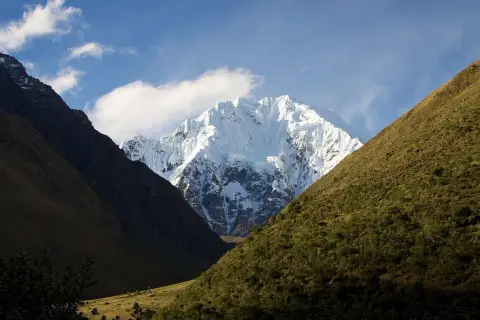
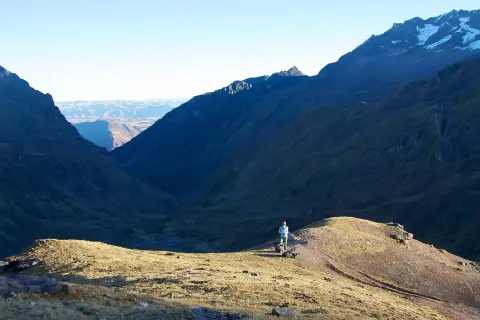
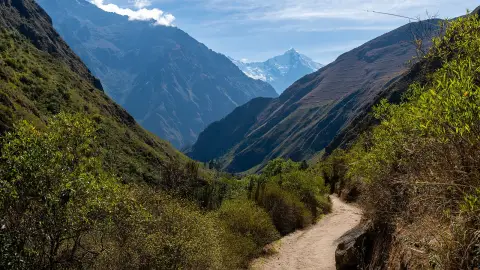
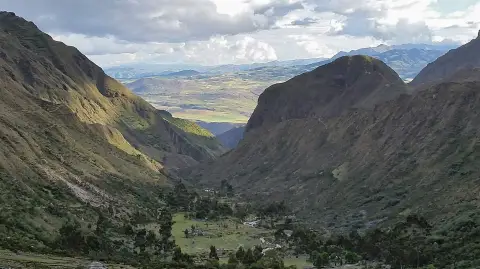
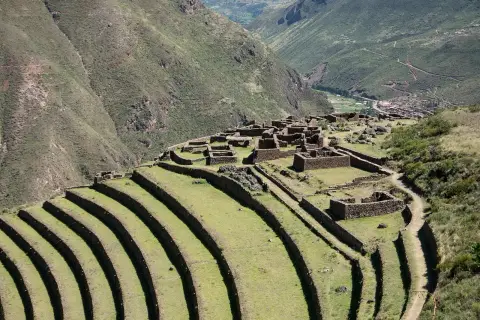
The Inca Jungle trek was designed as an alternative for people who want an active trip to Machu Picchu but are not drawn to a long, pure hike. It follows part of the descent from the high Andes towards the cloud forest and jungle edge, and uses a mix of activities to cover the ground. The scenery changes as you go down, from cold highland to warm, humid forest with coffee plantations, waterfalls and river valleys.
It attracts a younger, more adventurous crowd and is often cheaper than other routes to Machu Picchu. That does not make it easier in every respect. The activities require attention, and the quality of equipment and guiding varies widely between operators.
Typical days
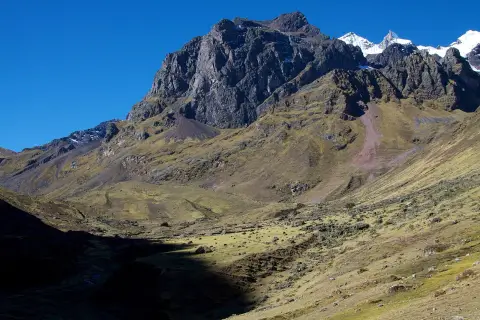
Day one commonly starts with a drive to a high pass near Abra Málaga, at about 4,300 m, where a long downhill bike ride begins on paved and unpaved roads, falling by around 2,000 m or more. After the ride, a short walk or transfer leads to a village stay.
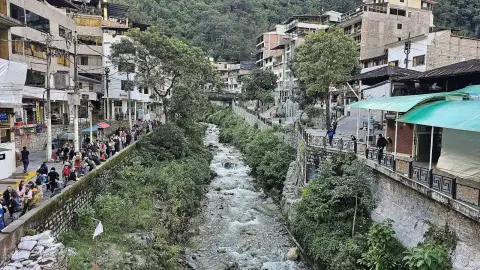
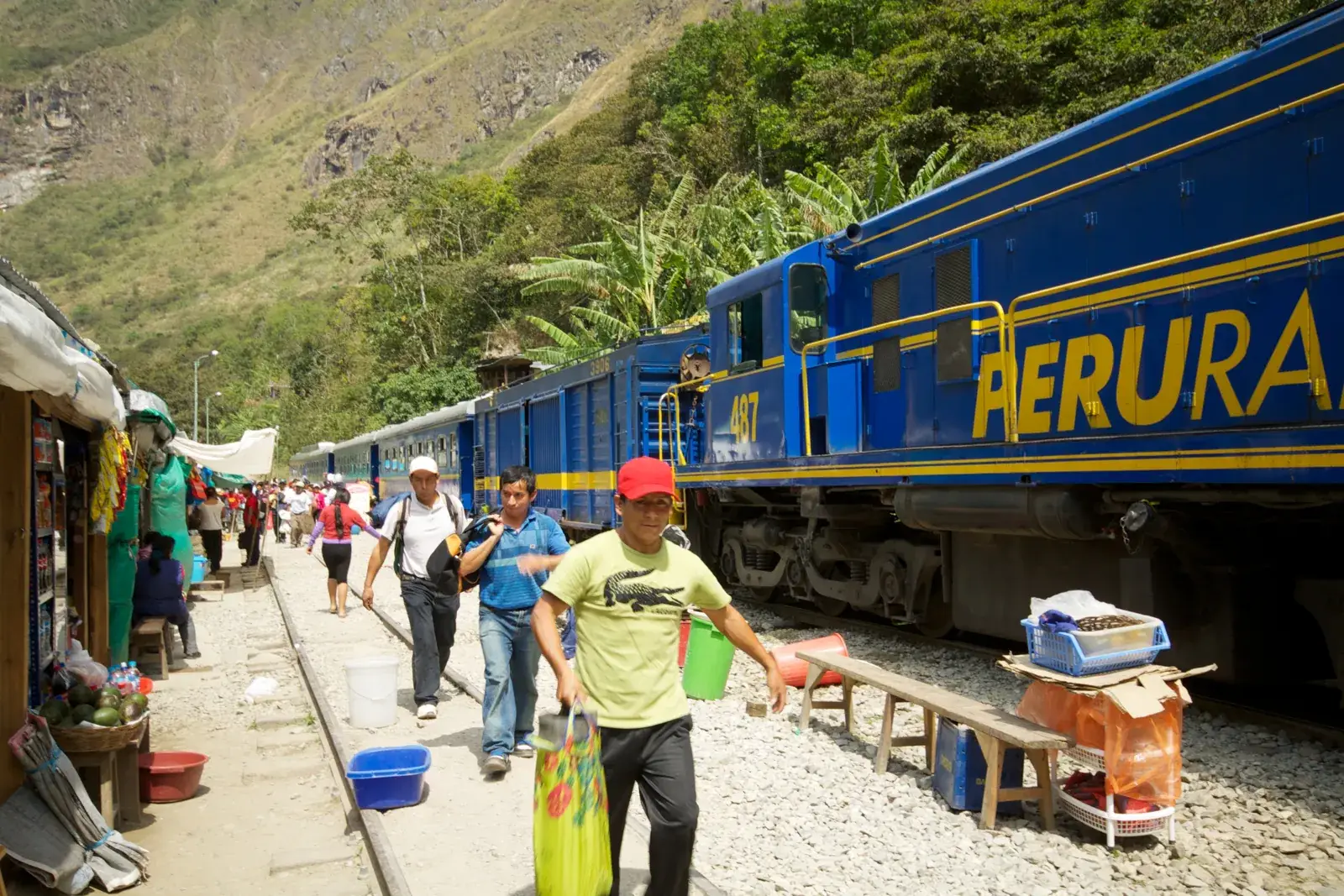
Day two is mostly walking through the valley on a mix of trails and old paths, with sections along the river. Some itineraries include a rafting session on the Urubamba, though the rapids and conditions differ by season. Day three usually offers zip lines across the valley, a visit to hot springs near Santa Teresa, and a walk beside the hydroelectric line or river to Aguas Calientes. The next morning is Machu Picchu. A four-day version adds more walking or a rest stage.
The sequence and activities depend on the operator, the season and river levels, so ask for a day-by-day plan.
Tours and activities
Bookable online, chosen for their traveller reviews.
-
★ Top rated From €23 per person
-
★ Top rated From €22 per person
-
★ Top rated From €23 per person
-
★ Top rated From €17 per person
Season and who it suits
The dry months, roughly May to September, are the safest and most reliable time, with firmer road surfaces and lower rivers. In the wet season, from roughly November to March, roads and paths can be slippery or blocked, river rafting becomes more hazardous and some departures are cancelled. Mosquitoes and sandflies are present in the lower valleys, so bring repellent and cover up at dusk.
The trek suits active travellers who enjoy variety, are confident cyclists and want a less pure hiking experience. It is a poor choice for people who dislike heights or road traffic, those with limited mobility, or anyone who wants a quiet wilderness walk.
Choosing an operator
Because the activities are optional and the equipment matters, ask detailed questions. Find out the make and condition of bicycles, whether helmets and protective gear are provided, how many guides ride with the group, and how the vehicle follows. Ask about rafting safety, who runs the zip lines, what is included in the price and what costs extra. Check whether the Machu Picchu ticket and the train or final transport are included, and who books them. A cheap price at this kind of trip is often a sign that corners are cut on the safety equipment.
The bike day in detail
The descent is the part most people remember. It starts on a cold, windy pass, where you are issued a bike, helmet and sometimes gloves and pads, and runs for several hours down a road that first has surfaces of mixed quality and then becomes narrower as the valley drops. Traffic is light on some sections and heavy on others, with buses, trucks and minibuses sharing the road.
The riding is mostly braking and steering, not pedalling, so wrists and hands tire more than legs. Wear layers on the way down, because you start in cold air and finish in warm humidity. Ask to see the bikes before the day starts, check the brakes yourself and ask for a different bike if something looks wrong. If you do not feel confident, ask whether the support vehicle can carry you for part of the route. A cautious operator will welcome the question.
Rafting, zip lines and the hot springs
Rafting is normally offered on the Urubamba or a tributary and is optional. Rapids vary from gentle to lively depending on the season, and in the wet season the river rises and conditions can become unsafe, so a reputable operator will cancel or substitute an activity. Ask about the river grade, the life jackets, the helmets and the number of guides in the water.
Zip lines are strung across the valley and are usually run by a separate company, so the safety standards are not necessarily those of your tour operator. Look at the cables, harnesses and the staff before you decide. The evening at the hot springs near Santa Teresa is a pleasant break after the activity days, and it is one of the few moments of real rest on the route.
Inca Jungle compared with the other treks
This route replaces the long walking days of the Salkantay trek and the Lares trek with a mix of activities. That makes it appealing to people who would rather bike than climb, and a poor choice for anyone seeking the archaeology of the Inca Trail or the glacial landscape of Salkantay. The walking stages are real but shorter, and the final approach to Machu Picchu is usually on foot from Aguas Calientes rather than along an Inca road.
If you are comparing prices, remember that the cost looks lower but may exclude the extras you want. Check the list of what is included before deciding, and see how to choose an agency for the questions worth asking.
Where to sleep
-
Find hotels
Plaza de Armas and historic centre
Everything on foot, at the price of noise and crowds
-
Find hotels
San Blas
Artisans' quarter with steep lanes and views, a short walk uphill
-
Find hotels
All of Cusco
Compare every area and price level in one search
Frequently asked questions
Is the Inca Jungle trek hard?
The walking is easier than Salkantay or the Inca Trail, but the activities require fitness, balance and confidence. The difficulty lies more in the risks than the distance.
How many days does it take?
Usually three or four days, ending with Machu Picchu on the next morning.
Is it safe?
It can be, with a careful operator and good equipment, but cycling on roads and rafting carry real risks. Choose carefully and check insurance.
Do I have to do every activity?
Usually not. Most activities are optional or can be swapped for walking, but confirm with the operator.
Is the Inca Jungle trek good for beginners?
It suits active beginners who can ride a bike confidently and walk for a few hours. It is not the easiest trek in terms of safety risk, so choose a careful operator and take time to acclimatise first.
Do I need to be able to cycle?
Yes, basic cycling skill is important for the downhill ride. Tell the operator if you are inexperienced, and ask whether a vehicle can carry you for part of the route.
Does the Inca Jungle trek include Machu Picchu?
The trek ends at Aguas Calientes, and Machu Picchu is visited the next morning. Check whether the entrance ticket is included or has to be bought separately.