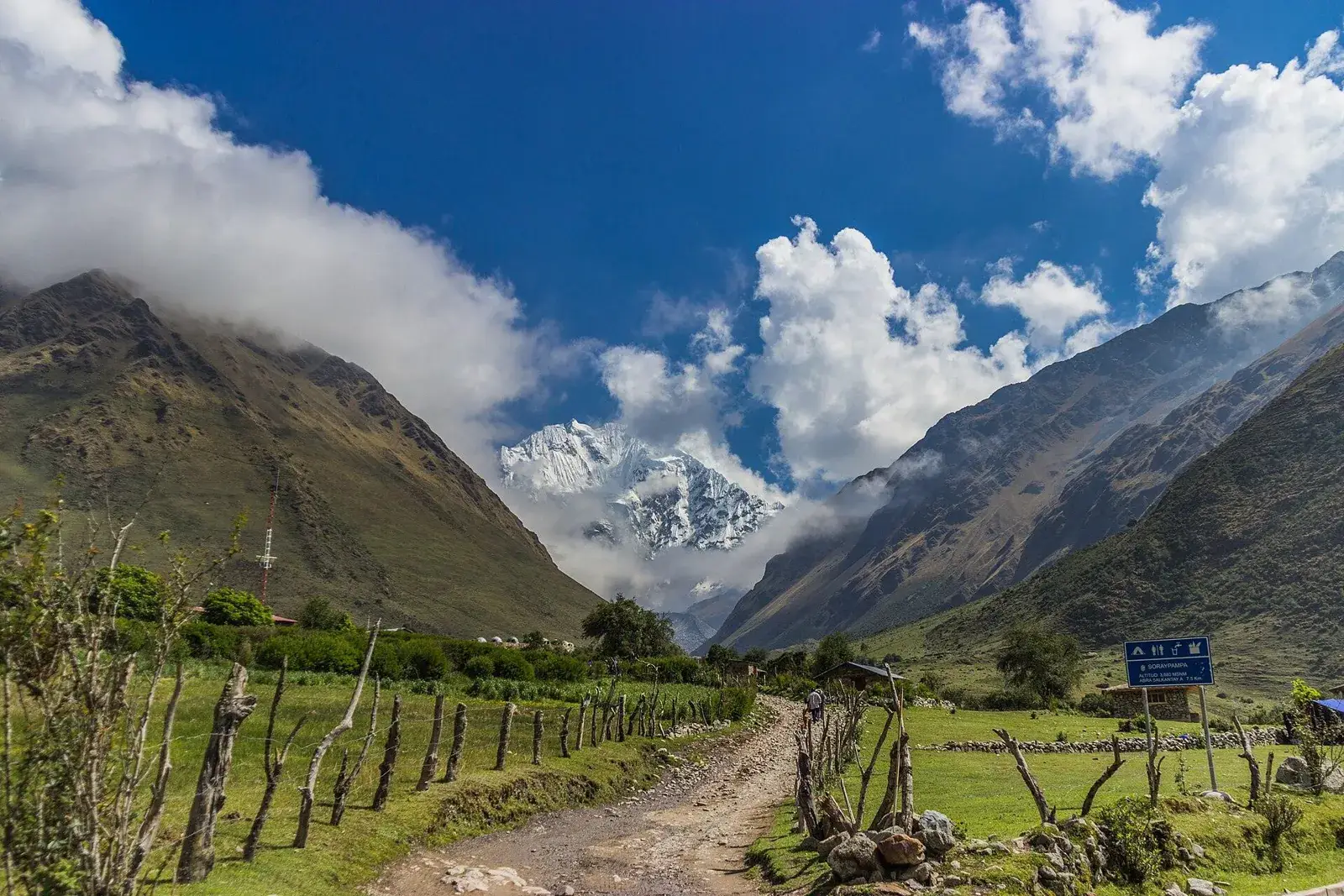
The best trekking tour depends on the traveller. For Machu Picchu with the most history, choose the Inca Trail if you can get a permit; for big mountains, Salkantay; for culture and gentler walking, Lares. For serious mountain scenery, go to the Cordillera Blanca. If you have only one day, Humantay Lake or Laguna 69 are the main options, depending on your base.
How to read these suggestions
We do not rank individual companies here. Quality changes with guides, management and season, and a name that is excellent one year can disappoint the next. What we can do is help you choose the kind of tour that matches what you want, and then give you the questions to compare operators. For the second part, see agency.
The choices below assume you have already planned time to acclimatise. Any of these is harder if you arrive at altitude without preparation.
If your priority is Machu Picchu on foot
The Inca Trail is the classic choice and the only one on original Inca roads, ending at the Sun Gate. It is limited by permits, so you must book far ahead, and it is the most regulated. The Salkantay trek offers a more varied climate and bigger mountain views with more flexible dates, though it is colder and higher on the pass day. The Lares trek is shorter in hard walking time and strong on contact with Andean communities. The Inca Jungle trek suits people who want a mix of activities rather than a long hike.
If you only want a taste, short versions of the Inca Trail and a day at Machu Picchu are available, but the fuller experience is usually the multi-day one.
If your priority is mountain scenery
The Cordillera Blanca around Huaraz offers glaciers and turquoise lakes that are hard to match elsewhere. Santa Cruz is the standard four-day route and a good first serious trek in this area. Huayhuash is longer and more demanding, for experienced walkers who want remote circuits. Ausangate near Cusco is similar in spirit, with high passes and few people, and it is best for those already used to altitude.
For a single day, Laguna 69 gives a big mountain payoff but is demanding. Laguna Churup and Laguna Parón are easier options that work well as acclimatisation days.
If you have less time or less fitness
Day hikes from Cusco, such as Humantay Lake and Rainbow Mountain, give a high-altitude view without a multi-day commitment, but they are demanding for their length and best taken after a few days at altitude. Colca Canyon offers a different kind of walk, with a descent into a deep canyon and a stiff climb out. If you are travelling with older relatives, children or people with health concerns, choose lower-altitude options and ask the operator about alternatives, horses and flexible itineraries.
Questions that separate good tours from poor ones
Whichever trek you choose, compare tours on the same few points: group size, guide experience, porter treatment, what the price includes, and what happens in bad weather or if someone is ill. Ask how the operator handles refunds if the trail is closed. Check reviews for specific, recent detail rather than a score. And compare like with like, since a cheap quote may exclude entrance fees, trains or equipment that another quote includes.
A few sample matches
A traveller with ten days, average fitness and a wish to see Machu Picchu is usually best served by Lares or Salkantay, preceded by the Sacred Valley. A keen walker with two weeks and a love of mountains could split the time between Cusco and Huaraz, doing Salkantay or Inca Trail first and Santa Cruz second. A family with teenagers might pick Lares with a train finish and keep the harder days for the adults.
For someone with five days only, the itinerary on trekking shows how to combine a day hike and a lighter walk without rushing. Anyone short of time should choose one good route rather than attempting several, since altitude and travel days take more of the schedule than expected.
How seasons change the best choice
The same route can feel quite different from month to month. In June and July, the Inca Trail and Salkantay are at their busiest and coldest at night but the views are clear. In April, May and September the paths are quieter, the weather is more variable and operators have more flexibility. In the rainy months, shorter or lower-altitude walks tend to make more sense than high passes, and the Inca Trail closes for part of the season.
If you are travelling in the wet season, ask operators about cancellation policies and what they offer if a pass is unsafe. The dry season helps with the timing; for how day tours there are normally sold, see Cusco tours.
Not sure which trekking agency to trust?
Tell our Peruvian consultant which trek you want, your dates, fitness and budget: they will point you to the operator that suits you, so you do not have to compare dozens of offers.
Frequently asked questions
What is the single best trek in Peru?
There is no single answer. The Inca Trail is the most famous, Salkantay is popular for scenery, and Santa Cruz is a favourite among mountain lovers.
Is it better to book in advance or on arrival?
Book ahead for regulated routes, especially the Inca Trail. For others, booking a few weeks ahead in high season is sensible, while flexible plans can sometimes be arranged locally.
Should I combine a trek with other activities?
Yes, but keep rest days between hard efforts. A common pattern is acclimatising around the Sacred Valley, then trekking, then relaxing.
Which trek is best for a first-timer with only a week?
Lares or a short Salkantay itinerary fit a week, if you start with two or three nights acclimatising. A day hike such as Humantay Lake can fill an extra afternoon without adding risk.
Are group tours or private tours better for trekking?
Group tours are cheaper and social. Private tours are more flexible and suit people worried about altitude, slow walkers or families, but cost more per person.
Do I need a trekking tour for Machu Picchu?
No. You can reach Machu Picchu by train and bus without trekking. The treks add days and effort, so they only make sense if you want the walk itself.
Is Huayhuash suitable for beginners?
No. It is long, remote and high, with several passes above 4,500 m. Santa Cruz is the better first multi-day trek in the Cordillera Blanca.