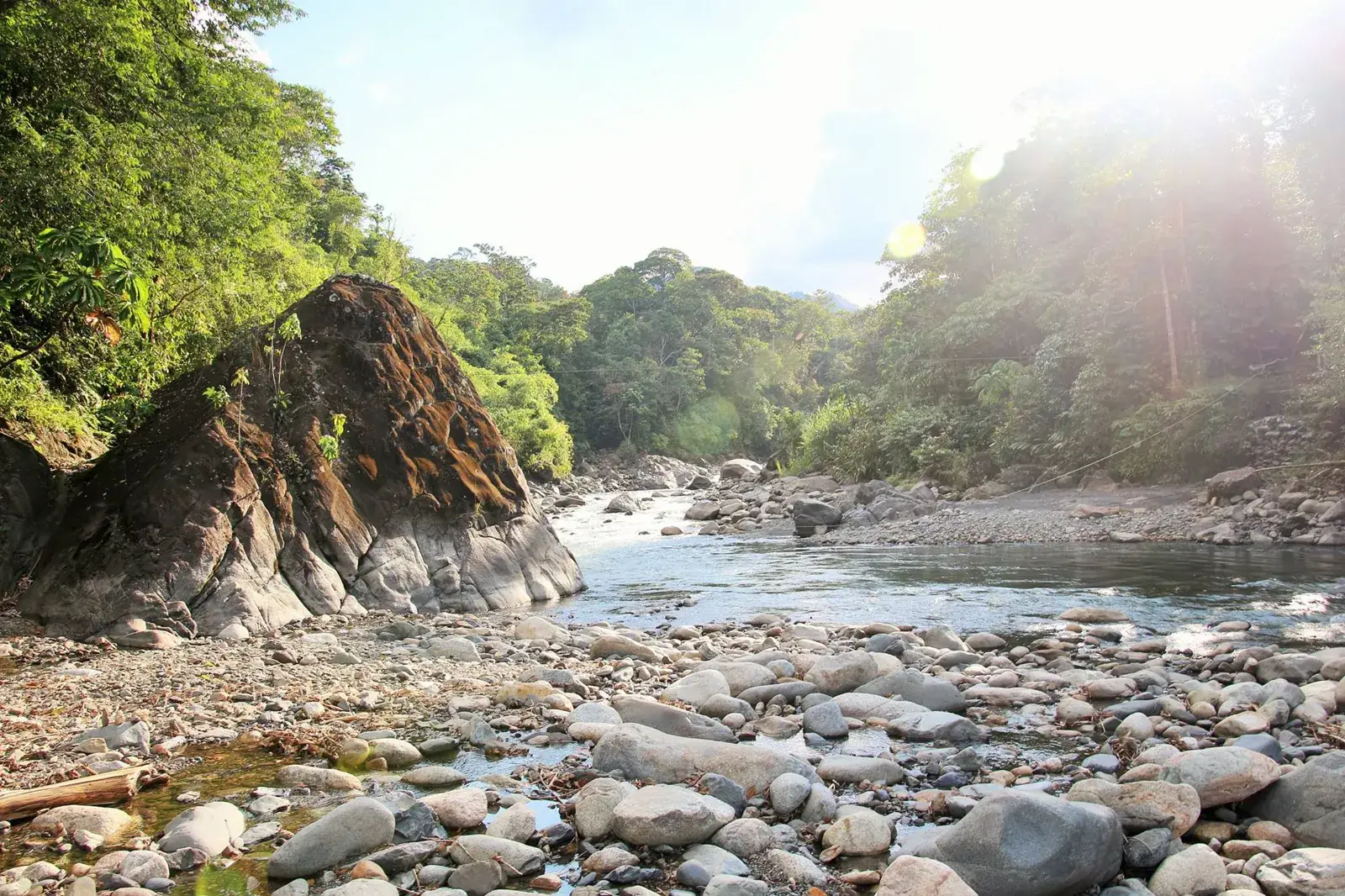
For most visitors with a short trip, Tambopata, reached from Puerto Maldonado, is the practical choice: a short flight from Cusco or Lima and a good range of lodges. Choose Manu if you have a week or more and care most about wilderness and wildlife. Choose Iquitos if you want river travel, a cruise or a more off-the-grid feel and have the time.
The criteria
Time: Tambopata fits into three to four days including travel, because Puerto Maldonado has air connections and lodges are reached by boat. Manu realistically needs a week or more, since much of the time is spent on the road and river getting there and back. Iquitos itself is reached only by air or river, and a lodge or cruise stay adds several days.
Access: Puerto Maldonado is the easiest, with flights from Lima and Cusco. Manu is reached overland from Cusco, with long journeys on mountain and jungle roads. Iquitos has flights from Lima but no road connection to the rest of Peru.
Altitude: all three are low, hot and humid, which is a relief after the Andes. The Manu route, however, descends from high altitude to the lowlands over a long road journey.
Cost level: Tambopata offers the widest range, from simple lodges to comfortable ones. Manu is generally priced at the higher end because of the remoteness and logistics. Iquitos varies from basic to premium river cruises.
Wildlife: Tambopata and Manu both offer strong birdlife, monkeys and the chance of larger species, with clay licks for macaws as a highlight. Manu is more remote and less visited. Iquitos and the Pacaya-Samiria reserve are known for river wildlife, pink dolphins and flooded forest.
Crowds: Tambopata has the most visitors but lodges are spread out. Manu has restricted access in its core zone, so numbers are low.
Season: the dry months, roughly May to October, make travel and trails easier. The rainy season brings higher rivers and more mud, and some activities change.
Risk: see the health note below.
How they differ in character
Tambopata is the accessible Amazon: lodges within a couple of hours by boat from town, guided walks, canoe trips, night walks and birdwatching. It is a good fit for families, first-timers and anyone who wants comfort and a short trip. For the reserve itself, see Tambopata, and for how to compare places to stay, see Puerto Maldonado lodges.
Manu is a protected biosphere reserve with a very high level of biodiversity and strict control over who enters the core areas. The journey is part of the experience, with a change of ecosystem from Andes to lowland forest, but it is slow and best for those who enjoy expeditions. See the Manu.
Iquitos is a large city in the northern Amazon, with a lively waterfront. From there you reach lodges or take river cruises on the Amazon and its tributaries, including the Pacaya-Samiria reserve. The scenery is vast, flat and watery, which is quite different from the southern Amazon.
Getting there and the cost of distance
Distance is the hidden cost of the Amazon. A flight from Cusco to Puerto Maldonado is short, and that is the main reason Tambopata dominates short itineraries: it can be added to a Cusco stay as a three or four-day extension without much loss. See the Puerto Maldonado for the town itself.
Manu is closer to Cusco on the map but slow on the ground, since it involves hours on twisting roads and then boats. Operators usually run fixed departures, which reduces flexibility. Iquitos is the opposite case: reachable only by air or river, it needs its own flight from Lima, and does not combine neatly with the Andes. Treat it as a separate trip leg and allow for the extra flight cost.
The Amazon itinerary shows how an Amazon section fits into a longer route.
Wildlife expectations
No lodge can promise any animal. What you can expect is a rich variety of birds, monkeys, insects, plants and, at night, frogs and invertebrates. Large mammals such as jaguars, tapirs and giant otters are rare sightings, and operators who suggest otherwise should be treated with caution.
Macaw and parrot clay licks, where birds gather at river banks, are a highlight in the southern Amazon and are well worth the early start. In the north, river dolphins and flooded forest viewed by canoe are the signature experiences. A good local guide makes more difference than the choice of region: look for one who can spot and explain, not just walk.
Bring binoculars if you have them, and keep expectations for photographs modest, since the forest is dark and animals are often high in the canopy.
Practicalities: season, health and packing
The dry months make trails firmer and rivers lower, with fewer mosquitoes in some areas, though the forest is never really dry. The rainy season brings heavier downpours, higher rivers and more mud, but also a lush landscape and, in some places, easier boat access. Heat and humidity are constant throughout the year.
Speak to a doctor or travel clinic early about vaccines and malaria precautions, since some preparations take time; see health and vaccines for the questions to ask. Pack light, quick-drying clothing, a rain jacket, insect repellent, a torch and sun protection. Luggage is often limited on small flights and boats, so ask your lodge what it allows and whether it stores bags in town.
Verdict by traveller type
Short trip, first visit or family: Tambopata.
Wildlife specialists and photographers with time: Manu.
River-cruise lovers and those looking for a more adventurous, less Andean itinerary: Iquitos.
Travellers on a tight budget: Tambopata gives the most choice, but compare what is included before booking.
The answer changes if you are already in the Cusco region and have only a few spare days, which favours Tambopata, or if you want to avoid the rainy months, when river conditions and trail access can be harder. If you are not sure the Amazon belongs in your trip at all, read is the Amazon worth it first.
Frequently asked questions
Which part of the Amazon is best for wildlife?
Both Manu and Tambopata are strong. Manu is wilder and more remote; Tambopata is easier to reach and still rewarding with a good guide.
Do I need vaccines for the Amazon?
That depends on your own health and your route. Ask a doctor or travel clinic early, as some precautions need weeks of lead time.
How many days do I need for the Amazon?
Three nights is a workable minimum for a Tambopata lodge once travel is counted. Manu is better with a week, and Iquitos with at least four or five days if you want a lodge or cruise.
Can I visit the Amazon from Cusco on a short trip?
Yes. Flights to Puerto Maldonado make a Tambopata lodge stay a natural add-on, and the Cusco to Puerto Maldonado explains the options.
Is the Amazon safe for families?
Many lodges welcome families, but suitability depends on the children's ages, medical advice and the lodge's facilities. Ask about boat safety, distance from medical care and any age limits.
What is the difference between a lodge and a cruise?
A lodge is a fixed base with day excursions; a cruise moves along the river and covers more distance. Cruises are most associated with the north around Iquitos and often cost more.
When is the worst time to go?
There is no bad month for the forest itself, but heavy rain can make some trips harder. Peak travel is the dry season, so book popular lodges ahead.