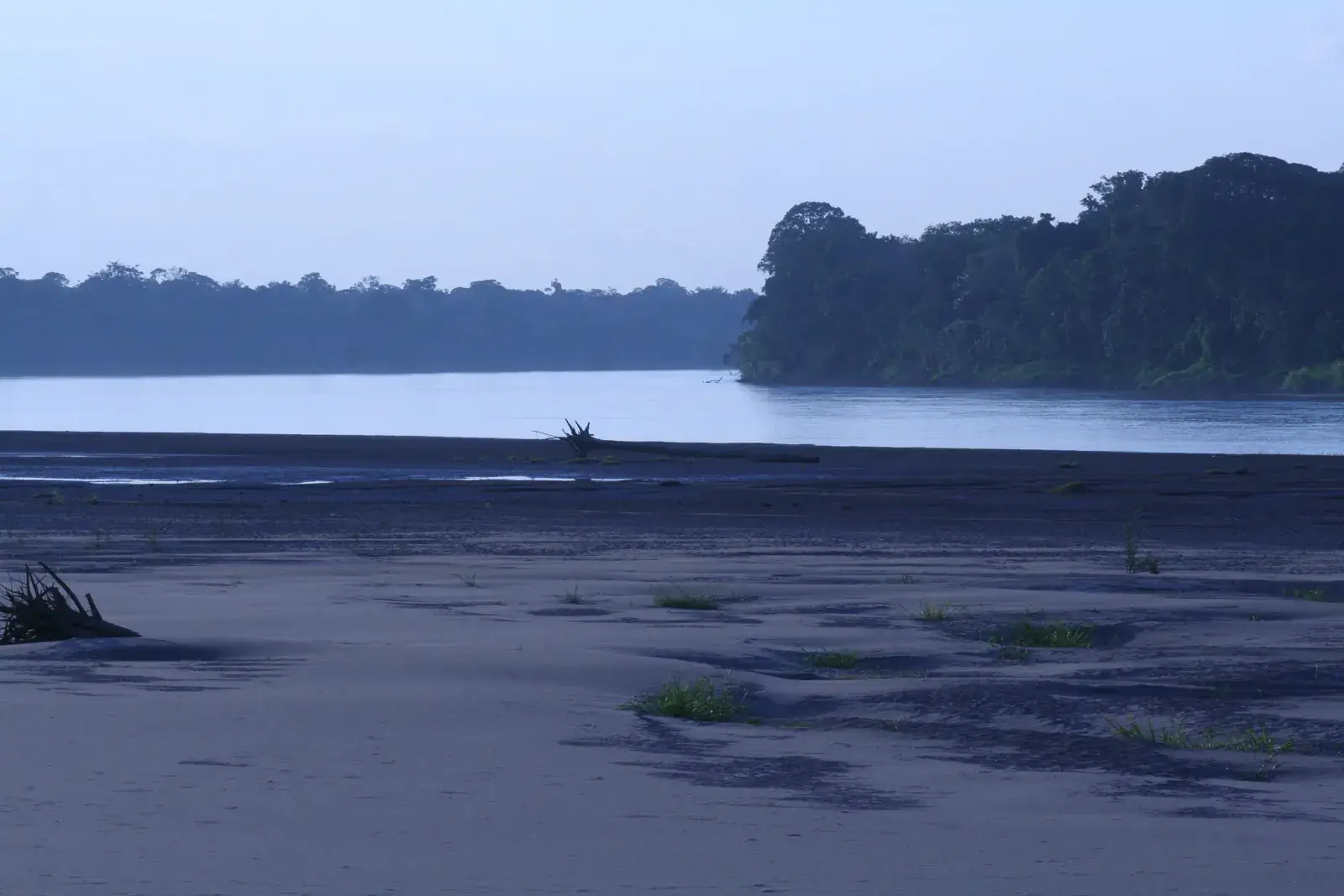
Jungle lodges near Puerto Maldonado fall into three broad types: lodges deep in the Tambopata reserve, reached by a long river journey; mid-range lodges closer to town on the Madre de Dios river; and simple budget stays near the city. The further the lodge, the better the wildlife and the higher the cost. Most trips last two to four nights and are sold as packages with transfers, meals and guided excursions.
Ask exactly how long the boat journey is and what the guides cover.
Three kinds of lodge
Lodges within the Tambopata National Reserve are the most remote. The journey starts with a transfer from Puerto Maldonado to a river port, followed by several hours in a motorised canoe, so the first and last days are largely spent travelling. In return you reach primary forest with more varied birds and mammals, and nights feel properly wild. Tambopata describes the reserve and its wildlife.
Mid-range lodges along the Madre de Dios river or its tributaries are closer to town, with shorter boat rides and a gentler schedule. They suit shorter trips of two nights, though the forest around them is more disturbed and wildlife is less abundant. Budget options near the city offer basic rooms and day excursions, and are good for travellers on a tight timetable who still want a first taste of the Amazon.
For the town itself, including the airport and where to eat, see Puerto Maldonado.
What a typical stay looks like
Days begin early, because birds and animals are most active at dawn. Typical activities include a forest walk with a guide, a canoe trip on an oxbow lake to look for giant otters or caimans, a visit to a canopy tower, a night walk and a clay lick where macaws and parrots gather to eat clay, a sight that depends on season and weather. Rooms are usually simple, with mosquito nets, shared or private bathrooms and electricity for some hours of the day.
Expect heat, humidity and rain at any time of year, so bring quick-drying clothes, insect repellent and a good rain jacket.
Meals are usually included and served at set times, often as a buffet or a set menu. Tell the lodge about dietary needs when you book. Food in the Amazon describes what regional dishes you may meet, from river fish to forest fruits.
Questions to ask a lodge
Ask how long the transfer takes from Puerto Maldonado, whether it is by road, by boat or both, and what time you arrive and leave. Ask what the guides specialise in, how many people each guide takes, and whether the guides speak your language. Check which activities are included, whether the canopy tower and clay lick visit are guaranteed or depend on conditions, and what the lodge does about waste and community benefit.
Find out about the food, the bedding and mosquito protection, and the arrangements for charging devices. Also ask about cancellation if a flight or the weather disrupts the plan. For general advice on what to discuss with a doctor in good time, see health and vaccines.
When to book and travel
The drier months, roughly from May to October, make travel and walking easier and are the busiest period. The wetter months bring heavier rain, higher rivers and more insects but also fewer visitors. Lodges in the reserve often sell packages with fixed arrival days, so book ahead for the dry season and check the arrival day before you buy flights.
Most visitors reach the town by air, a short flight from Cusco or Lima, and the road journey from Cusco is long. Cusco to Puerto Maldonado compares the two. Allow a spare day at each end of the trip, because flights to the Amazon can be delayed by weather.
Choosing between the Amazon regions
Tambopata is one of the most accessible places in Peru for a short Amazon stay, with flights from Cusco and a good choice of lodges. If you have more time and a bigger budget, Manu National Park offers more remote forest, but takes longer to reach. Iquitos in the north provides river cruises and a different, flooded-forest experience.
The comparison of where to go in the Amazon weighs these regions against each other, and the Peru and the Amazon itinerary shows how to add a jungle stay to a southern circuit. If you are unsure that a jungle stay is for you, read is the Amazon worth it before committing.
Packing and responsible choices
Pack light, long-sleeved clothing that dries fast, closed shoes or rubber boots, a head torch, repellent, a rain jacket and a dry bag for electronics. Lodges often provide boots and ponchos, so ask before buying. Keep medicines in a waterproof bag.
When choosing, look for lodges that employ local staff, support nearby communities and avoid feeding or handling wildlife. Read recent independent reviews, ask for a written itinerary and make sure the price includes the reserve entry fee if one applies. A tour operator that is clear about these details is usually a better sign than a cheap headline price.
Where to sleep
-
Puerto Maldonado
Gateway town for the southern Amazon lodges
A river town with a plaza, restaurants and the port where the lodge boats leave. A practical night before or after the jungle, and handy for the airport.
Keep in mind: Not much to see, hot and noisy with motorbike taxis. Most lodge transfers leave early in the morning.
Find hotels → -
Tambopata
Jungle stays in or near the reserve
Lodges in or near the Tambopata reserve, usually with a boat transfer, full board and guided excursions included for a stay of a few nights. Wildlife such as macaws, monkeys and caimans is the draw.
Keep in mind: They are remote, and what is included varies from one lodge to the next, so compare the inclusions and not only the price.
Find hotels →
Hotels on the map, with prices
Frequently asked questions
How many nights should I stay?
Two nights is the minimum for a reasonable experience, and three or four allow more time deeper in the forest.
Can I visit the jungle without a lodge package?
You can do day trips from Puerto Maldonado, but wildlife is best seen from lodges inside the reserve.
Do I need malaria tablets?
This is a medical question. Ask a doctor or travel clinic in good time before you travel.
Will I see jaguars?
Very unlikely. Sightings of big cats are rare, and guides cannot promise them. You are far more likely to see monkeys, macaws, caimans, capybaras and a wide range of birds.
Is a jungle lodge suitable for children?
Many lodges welcome families, but the long boat journeys, heat, insects and health precautions need careful thought. Check minimum ages and speak to a paediatrician or travel clinic before booking.
Is there mobile signal and electricity at the lodges?
Remote lodges often have no mobile coverage and electricity for a few hours a day, usually from generators or solar panels. Ask about charging points and bring a power bank.
What happens if my flight is delayed?
Weather can delay or cancel flights to the Amazon. Build a spare day at each end of the trip and check the lodge's rules on late arrivals and refunds.