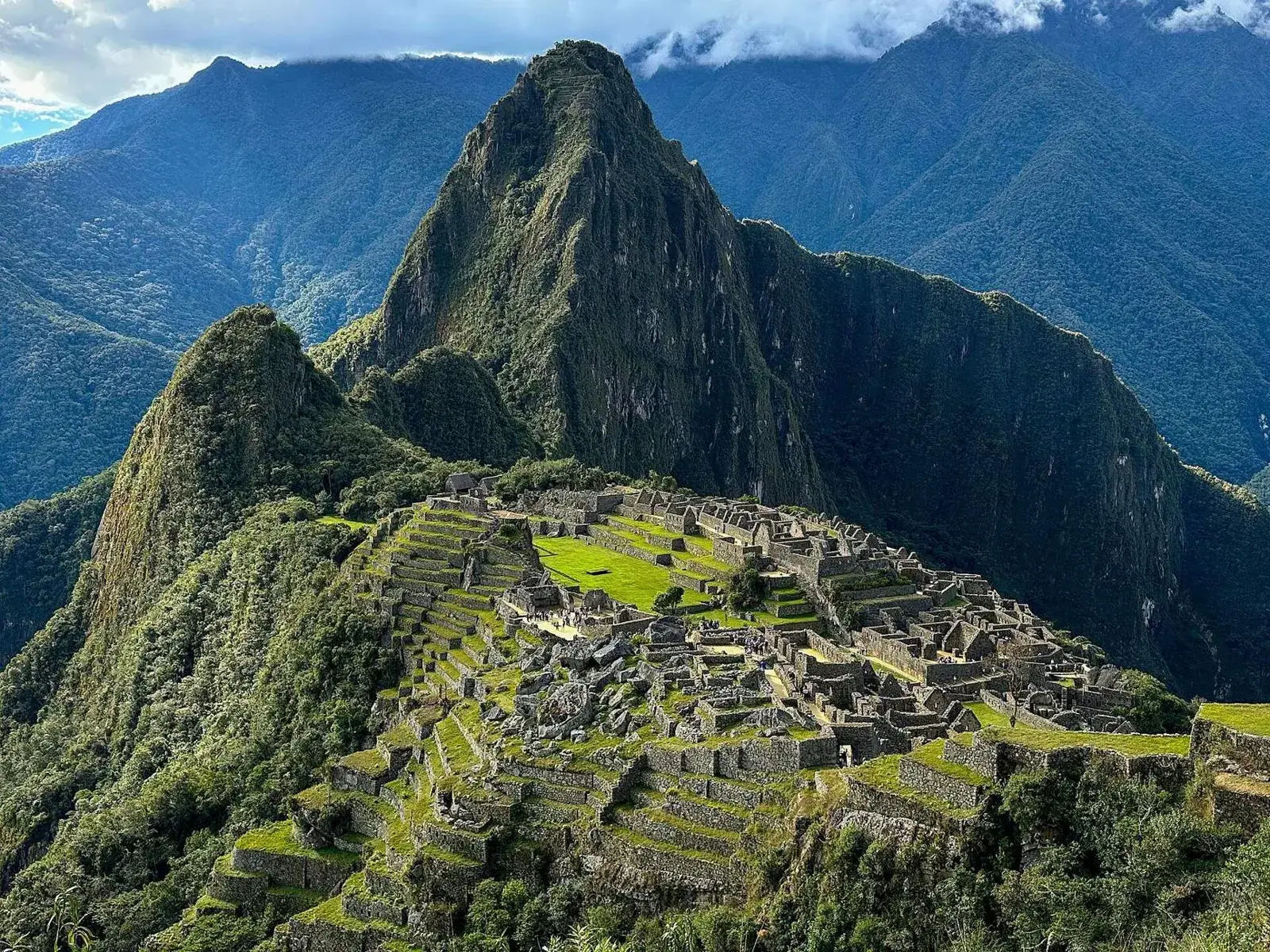
For most visitors Machu Picchu is worth it, mainly because of the setting: a stone citadel on a ridge among cloud-covered peaks. It is less rewarding if you dislike crowds, rigid rules or planning in advance. The experience depends on timing, expectations and how you arrive.
If the logistics are what put you off, consider a trek or an early entry rather than skipping it.
What it delivers
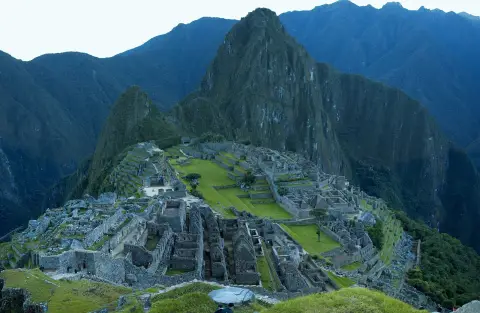
The strength of Machu Picchu is the combination of precise Inca masonry with a landscape that seems almost staged: steep green mountains, a river curling far below and clouds drifting through. Walking among the terraces and temples gives a sense of scale and of engineering that photographs only partly convey. Many people report that the first view from the upper terraces is the moment they remember, even if they thought they were prepared for it.
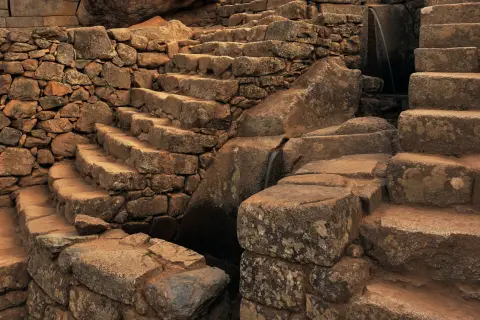
The site also rewards slow looking. The stones fit without mortar, the terraces follow the contours with great accuracy, and the water channels still work in places. A good guide explains how the builders organised the work and why the site is oriented as it is. If you have even a passing interest in history, engineering or landscape, those details turn a photograph into a place. For the main sights, see Machu Picchu.
What may disappoint
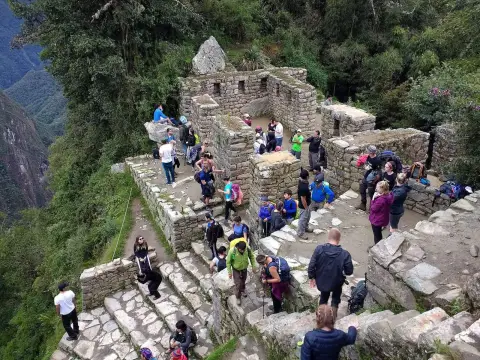
The site is popular and managed, and that shows. There are queues for the bus and the viewpoints, one-way routes, guards with whistles and a steady flow of groups. Bad weather can hide the view entirely. The cost of reaching it is high relative to other sites in Peru. Visitors expecting a quiet, solitary ruin may feel hemmed in, especially in the middle of the day.
Other complaints are practical: the early starts, the time spent on trains and buses, and the pressure of a timed ticket. Some visitors also find that the guided pace leaves too little time for the corners they want to see. For when the site is calmest, see crowds, and for the restrictions that cause the most grumbling, so that you can decide with open eyes, see rules.
Tours and activities
Bookable online, chosen for their traveller reviews.
-
★ Top rated From €49 per person
Machu Picchu
Machu Picchu Entry Ticket for Circuit 1, 2 or 3
-
★ Top rated From €23 per person
-
From €178 per person
Machu Picchu
Private Machu Picchu Tour with Guide, Entry and Bus
-
★ Top rated From €22 per person
How to improve the odds
A few choices make a big difference. Enter early or late in the day, when crowds thin. Sleep nearby so you are not racing a train. Choose a circuit that includes the classic viewpoint. Go with a guide who can interpret the site beyond the facts. Consider a longer approach, such as a trek, which turns the visit into an arrival rather than a stop. And allow a spare day so that a bad-weather morning does not decide the whole trip.
If time and budget are tight, remember that the Sacred Valley has sites that are cheaper, less crowded and almost as photogenic. Sunrise explains what an early entry can and cannot give you.
Who might skip it
Travellers on a very small budget, those with only a few days in Peru, and people who dislike organised visits may reasonably prefer other places such as the Sacred Valley ruins, Choquequirao, or the colonial towns. People with mobility problems should read the accessibility and decide with realistic information. Everyone else, especially anyone interested in history or landscape, is likely to find the trip worthwhile.
Skipping the site is a legitimate choice. A week in Peru devoted to Lima, Arequipa and the Colca Canyon, or to the Amazon, can be just as memorable, and cheaper. What matters is that the decision is made deliberately, not because of a rumour about crowds. For a broader view of which places repay the effort, see overrated attractions.
How it compares with the alternatives
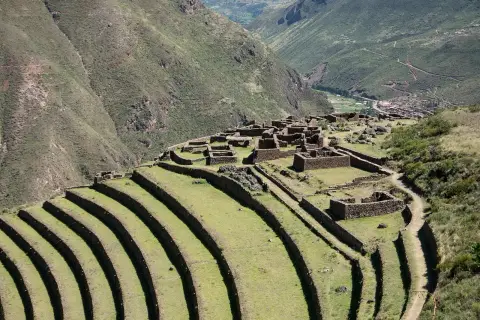
Within the region, the Sacred Valley offers Ollantaytambo, Pisac, Moray and the salt pans, all of which have impressive stonework and fewer visitors. They have a very different character: Ollantaytambo is a fortress and a living town, Pisac a market and a hillside citadel. None has Machu Picchu's setting or its completeness. If you can only do one, the citadel is the stronger experience; if you have time, combine it with one or two valley sites.
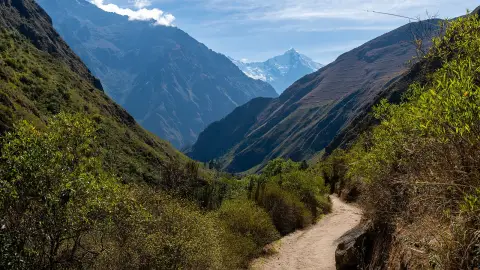
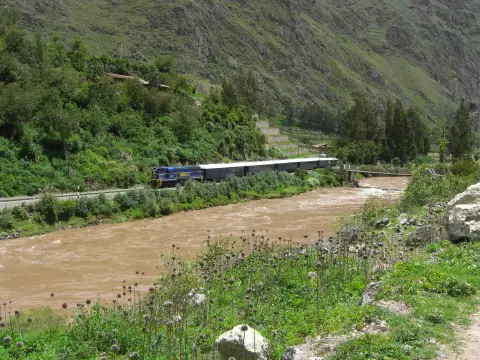
The choice of how to arrive also matters. Machu Picchu by train or trek compares the easy and the demanding way in. A multi-day approach on the Inca Trail or a similar route makes the arrival feel earned, but demands more preparation, fitness and money.
The cost-benefit view
Think of the visit as a day of high value with a high entry price. The tickets, train and bus are not cheap, but they pay for a place that is protected, maintained and carefully managed. Most visitors who plan well report that the value is there; those who arrive without a plan, in the middle of the day, with a delayed train, are more likely to feel they overpaid.
Set a budget using the cost, compare it with what else you might do with the money, and then decide. If the answer is yes, book early and pick the window and circuit with care. If the answer is maybe, a night in the valley and an early entry are the cheapest ways to turn a maybe into a yes.
Honest verdict by traveller type
A first-time visitor with three or more days in the Cusco region should go, and should plan it well. A photographer or history lover should go early and take a guide with real knowledge. A family with children who can walk for a few hours will usually find it rewarding, as discussed in visiting with kids. A hiker should consider walking in.
A traveller who has already seen several major ruins and wants peace may feel the cost outweighs the benefit, and a visitor with a very tight budget may do better in the valley. None of these is wrong. The aim is to remove the surprise: the site is spectacular, managed and busy, and it is usually worth the effort when you arrive with a plan and a margin for the weather.
Where to sleep
-
Find hotels
Aguas Calientes
Sleep at the foot of Machu Picchu for an early entry
-
Find hotels
Ollantaytambo
Early trains to Machu Picchu and a walkable old town
-
Find hotels
Plaza de Armas and historic centre
Everything on foot, at the price of noise and crowds
-
Find hotels
San Blas
Artisans' quarter with steep lanes and views, a short walk uphill
-
Find hotels
All of Cusco
Compare every area and price level in one search
Frequently asked questions
Is it overrated?
It is crowded and costly, but the setting and the architecture justify the reputation for most people.
Is it better to trek in?
A trek adds effort and cost but changes the experience from a visit into an arrival. It suits keen walkers.
Can I skip it and see other ruins?
Yes, the Sacred Valley and other sites are rewarding, but they are different in scale and setting.
Is Machu Picchu worth it with only a few days in Peru?
Often yes, if you can organise it in two days from Cusco. If your time is very short, a focus on Lima and one other region may be a better fit.
Is it worth it in the rainy season?
Yes, with expectations adjusted. The site is greener and quieter, but cloud can hide the view for hours, so allow a spare day.
Is a guide worth the cost?
For most visitors, yes. A good guide gives the site meaning and, since a guide is generally required, hiring one in advance gives you more control.
Will crowds ruin it?
Rarely, if you choose an early or late window and accept the one-way route. The experience is worst at midday in the dry season.