Seven days lets you stay in the Cusco region at a comfortable pace: arrive in Lima, fly to Cusco, spend two nights in the Sacred Valley, one night near Machu Picchu and two in Cusco. It is better than the 5-day version because the altitude is gradual and Machu Picchu has slack in it.
If you want a second region, a short Lima stay is the only realistic addition.
How this differs from the 5-day route
The 5-day route is a single line through the Cusco region with no spare time. The 7-day route uses the two extra days differently: it adds a second night in the valley, which spreads the climb in altitude, and a night near Machu Picchu, so the visit can start early or end late. It also gives Cusco two nights, which allows a day for the city and the hill ruins instead of a half afternoon.
There is only one flight into the mountains and one out. Everything else is by road or train, which keeps the schedule predictable. The route is also the one that most travellers deciding how many days to spend end up choosing when they have exactly one week and want one region done well.
Booking order for a week in the Cusco region
With seven days you have some room, but not enough to ignore the capacity limits. Secure the Machu Picchu ticket and train seats first, because the whole schedule hangs on that date; see Machu Picchu tickets to understand how the entry slots and circuits work. Then book the flights between Lima and Cusco, and last the hotels.
Decide early whether you want the night in Aguas Calientes. It is not essential, but it makes the Machu Picchu day gentler, and the best rooms and the early trains fill first. A flexible rule is to fix the Machu Picchu day on day four or five, which leaves one or two valley days before it and a cushion of Cusco days after it, so a delayed train does not wreck the flight home.
Day 1: Lima
Arrive, sleep and keep the evening free. If you arrive early, a short walk along the clifftop in Miraflores and an early dinner is enough. Do not plan more than that: the next day starts with an early flight.
If your international flight lands late at night, ask the hotel for a transfer from the airport rather than hailing a taxi at the kerb; see Lima's airport transfers for the usual options. Sleeping close to the airport can make sense when the morning flight is very early, but the clifftop districts are far more pleasant if you have the energy for a dinner.
Days 2 and 3: the Sacred Valley
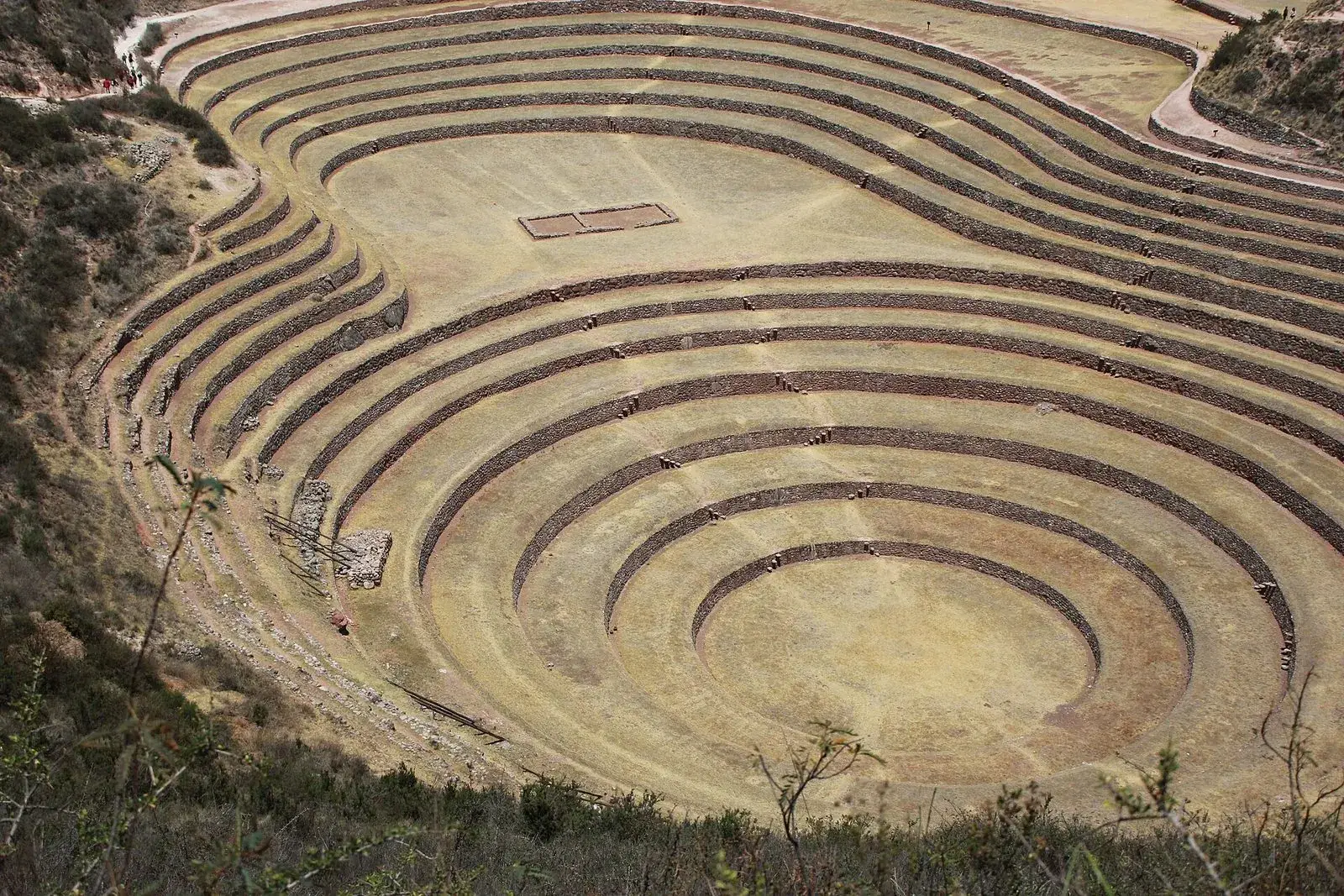
Fly to Cusco in the morning and go straight down to the valley. Choose a base such as Urubamba or Ollantaytambo and spend the first afternoon doing very little. The second day is for the valley itself: the terraces at Moray and the salt pans at Maras, or the market and ruins at Pisac, taken one at a time with a driver or a guide. Pick one or two sights, not four.
The valley is lower than Cusco, so sleeping here for two nights prepares you for the capital without forcing a hard first night. The Sacred Valley compares the bases, and Moray is a useful starting point for the circular terraces. If you travel with someone who tires easily, choose the base with the shortest drive from Cusco airport and let the sights come second.
Day 4: Machu Picchu
Take the train from the valley to Aguas Calientes, then the bus up to the ruins with a ticket for a time that suits you. Visit in the morning if you can, when the light is soft and the group tours are still gathering. Sleep in Aguas Calientes, so you are not forced to catch the last train back and can see the site again at a quieter moment or visit the hot springs and the town.
Booking train tickets and the entrance ticket should be the first reservation you make for this trip. For the stations and the luggage limits on the trains, see trains to Machu Picchu, and for what the town offers for an overnight stay, Aguas Calientes. Keep a small bag for the night and leave the heavy case at your valley hotel or with the train company if it offers storage.
Day 5: a second look, then Cusco
If you slept in Aguas Calientes, the morning of day five is the optional second visit: a slow walk in the early light, or a short trip to the viewpoints that did not fit the day before. Do not assume a single ticket covers two entries.
Take the train back and travel on to Cusco by road, arriving in the afternoon. The first evening is a walk around the Plaza de Armas and the lanes of San Blas. Keep dinner simple and go to bed early. This is the first night above the valley, and even well-adapted travellers can find it a little thin on oxygen.
Day 6: Cusco properly
Spend the morning at Sacsayhuamán and the nearby ruins, when it is clearest, and the afternoon in the Qorikancha, the cathedral and the San Pedro market. Start with the hill ruins because they are the most tiring part of the day and the weather is calmer early.
By now the altitude should feel manageable, and you can enjoy the steep streets instead of fighting them. For the sights and the practical districts, see Cusco, and the notes on the things to do help you choose between a market, a museum and a long lunch if you have only a few hours free. Leave the evening open, since the day has been full.
Day 7: fly home
Fly from Cusco to Lima early and connect to your international flight. Leave a generous margin for the connection and, if possible, buy both flights on a single ticket. The Cusco morning flight is usually the most reliable option because the weather tends to be calmer early in the day.
If your long-haul flight leaves very early the next morning, spend the last night in Lima instead; that makes day seven a relaxed Cusco morning with an afternoon flight. The 10-day route is the better choice if you would rather add Arequipa than a second Cusco day.
Frequently asked questions
Why sleep in the Sacred Valley before Cusco?
The valley is lower, so the body adapts more gently. It also puts you close to the Machu Picchu train.
Can I add Arequipa to this route?
Only by dropping the second valley night and one Cusco night. Seven days is already full for one region.
Is a night in Aguas Calientes necessary?
No, but it relieves the schedule and makes it possible to visit early or late. Many travellers consider it worth the extra night.
Is seven days enough for Machu Picchu and Rainbow Mountain?
It can be, if you keep Rainbow Mountain for the Cusco days after you have slept at height for several nights. Do not place it on the day after you arrive.
Should I stay in Cusco or the Sacred Valley for most nights?
The valley for the first nights is gentler and quieter, while Cusco suits the last nights because of its restaurants and its flights home. The route here uses both for that reason.
What if my Machu Picchu ticket is for a different day?
Shift the order, not the length. Move the valley nights before or after the ticket date and keep Cusco at the end, since the flight home is easiest to leave from there.
Can I do this route with children?
Yes, with a lighter schedule and shorter days at each site. Family travel and Machu Picchu with children cover what to adjust.