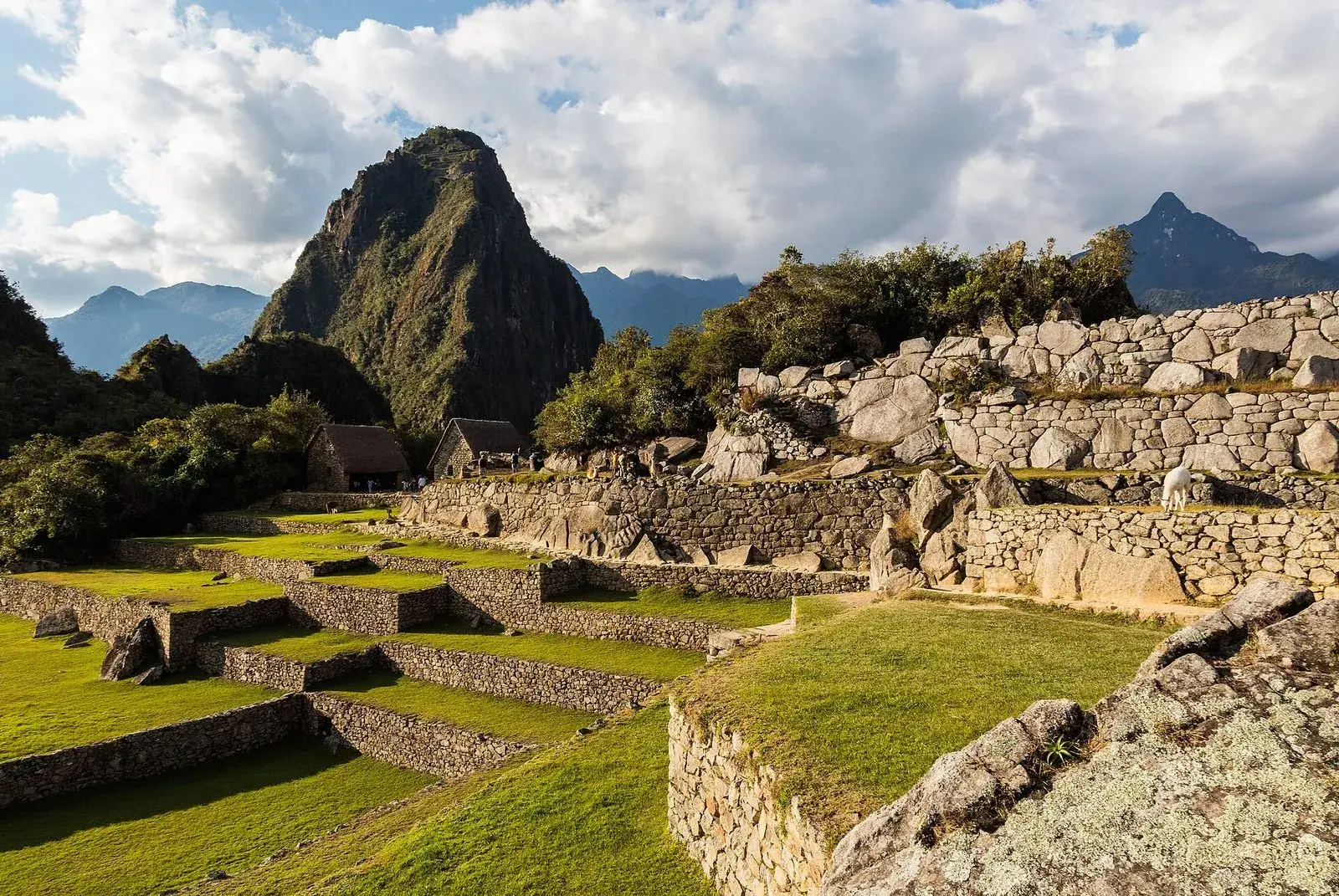
In five days, do one region well: fly to Cusco, sleep in the lower Sacred Valley, visit Machu Picchu on day three or four and fly out from Cusco. Give Lima only the arrival night or nothing at all.
This route trades variety for comfort. It is demanding on logistics, so it works best with flights booked in advance and no spare day to lose.
The logic of this route
Five days does not allow a tour of Peru, so this itinerary does not try. It uses one corridor: Lima, Cusco, the Sacred Valley and Machu Picchu. The key design choice is to sleep in the Sacred Valley first, which lies lower than Cusco, and to see Cusco itself at the end, when you have adapted.
International flights usually arrive in Lima in the evening or at night, so day one is mostly an arrival. If your flight lands early in the morning, you can take a domestic flight to Cusco the same day and gain half a day, but the first day then needs to be very light. Why five days is not really five explains the arithmetic behind this choice, and the 7-day route shows what two more days buy.
What to book first
The order of booking matters more on a short trip than on a long one, because there is no slack to absorb a sold-out day. Start with the pieces that have limited capacity: the Machu Picchu entry ticket and the train seats, which both sell out in high season. Machu Picchu tickets explains the types and how the timed entry works, and trains to Machu Picchu covers the services and stations.
Next come the two domestic flights between Lima and Cusco, then the hotels, which are the easiest item to find at short notice. If you cannot get a ticket for the day you planned, move the whole route by a day rather than shortening the visit. A route built around one fixed date is fragile, so choose the Machu Picchu day first and count the other days backwards and forwards from it.
Day 1: arrive in Lima, or go straight on
Arrive, rest and sleep near the airport or in Miraflores. This night is a buffer: it protects the rest of the trip from a late arrival, and it avoids landing in Cusco in the dark. If you want to save the night, ask for the earliest domestic flight to Cusco the next morning, since the mountain weather is usually calmest early.
If you arrive in Lima in the morning and continue to Cusco, take a taxi from Cusco airport directly to the valley rather than stopping in town. Eat a light lunch and rest. The Lima to Cusco journey compares the flight with the long bus, which is not realistic on a five-day trip.
Day 2: fly to Cusco and go down to the Sacred Valley
Fly to Cusco in the morning, then go directly to the Sacred Valley by road. The transfer takes roughly one to two hours depending on the town, and the valley floor is several hundred metres lower than the city, which many people find a gentler start. Spend the afternoon walking slowly around Ollantaytambo or another valley town, drink water and keep dinner light.
Ollantaytambo is a practical choice for the night, because the train to Machu Picchu leaves from nearby and you avoid a long road transfer before the early train. Its Inca streets and the fortress above the town are also close enough to see without any hard walking. If you prefer more hotels and restaurants to choose from, the wider Sacred Valley has other bases, but check the distance to the station before you book.
Day 3: Machu Picchu
Take the train from the valley to Aguas Calientes, then the shuttle bus up to the site, with a timed entry ticket booked well ahead. Allow two to four hours inside, and keep a walking pace that suits the stairs and the sun. In the afternoon, return by train to the valley or stay a night in Aguas Calientes if the schedule allows, which makes the visit less rushed.
Tickets, circuits and train seats sell out in high season, so buy them before booking the hotels, not after. Bring your passport, because the entrance ticket is checked against it, and carry only a small bag, since larger luggage is not allowed inside. Further on, how many days to give Machu Picchu shows why a single day is possible but tight.
Day 4: Cusco
Go from the valley to Cusco, drop your bags and walk. The Plaza de Armas, the cathedral, the Qorikancha and the artisan streets of San Blas fill an afternoon at an easy pace. Go to bed early if the air still feels thin.
If you stayed in Aguas Calientes, this day is mostly transport: train, then road, and arrival in the afternoon. In that case, keep Cusco to a gentle evening walk. Cusco lists what is worth seeing if you have a spare morning, and the steep streets are easier now than they would have been on day two, which is the whole point of the order.
Day 5: fly out
Fly from Cusco to Lima, and then on to your international flight. Leave a long margin between the two flights, and book them as a single ticket where possible, so a delay on the first one is covered by the airline. Schedule the domestic flight in the morning, with an international departure in the evening or later.
If your international flight leaves early the next morning, it is safer to spend the last night in Lima than to fly on the same day. For why morning departures are more reliable, see flights in Peru, and the 10-day route is the next step up if you find five days too cramped once you see it on paper.
Who this route suits, and what to change
This plan suits travellers who want one great site and are content to leave the rest for another visit. It is a poor fit if you dislike early starts, if you are nervous about altitude, or if you cannot move the dates when a flight or ticket is unavailable.
There are three sensible changes. If you have no interest in Cusco's churches and markets, swap day four for a second valley day with a different base. If Machu Picchu tickets are sold out for your dates, shift the route rather than dropping the site. If you are travelling with children or older relatives, add a night in the valley before the train, which lets the visit start later and calmer. What you should not do is add a trek, a second city or a high-altitude excursion; see how many days to spend for where each of those needs its own time.
Frequently asked questions
Is five days enough for Machu Picchu?
Yes, if you accept that it is the main goal. Machu Picchu is a half-day visit, but getting there and back uses most of two days.
Should I skip Lima on a 5-day trip?
Often yes. Use Lima as an arrival night only and fly straight on to Cusco the next morning.
Can I add a trek?
Not safely. Multi-day treks need acclimatisation days and a reserve day for weather, which five days cannot hold.
Do I need to book Machu Picchu before the flights?
Book the ticket and train first if you can, because they have limited capacity. Flights between Lima and Cusco are frequent, so they are easier to move around a confirmed Machu Picchu date.
Is it better to sleep in Cusco or the Sacred Valley first?
The valley, because it is lower and the transition is gentler. Sleep in Cusco on the last night, once your body has adapted.
Can I do Machu Picchu as a day trip from Cusco in five days?
It is possible by train, but the day is very long and leaves no margin if a service is delayed. A night in the valley or in Aguas Calientes makes the visit much calmer.
What if my flight into Lima arrives late at night?
Sleep in Lima and take a morning flight to Cusco the next day. Do not try to catch a night connection; the extra hours of rest are worth more than the time saved.
Is five days enough for Rainbow Mountain as well?
No, not comfortably. It is an early start at about 5,000 m and needs adapted lungs, so it fits better in a seven-day or longer trip.