Ten days is the first length at which a second region fits comfortably. A good route is Lima, Cusco and the Sacred Valley with Machu Picchu, then a flight to Arequipa and a two-day Colca Canyon trip, and a flight home from Arequipa or back through Lima.
The design principle is to keep one base per two to three nights and to place the highest sleeps after you have spent time at moderate altitude.
The design: three regions, two internal flights
This route has three regions: Lima, the Cusco area and Arequipa with the Colca Canyon. It uses internal flights to connect them, so no day is lost to a night bus. The order matters. Cusco comes before Arequipa because Machu Picchu is the main reason most people visit, and a delay in the mountains is easier to absorb early. Arequipa, at a lower altitude than Cusco, is a useful place to recover before the canyon trip.
The route differs from the 7-day version by adding a different landscape, a volcano-and-canyon region, not by lengthening the stay in Cusco. If you are still deciding between lengths, how many days to spend in Peru shows what each one buys.
Booking order and the two internal flights
Three things have limited capacity: the Machu Picchu entry ticket, the train seats and, in the dry season, the best canyon hotels. Book the first two as soon as your dates are firm, using Machu Picchu tickets as a guide. Then buy the Lima to Cusco and Cusco to Arequipa flights, and finally the hotels.
Flights between Cusco and Arequipa are not as frequent as those between Lima and Cusco, so fix the route around the days when flights run; if the direct flight does not fit, you may need to route through Lima, which costs a good part of a day. A useful trick is to look at the Arequipa leg first and build the Cusco days around it. Flights in Peru explains how the domestic network works and why morning departures are safer.
Days 1 to 2: Lima
Spend the first day recovering from the flight and walking around Miraflores and Barranco. The second day is for one museum or archaeological site and a long lunch, since Lima is known for its food. Both days are at sea level, which keeps the start easy.
If you must choose, see Lima for the districts and the order in which to see them. The second day is also a chance to buy a local SIM or eSIM and to change a little money, which makes the rest of the route smoother. Do not leave the second evening empty: an early night before the morning flight to Cusco is the useful kind of rest.
Days 3 to 6: the Sacred Valley and Machu Picchu
Fly to Cusco on the morning of day three and go straight to the valley. Sleep in the valley for the first two nights, with a light first afternoon and one valley day with a couple of sights. On day five take the train to Aguas Calientes and visit Machu Picchu, sleeping there or returning in the evening.
On day six, return to Cusco by road, check in and walk slowly around the centre. This arrangement puts you in Cusco, the highest sleep of this part of the route, only after three nights of adjustment. To pick a base, see the Sacred Valley; trains to Machu Picchu explains the stations and the seat types.
Day 7: Cusco, then fly to Arequipa
Use the morning for the part of Cusco you have not yet seen, such as the Qorikancha or the San Pedro market, then take an afternoon flight to Arequipa. A direct flight exists on this pair, but it is less frequent than the Lima flights, so fix the dates around it. If there is no suitable flight, go via Lima or take a long bus ride, which would cost most of a day.
Land with enough light to walk to the main square and eat in the evening. For what is closest to the centre if you have only a morning, see Cusco; Cusco and Arequipa explains why many travellers feel the second city is calmer and easier to enjoy after the first.
Days 8 to 10: Arequipa and the Colca Canyon
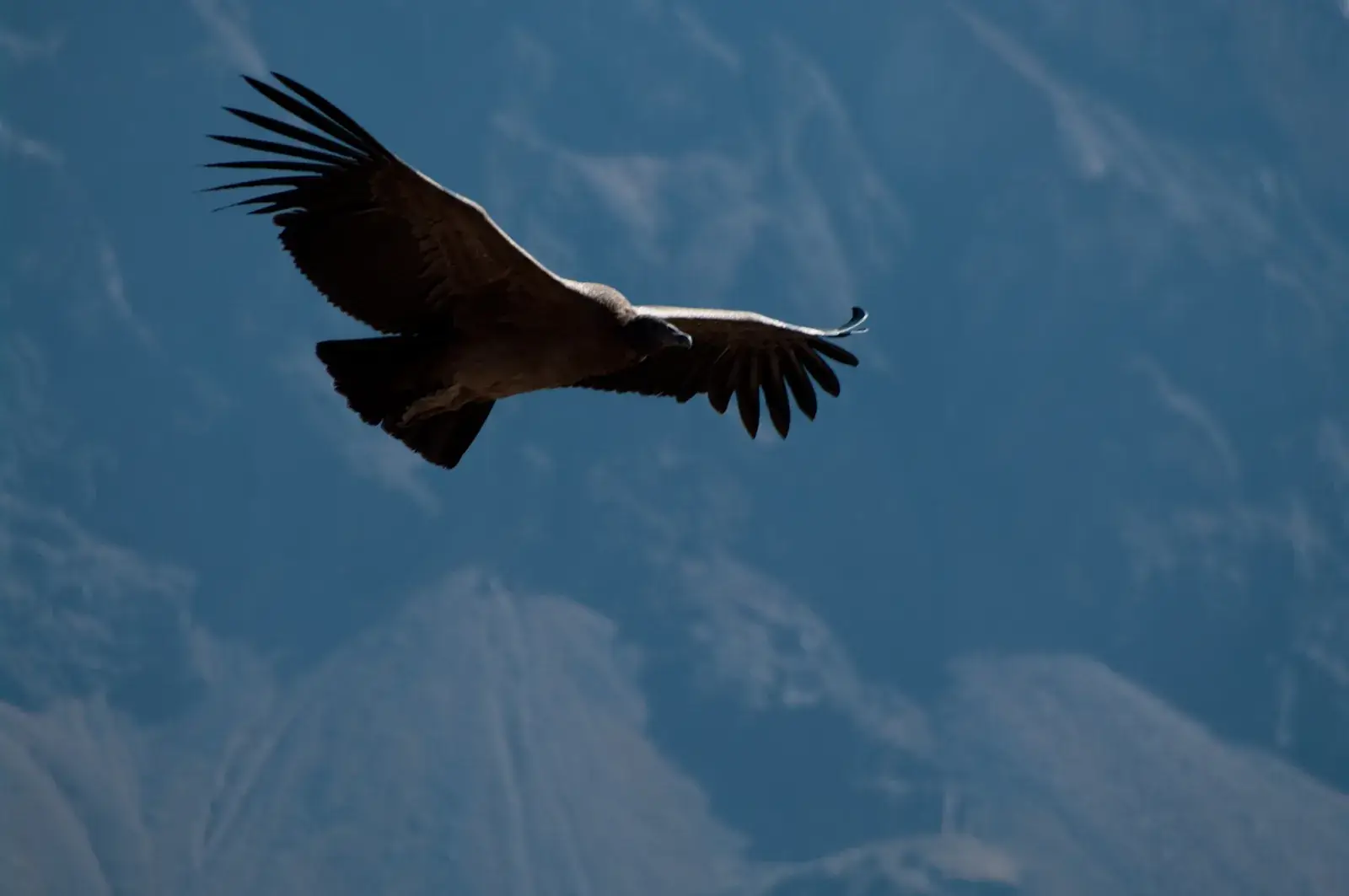
Day eight is for Arequipa itself: the white-stone historic centre and the Santa Catalina monastery, in an unhurried day. On day nine, leave early for the Colca Canyon, with stops on the way for views and wildlife. A one-night tour with a stay in a canyon village is the most practical format, and it sees the condors at the Cruz del Cóndor viewpoint in the morning, which is when they are most often active.
Return to Arequipa on day ten and fly home in the evening, through Lima. Leave more than a few hours between flights, and avoid making the international departure the same afternoon as the canyon return. For the tour formats, see Colca Canyon; a tour or going independently helps you decide how to go.
Who this route suits, and what to cut
Ten days suits a traveller who wants Machu Picchu and one contrast. It works for couples, friends and solo travellers who are happy with early starts. It is less suitable if you dislike flying, because there are three internal flights, or if you want a slow pace: two of the bases get a single night.
If you need to cut, remove the canyon night and make Arequipa a two-night stop; that gives back a day. If you need more time, add it in the valley before Machu Picchu rather than in Arequipa. For a calmer alternative that avoids the mountain flights, the 14-day route gives each stage more space. And if you worry about too many stops, too many cities gives a rule of thumb for counting.
Frequently asked questions
Is the Colca Canyon worth the extra time?
It is a good choice if you like landscape and wildlife and have a spare two days. If you prefer cities and food, spend the time in Lima and Cusco instead.
Can I swap Arequipa for the coast?
Yes. Replace the last three days with Paracas and the Ballestas Islands by road from Lima. The 14-day route covers this option.
What if I only get a one-way flight home from Lima?
Then end the route in Lima, flying from Arequipa on the last morning. Keep a buffer for the connection.
Is 10 days enough for Machu Picchu and Arequipa without rushing?
It is enough if you accept one night in the canyon and one in Lima before the flight. Anything more than that, such as adding Lake Titicaca, would make the schedule too tight.
Should I go to Arequipa before or after Cusco?
After, in this route. Cusco holds the fixed-date Machu Picchu booking, and Arequipa is lower and easier to reorganise if a flight changes.
How much time does the Colca Canyon really need?
A one-night trip is the minimum that gives you the morning condors. A day trip from Arequipa is possible but very long, and leaves little time at the viewpoints.
Do I need to book the canyon tour in advance?
In the dry season it is wise to book a day or two ahead. Agencies in Arequipa can arrange it at short notice, but the best rooms in the canyon villages fill first.