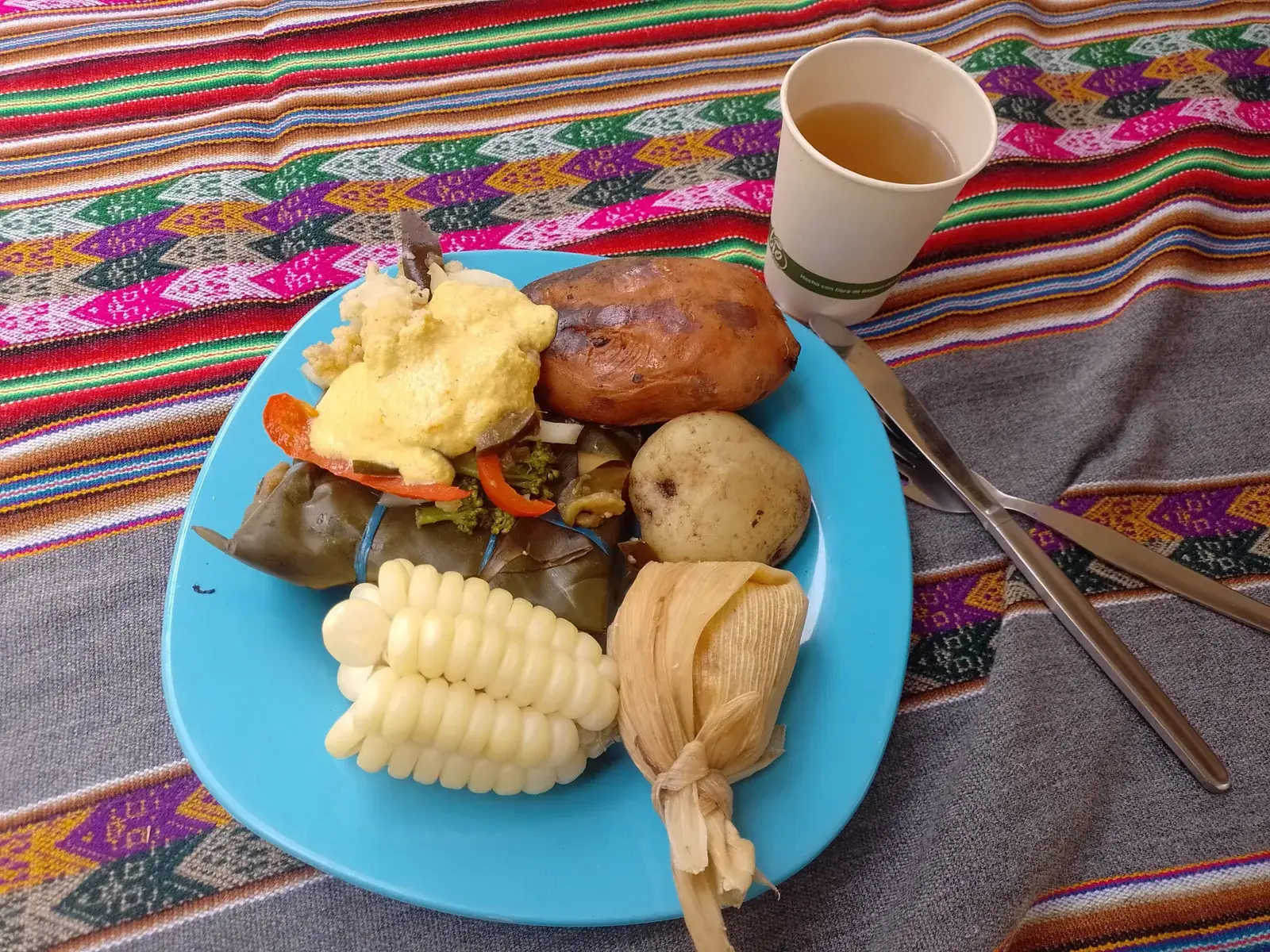
Pachamanca is a feast cooked underground: meat, potatoes, sweet potatoes, corn and broad beans are layered between hot stones in a pit, covered with herbs, cloth and earth, and left to steam for roughly an hour or more. The name comes from Quechua words for earth (pacha) and pot (manka). It is served at celebrations and on weekends in the highlands, and the easiest place to try it is at restaurants and country venues around Cusco, the Sacred Valley and the central Andes.
Plan to share, because portions are large and the meal is slow by design.
What pachamanca is
Pachamanca is a method of cooking as much as a dish. A pit is dug in the ground, lined with stones heated in a wood fire until they glow, and then filled with food that cooks slowly in the steam and heat. The result is a meal with a smoky, earthy taste that cannot be copied in an ordinary oven.
The name combines Quechua words: pacha, meaning earth or world, and manka, meaning pot. The idea of cooking in the earth is linked in Andean tradition to gratitude to the land, and many families still treat it as a way to thank Pachamama, Mother Earth, for a harvest. The method is very old and has parallels in other cultures, such as the Polynesian earth oven.
In everyday terms, pachamanca is a Sunday lunch for a large group, a reward at the end of a harvest, or the centrepiece of a wedding or festival. It is not a dish served in small portions, so it is best enjoyed with friends or family.
How it is made
The cook first heats stones for a long time, often a couple of hours, until they are too hot to touch. Meanwhile the meat is marinated with chilli paste, garlic, cumin and local herbs such as huacatay, an aromatic black mint, and chincho.
The hot stones are laid at the bottom of the pit, then covered with a layer of herbs. The meat goes in first because it needs the longest, followed by tubers and then more tender items such as corn and beans. Everything is covered with leaves, wet cloth or sacks, and finally earth, which seals in the steam.
The pit is left for about an hour or longer depending on the quantity, and the earth is then carefully removed. Opening it is part of the show: steam and smell rise, and the cook lifts the food onto trays. Because the work is manual and slow, preparing pachamanca takes planning, and restaurants usually need advance notice.
Tours and activities
Bookable online, chosen for their traveller reviews.
-
★ Top rated From €52 per person
-
★ Top rated From €23 per person
-
Day trip From €38 per person
-
★ Top rated From €85 per person
What goes into the pit
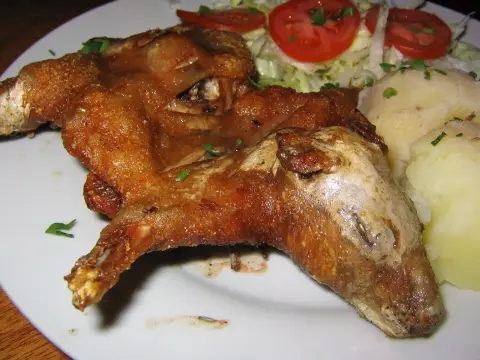
The meat varies by region and budget. Lamb, pork, beef and chicken are common, and in some places guinea pig appears, as explained in cuy. In a few communities alpaca is used. Meat is generally well seasoned and falls off the bone.
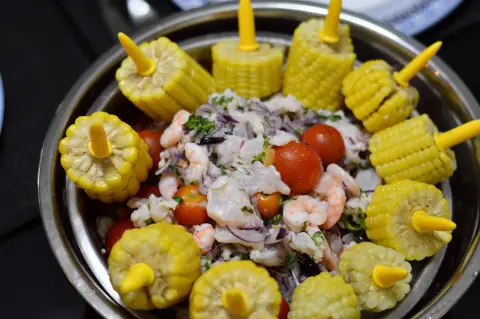
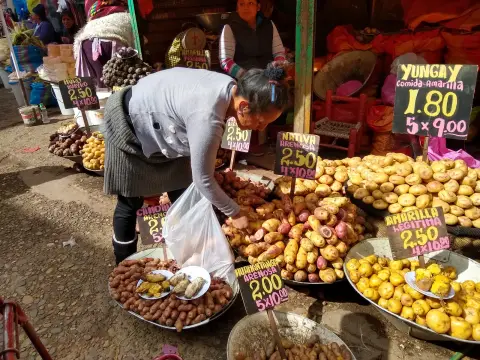
The accompanying foods are the real stars of Andean agriculture. Several varieties of potato and sweet potato, fresh corn with large kernels, broad beans, and a type of dumpling called a humita (a corn parcel) often share the pit. Cheese is sometimes included. Everything is served with a hot sauce such as ocopa or a simple chilli salsa.
The herbs give a distinct flavour: huacatay is the dominant one and has a smell between mint and basil. These ingredients show why pachamanca is a good introduction to the products described in Andean staples. Portions look generous because the dish is designed to be shared across a long table.
When it is served
Traditionally pachamanca is made for celebrations: a harvest, a wedding, a baptism, a farewell, or a local festival. In rural areas it is also cooked on ordinary Sundays when families gather. The best-known time is the dry season, from roughly May to September, when outdoor meals are comfortable and harvests are fresh.
For visitors, restaurants and country venues offer pachamanca on weekends and holidays, and on request on other days for groups. Midday is the usual time, since the pit takes hours and the meal is long. A lunch sitting can last two or three hours with chicha or beer.
Some tour operators include it in a Sacred Valley day, and some communities offer it as part of cultural visits. Check in advance whether pachamanca is served daily or only for groups, because many places make it on demand. The festival calendar in festivals and holidays helps with timing.
Where to try it
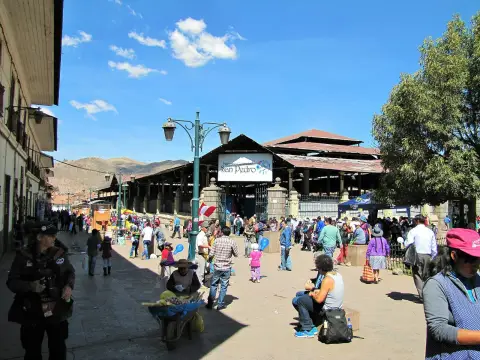
The easiest places are around Cusco and the Sacred Valley, where country restaurants prepare it on weekends in garden settings. Details for the region are in Sacred Valley and Cusco.
It is also a speciality of the central highlands around Huancayo and Tarma and of Cajamarca and Ancash in the north, and in Lima some restaurants prepare a version in an oven or on stones for those who want a taste without travelling. The authentic method requires an outdoor pit, so city versions are often oven-based approximations.
Look for restaurants that mention a pachamanquero and cook outside, and ask whether the pit is dug that day. Fresh pit cooking has a slightly different taste from oven-cooked versions. Prices tend to be mid-range, since it is a large meal, and booking ahead is wise, especially on Sundays.
Etiquette and how to eat
Pachamanca is shared. Dishes arrive on large trays, and diners help themselves. Wait until the host or cook invites you to begin, and take a little of everything. Eating with hands is normal for corn and tubers, while meat may come with cutlery.
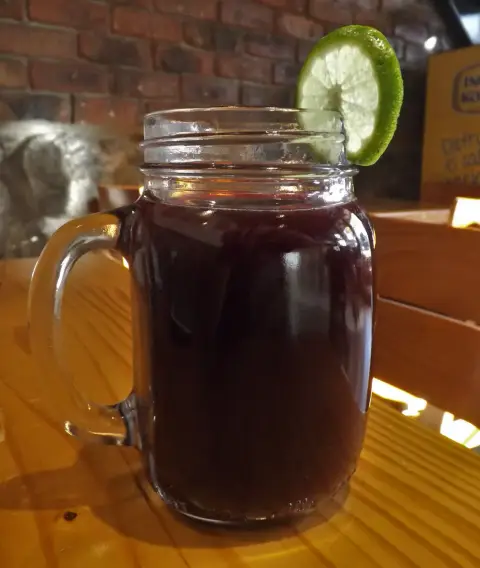
If you are invited to a family or community pachamanca, bringing a small gift such as drinks or fruit is polite, and offering to help is appreciated. It is customary in many communities to offer a first sip or a few drops of chicha or beer to the earth before drinking. Follow what your hosts do, and ask before taking photographs of people.
Do not hurry the meal. It is part of the point that the day is slow. For more on manners, including meals and tipping, see etiquette. If you do not eat meat, tell the host in advance so that vegetable and cheese portions can be prepared separately.
Why it takes hours
The long timeline has three parts. Heating the stones takes the most time, because the stones must hold heat for the entire cooking period. Digging and preparing the pit follows, and then comes the cooking itself, which relies on gentle steam rather than direct flame.
This slow method softens tough cuts of meat, makes potatoes fluffy and gives corn a sweet, steamed taste. It also needs people: someone to look after the fire, someone to prepare the meat, someone to arrange the layers. For this reason pachamanca is a communal event.
At altitude, water boils at a lower temperature, so slow cooking helps, and the earth oven keeps heat steady. In a restaurant, you should allow most of an afternoon, and do not plan a tight schedule after lunch. At high altitude, eat moderately and drink water; the advice in altitude sickness applies to a heavy meal as well.
Frequently asked questions
What does pachamanca mean?
It comes from Quechua: pacha means earth or world and manka means pot. So it translates roughly as 'earth pot' or 'pot in the earth'.
How long does pachamanca take to cook?
The pit itself usually cooks for around an hour or longer, but the stones are heated beforehand and the whole process takes several hours. That is why restaurants ask for notice.
Is pachamanca suitable for vegetarians?
Partly. Tubers, corn, beans and cheese are cooked in the pit, so a vegetarian plate is possible, but the pit is shared with meat. Ask in advance if this matters to you.
Where can I eat pachamanca near Cusco?
Country restaurants in the Sacred Valley and around Cusco serve it, especially on weekends. Ask your accommodation which places cook in a real pit and whether you should book.
Is pachamanca expensive?
It is a mid-range meal, because it is large and takes preparation, but it is often shared between several people. Prices vary by venue, so check before you book.
Can I do pachamanca without meat?
Yes, if you tell the cook beforehand. Potatoes, corn, broad beans, humitas and cheese cook well in the pit, and the herbs give flavour.
Is it a festival or a daily meal?
Both. It is cooked for celebrations and harvests, and on weekends in many highland areas. In tourist places it is offered regularly, often by reservation.