Pisco is a grape brandy distilled from fermented grape juice and not aged in a way that adds colour or wood flavour. In Peru it is protected by a designation of origin, and the pisco sour, made with pisco, lime juice, sugar syrup, egg white and bitters, is the national cocktail. Origins are disputed with Chile. Alcohol hits harder at altitude, so drink slowly and keep it for after your acclimatisation days.
What pisco is
Pisco is made by fermenting grape juice and distilling the result, and then resting it, typically in neutral vessels, rather than aging in oak. This gives a clear spirit with the aroma of the grapes. Peruvian rules limit the grape varieties that may be used and the regions where it can be produced, and do not allow water to be added to adjust the strength.
There are three main styles. Puro is made from a single grape variety. Acholado is a blend of varieties and is often the most versatile. Mosto verde is distilled from partially fermented juice and is smoother and a little sweeter. Within these, the grapes are either aromatic, such as Italia or Torontel, or non-aromatic, such as Quebranta, the most widely used.
The main production areas are on the southern coast, around Ica, as well as parts of Lima, Arequipa, Moquegua and Tacna. Many producers are small and family-run, and tastings are offered at distilleries near Ica.
The pisco sour
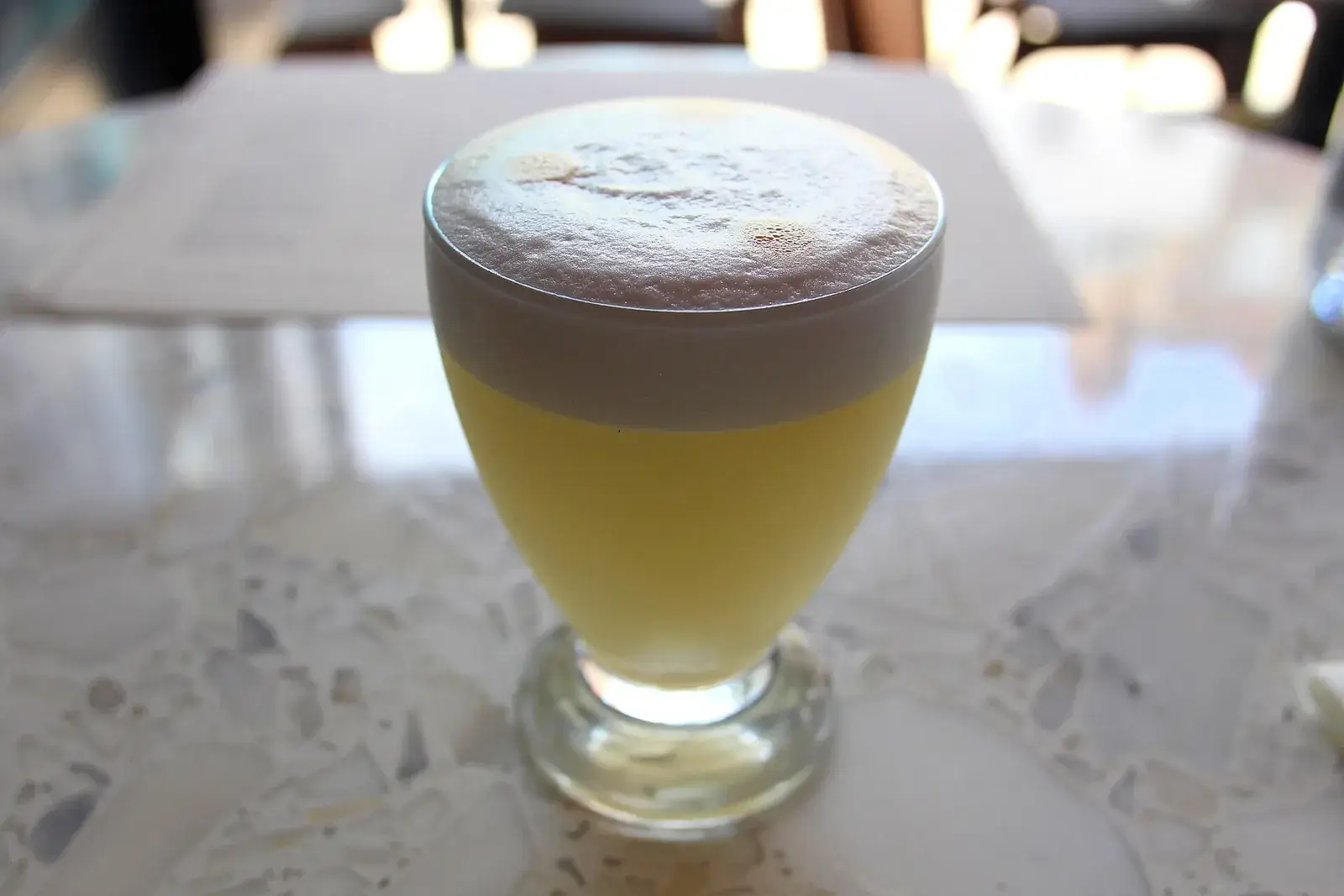
The pisco sour combines pisco, fresh lime juice, sugar syrup and egg white, shaken with ice and finished with drops of Angostura bitters on the foam. The balance of sour and sweet and the silky foam are what define it. Variants with passion fruit, other fruit or herbs are common in bars.
Its creation is usually credited to an American bartender working in Lima in the early twentieth century, and the drink became a national symbol; Peru has a day dedicated to it in February. The chilcano, a long drink of pisco, ginger ale and lime, is a lighter alternative, and the capitán mixes pisco with sweet vermouth.
Because the cocktail contains raw egg white, people who are pregnant or who have weakened immunity should ask about it, and many bars can make it without egg if you ask.
Tours and activities
Bookable online, chosen for their traveller reviews.
-
★ Top rated From €52 per person
-
★ Top rated From €23 per person
-
Day trip From €38 per person
-
★ Top rated From €85 per person
Who invented pisco?
Peru and Chile both claim pisco as their own, and the dispute covers the name, the origin and the rights to use it. Both countries make a grape spirit called pisco, but under different rules and with different styles. The origin story goes back to colonial times, when grapes were planted along the Pacific coast. It remains a sensitive subject, so if you want to avoid arguments, simply enjoy what is in front of you and leave the debate to others.
Visiting the pisco country near Ica
The region around Ica and Huacachina is the heartland of pisco, and many travellers combine a visit to the oasis with a tour of a distillery. Tours explain the harvest, the fermentation and the stills, and they finish with a tasting of several styles, often alongside wine and local sweets.
Some producers use traditional methods, such as clay vessels for fermentation and direct-fired copper stills, while others are modern and industrial. Both produce good pisco, and a visit to one of each shows how the same spirit can be made in different ways. Check whether a tour includes transport, how many tastings there are and whether a driver is arranged, since you should not drive afterwards.
The harvest season in the vineyards, usually in the first months of the year, adds atmosphere. A pisco tour is easy to add to a day on the south coast, which is described in Ica and Huacachina.
Where to drink it in Peru
In Lima, a pisco sour is available in almost every bar and restaurant, and the bars of Barranco are a popular place for an evening drink. Hotels often serve one as a welcome, and some restaurants offer tasting flights that compare styles. Ask for a classic version made with fresh lime if you want to judge the drink.
In Arequipa, pisco is often served in the courtyards of colonial houses and in restaurants that specialise in regional cooking. In Cusco and the highlands, the cocktail is widely sold, but treat it with caution at altitude.
Cocktail menus often list inventive variations, but beginners do well to start with the classic and then try a chilcano as a lighter option. See Lima food tours for pisco sessions, which often include a lesson in making the cocktail yourself.
Buying, bringing home and drinking responsibly
Pisco is sold in bottles of different styles and qualities, and a good bottle is a popular gift. Look for bottles that state the type, the grape and the region on the label, and ask shop staff to explain the differences. Prices vary widely with the producer and the age of the brand, so compare before you buy.
Respect your airline's rules and your home country's customs allowances when packing bottles, and wrap them well in hold luggage. Duty-free shops at the airport sell pisco and may be a safe option, since the bottle is sealed in a tamper-proof bag, but follow the rules for liquids in your connecting airports.
Drink responsibly. Pisco is a strong spirit, and a cocktail often contains more than one measure. Pace yourself, eat something, and avoid drinks from sources you do not trust. For advice on altitude, read altitude sickness.
Frequently asked questions
Is pisco the same as brandy?
It is a type of grape brandy, but pisco is not aged for flavour and colour as cognac is, and it has its own rules and designation.
Can I take pisco home?
Yes, within your airline and customs limits. Pack bottles carefully in hold luggage.
Is a pisco sour safe to drink?
In reputable bars, generally yes. Ask about raw egg white if you are pregnant or have a weakened immune system, and drink in moderation.
What is the difference between a pisco sour and a chilcano?
A pisco sour is a short, frothy cocktail with lime, sugar and egg white. A chilcano is a long drink with pisco, ginger ale and lime, served over ice, and is lighter and more refreshing.
What is the best pisco for a pisco sour?
Many bartenders use a Quebranta or an acholado because they are versatile and not too aromatic. Aromatic piscos are often sipped neat, though preferences vary.
Can I drink pisco at altitude?
It is better to wait until you have acclimatised for a couple of days, because alcohol is stronger and can worsen symptoms. If you do drink, have one, with water and food.
Is pisco sour made with egg?
The classic recipe uses egg white for the foam. Many bars can make a version without it if you ask, which is useful for vegans and for anyone avoiding raw egg.