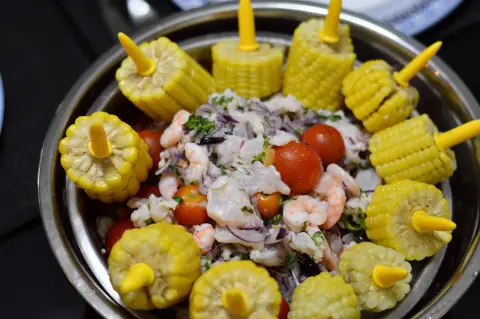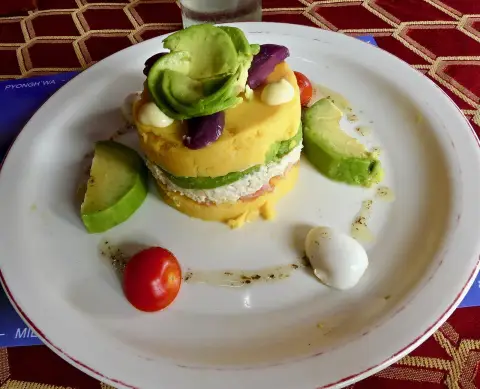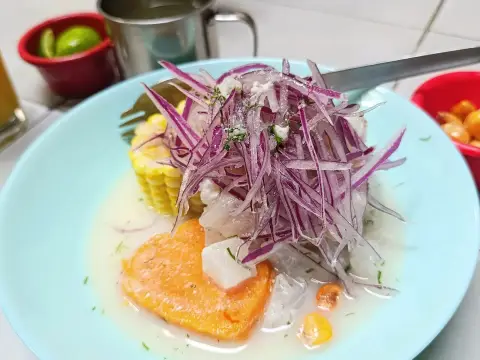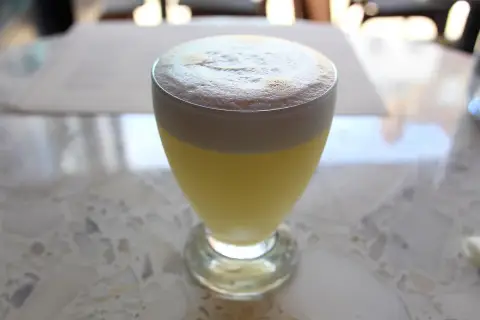
Lima food tours fall into four main types: market visits, hands-on cooking classes, walking tours of several tasting stops, and drinks sessions built around pisco. A cooking class that starts at a market suits people who want to learn how to make ceviche. A walking tour suits people who want variety in a short time. Check the group size, the number of stops, what is included and whether dietary needs are covered before you book.
The main kinds of food tour
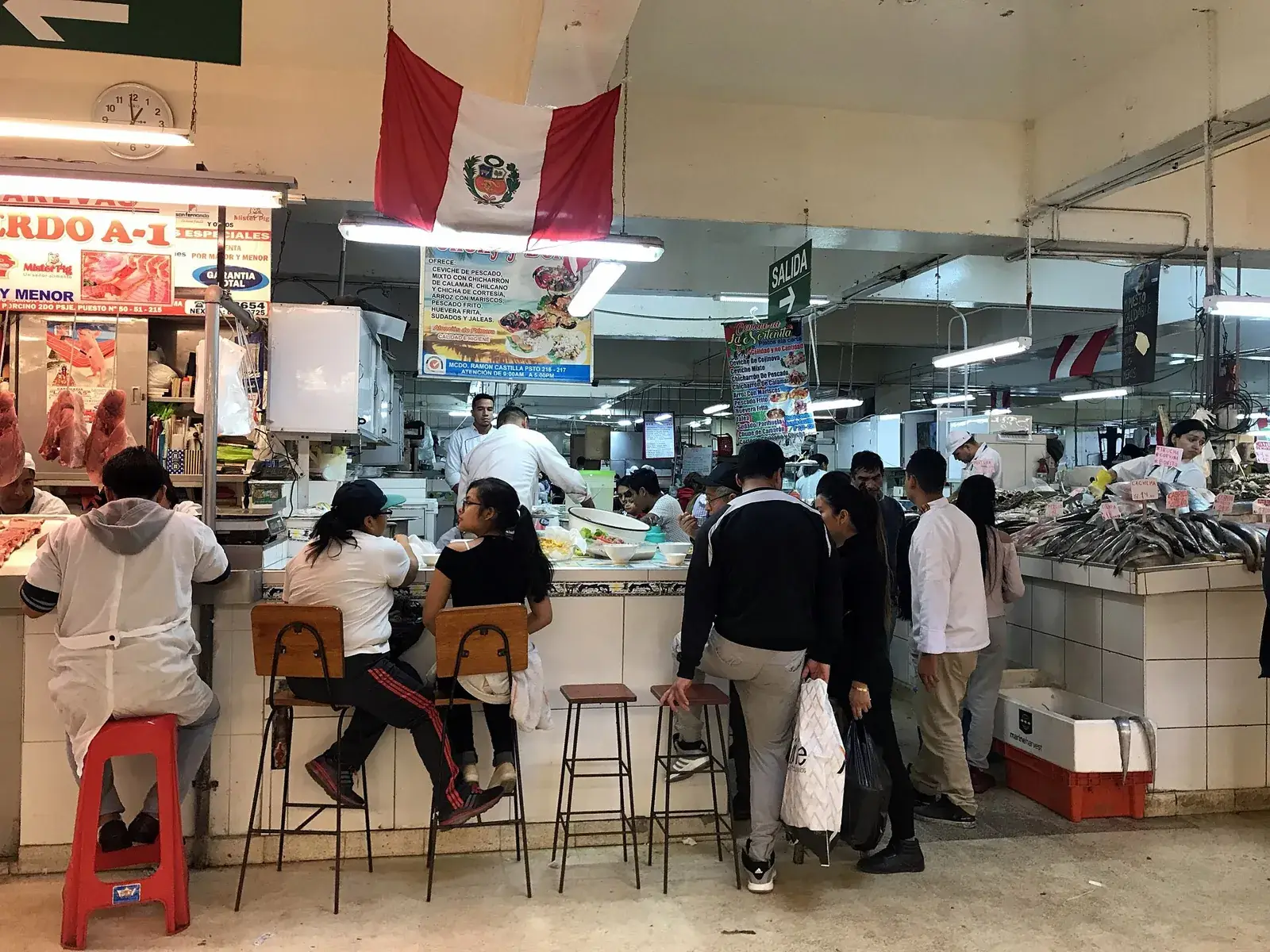
Market tours take you through one of the city's fresh-produce markets, where guides explain the fruit, fish, potatoes and chillies on display. Lima has a rare range of produce, including fruit from the Amazon and potatoes from the Andes, so this is a good way to understand how the regional cuisines fit together. Many market visits end with a meal or a class.
Cooking classes are the most hands-on option. Typical sessions teach ceviche and a main such as lomo saltado, and they often include a pisco sour lesson. They suit travellers who want to bring recipes home, and the better ones are small enough that everyone cooks.
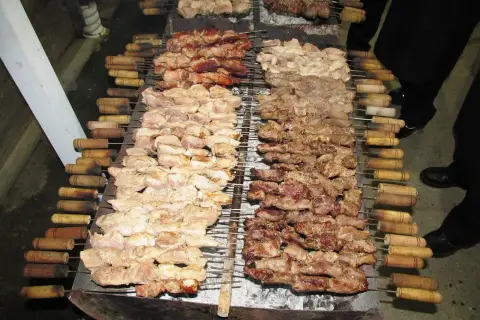
Walking food tours link several stops in one district, with a mix of dishes, desserts and drinks. Miraflores and Barranco are the common areas because they are walkable and well supplied with restaurants. Evening versions often include street-style food such as anticuchos.
Tasting experiences and pairing sessions focus on one theme, for example pisco, chocolate, coffee or Nikkei cooking.
How to choose
Start with what you want to get out of it. If you cook at home, choose a class. If you only have one evening in Lima, a walking tour covers more ground. If you are interested in the story of the cuisine, look for a guide who explains where the ingredients come from rather than one who simply lists the dishes.
Then check the practical details: the group size, how long it lasts, what is included in the price (the number of dishes, the drinks, any entrance), where it starts and how you get there. Small groups tend to be more flexible and personal. Read recent reviews for patterns rather than for single comments, and look at whether complaints mention portions, timing or communication.
Tell the organiser early about allergies, vegetarian or vegan eating, or other dietary needs. Not every tour can adapt, and the answer is better known before you pay.
Tours and activities
Bookable online, chosen for their traveller reviews.
-
★ Top rated From €52 per person
-
★ Top rated From €85 per person
-
★ Top rated From €94 per person
-
★ Top rated From €55 per person
Timing and what to expect
Because raw-fish dishes are traditionally eaten at lunchtime, many tours that include ceviche run in the morning or around midday. Evening tours usually concentrate on cooked dishes, street food and drinks. A tour of three or four hours with several stops is filling, so arrive hungry and skip a large breakfast.
If you can, book your food tour early in your Lima stay. It gives you a good map of what to eat for the rest of the trip, and it is easier to follow with the dish names fresh in your mind. Keep any pisco-based sessions for later in the day, and remember that alcohol is stronger than it feels when you are tired from travel, and that the effects can be heavier at altitude if you fly on to Cusco soon after.
Market tours in more detail
A market tour is the best option for travellers who care about ingredients. The guide walks you through the stalls, names the fruit and fish, and lets you taste things you would not order from a menu: Amazon fruit with unfamiliar names, different types of potato, native chillies, and the range of fish landed on the coast.
Expect a lot of standing and walking in a busy, warm and sometimes crowded space. Wear closed shoes and take a small bag rather than a large rucksack. Markets are usually busiest in the morning, and the best tours begin early, when the produce is freshest and the stallholders have time to talk.
Many market tours finish with a meal prepared from what you saw, or with a cooking class in a nearby kitchen. If you want to do both, ask whether the market visit is part of the class or sold separately, since this changes the price and the timing.
Cooking classes: what you actually make
Cooking classes in Lima usually teach a short list of dishes, often a ceviche or tiradito, a hot main and a dessert, plus a pisco sour. You prepare each at your own station, eat what you cook, and take home printed recipes or notes. The better classes explain the ingredients, such as why the fish is cut in a particular way, how long the lime juice stays on the fish and how to balance ají.
Ask whether the class is demonstration or hands-on. In a demonstration, a chef cooks and you watch, which is more relaxing but teaches less. Group size matters too: eight to ten people is easier to manage than twenty, though the exact numbers differ by school.
Classes tend to last several hours, so plan for a full morning or afternoon. Keep your evening free, because you will have eaten a large meal.
Street-food and evening walks
Evening food walks lean towards the informal side of Lima's cooking: grilled skewers, fried snacks, sandwiches, desserts and drinks, often in more than one neighbourhood. They suit people who are nervous about street food and want a guide to pick the stands, since a local guide can tell you which ones have the turnover and standards that make them safe.
Check the route and the transport. Some tours move between districts by taxi or minibus, which should be included in the description, while others stay on foot. A late finish means a late taxi back to your hotel, so arrange transport in advance and use a reliable ride-hailing app or a registered taxi.
Tours that finish with a drink should be paced accordingly. If you are flying out early the next morning, choose a daytime tour instead.
Mistakes to avoid when booking
Do not book a tour that promises "everything" in two hours; the more stops, the less time at each. Do not assume a tour is suitable for vegetarians without asking, because many are built around fish and meat. Do not skip the cancellation and meeting-point details, which cause most problems on the day.
Be wary of tours sold on the street or with unrealistic prices. Book through a company with a clear description, a stated meeting point and recent reviews, and compare it with Lima tours and the wider Lima options before you pay.
Finally, keep the tour in proportion. A food tour is an introduction, not a replacement for eating at local lunch places and markets on your own, which is where most of the value of the city's cooking lies. Pair it with what to eat in Lima and the pisco, and you will arrive at each meal knowing what you are looking at.
Frequently asked questions
Is a food tour worth it in Lima?
For most first-time visitors, yes, particularly early in the trip. It helps you understand the cuisine and order with more confidence afterwards. If you are a confident independent eater, a market visit and your own research may be enough.
Can I do a food tour as a vegetarian?
Some tours can adapt, and some cannot, because the dishes are built around fish and meat. Ask before booking.
How far ahead should I book?
Cooking classes and small-group tours can fill up in high season, so book a few days ahead. Walking tours are often easier to arrange at short notice.
Is a cooking class better than a food walk?
A class teaches you to make a few dishes and suits people who cook; a walk lets you taste more dishes in less time. If you only have one slot in your itinerary, choose by whether you would rather learn or sample.
Are food tours suitable for children?
Daytime market visits and cooking classes usually suit older children, though tours with alcohol tastings do not. Ask the organiser about age policies and portion sizes.
What should I wear and bring?
Comfortable closed shoes, a light layer for Lima's cool, damp mornings and a small bag. Bring cash for incidental purchases and keep valuables out of sight in busy markets.
Can I do a food tour on arrival day?
Yes, but only if you are rested. A tour after an overnight flight can be tiring, and a light lunch-based tour is a better choice than an evening one with drinks.