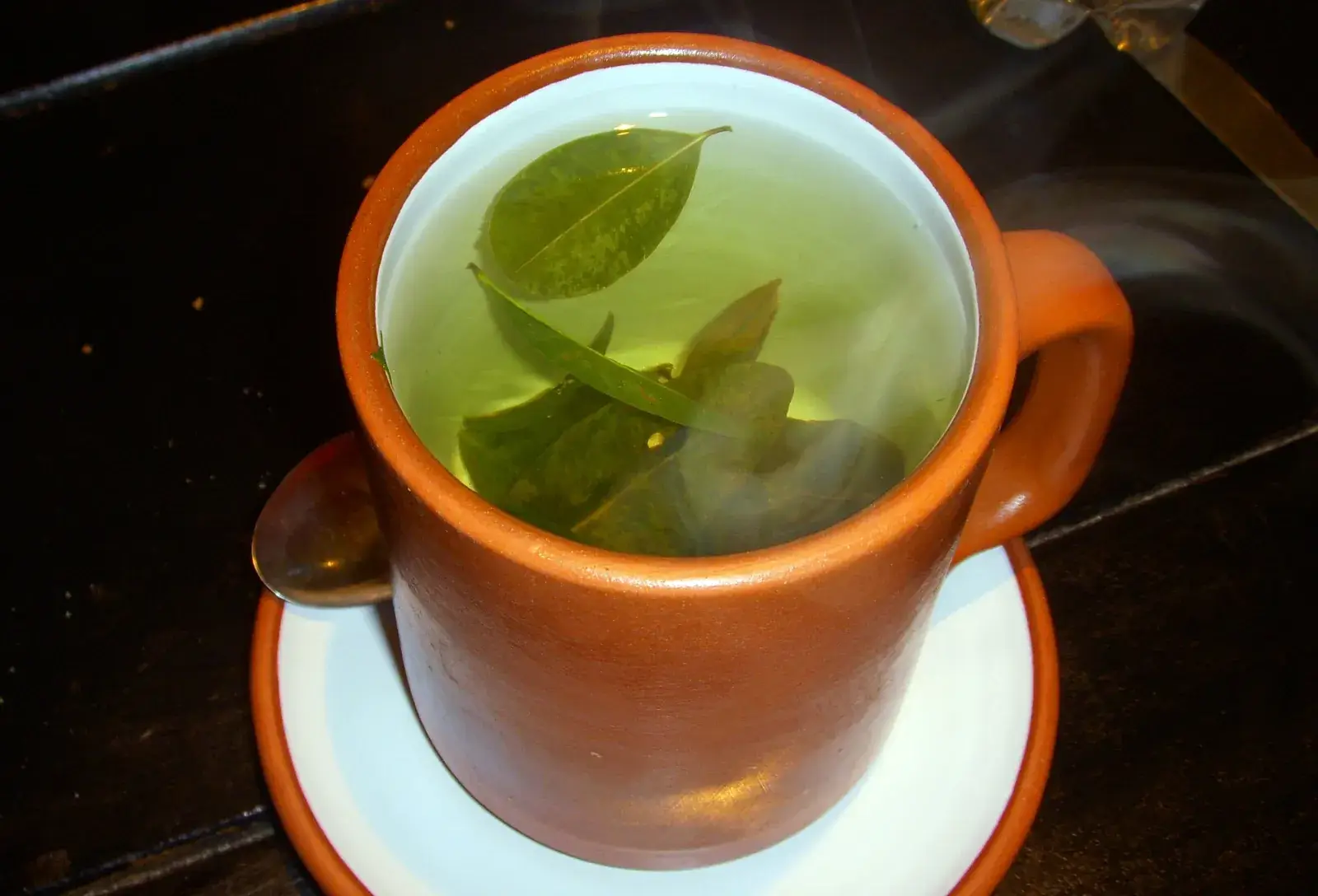
Herbal infusions are an everyday part of Peruvian life. Mate de coca is a tea of dried coca leaves, offered in highland hotels and cafés and drunk traditionally at altitude; muña is a minty Andean herb; emoliente is a warm, slightly gelatinous drink sold from street carts. Manzanilla (chamomile), anise and lemon verbena are also common.
Coca tea is legal and normal in Peru but the leaf is controlled in many other countries, so do not carry leaves or tea bags home. Herbal tea is comforting, not a treatment for altitude sickness.
Mate de coca: the tea of the highlands
Mate de coca is made by steeping dried coca leaves, or a tea bag of crushed leaves, in hot water. The taste is mild, green and slightly bitter, somewhere between a weak green tea and a herbal infusion, and many people add sugar or a slice of lemon.
In Cusco, Puno, Arequipa and Huaraz, hotels often put out a flask of the tea on arrival, alongside a bowl of leaves. It is part of highland hospitality rather than a tourist gimmick, and the leaf has been used in Andean life for centuries, in daily chewing, in offerings and in ceremonies.
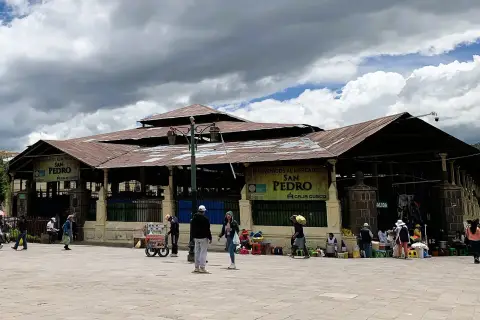
The coca leaf is not the same as cocaine. The drug requires chemical processing that is not part of the tea. Even so, the plant is regulated in many countries, which is why the rules for travellers, covered below, deserve attention. For a view of local life around the leaf, visit a market such as San Pedro in Cusco.
Coca tea and altitude
Travellers often ask whether coca tea prevents altitude sickness. Locals drink it as a warm, familiar drink at height, and many visitors find it comforting. There is no strong evidence that it prevents or cures altitude sickness, and it should not replace the usual measures: ascend gradually, rest, drink water and avoid alcohol. See altitude sickness for what actually helps.
Warm tea has some advantages on its own: it keeps you hydrated, it is gentle on the stomach and a hot cup is welcome on a cold highland morning. Drink it in moderation, as you would any caffeine-free herbal tea, and be careful if you are pregnant, have a heart condition or take medication; ask a doctor.
Do not chew leaves in the belief that you are acclimatising faster. Chewing is a skill with its own customs, and the effects can be stronger than expected.
Tours and activities
Bookable online, chosen for their traveller reviews.
-
★ Top rated From €52 per person
-
★ Top rated From €23 per person
-
Day trip From €38 per person
-
★ Top rated From €85 per person
Muña and other Andean herbs
Muña is an aromatic herb of the mint family, growing in the high Andes. A few leaves in hot water give a sharp, minty tea that is drunk after heavy meals and used by cooks to scent stews, soups and the earth oven of pachamanca. It is sold fresh in markets in bundles.
Other herbs appear on market stalls: manzanilla (chamomile), anís (anise), hierba luisa (lemon verbena), cedrón, matico and huacatay, a black mint used mostly in sauces. People take them after meals, in the evening or when feeling unwell, and market herbalists will recommend mixtures.
Treat these as traditional drinks, not as medicines. Quantities, interactions and effects are not standardised, and herbs you do not know are best avoided if you are pregnant or taking medication. Tea bags of chamomile and anise are sold in every supermarket and are the easiest way to experiment safely. The ingredients appear in the dishes covered by the Andean staples guide.
Emoliente from the street cart
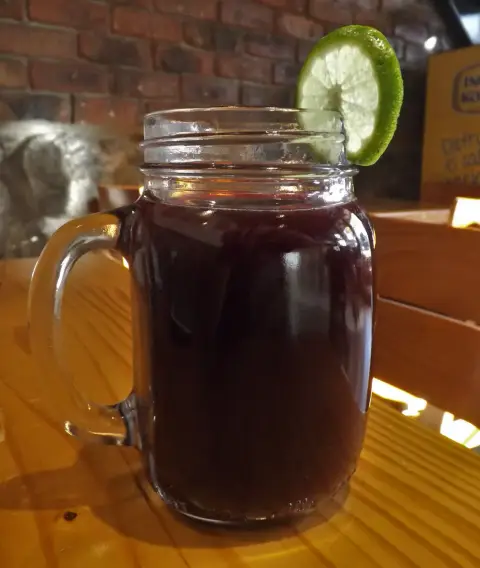
Early in the morning and in the evening, carts in Lima and other cities sell emoliente: a warm, slightly thick drink made by boiling barley with herbs such as horsetail, flaxseed and alfalfa, then sweetening it and adding lime juice. The vendor ladles it from a pot or a large flask and pours it into a plastic cup.
The flavour is mildly herbal and sweet-sour, and the texture is somewhat slippery from the linseed. Many people drink it as a breakfast or as a warm drink on a cool coastal morning, and it is cheap. It is often served with a snack like a sweet bun.
For hygiene, choose a busy cart where the drink is kept hot and the cups are clean, as recommended in water and food safety. Recipes differ between vendors, and some add a drop of aloe or other herbs. Ask what is in it if you have allergies.
Hot drinks with alcohol and with milk
Not every warm drink in Peru is a herbal tea. In the cold highlands, té piteado adds a measure of cane spirit to hot tea, sold at stalls and on the street, and it should be treated as alcohol, especially at altitude. Hot chocolate, often thick and served with cheese or bread, is another comfort drink, described in the chocolate guide.
Milk-based drinks include café con leche and hot milk with cinnamon, and in the morning many Peruvians drink quinoa or oat drinks, hot or cold. Quinoa drink is boiled with cinnamon and cloves, and sometimes with apple, and it appears at street carts with emoliente.
If you want a non-herbal hot drink that is typically Peruvian, try one of these with a breakfast roll. For coffee, the choices differ greatly by café, as set out in the coffee guide.
Herbal drinks through the day
Infusions follow a rhythm. In the morning, emoliente and quinoa drink come from carts, and a cup of mate de coca or manzanilla may start a day in the highlands. After lunch, a cup of muña, anise or lemon verbena is the usual way to settle a heavy meal, and restaurants often bring it without being asked.
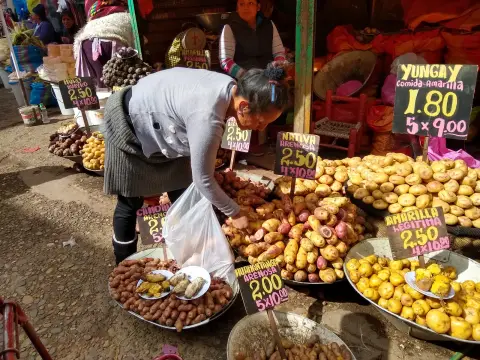
In the evening, chamomile is the standard before bed, and many families keep a pot of aromatic water simmering with cinnamon and cloves. Markets sell bundles of fresh herbs by the handful, and the stalls are a pleasant place to see how many plants are in use.
For visitors, the easiest approach is to try one new infusion a day and note what you like. Hotels in the Andes usually have hot water and herbs available in the lobby, and a flask in your room is common in colder places. Prices are very low, so there is little risk in trying.
Ordering, buying and bringing home
In restaurants, ask for "una infusión" or name the herb: "un mate de manzanilla", "un mate de muña". Tea comes in a cup or a pot, with sugar on the side. Tea bags are standard, but fresh leaves are often used in highland homes and markets.
Herbs are sold dried in markets and supermarkets, sometimes in blends. Choose sealed packs from reputable shops, and look at the label. If you plan to take herbs home, check what your country allows: some plant products need declaration, and anything containing coca is not safe to carry.
As gifts, tea blends without coca, muña and chamomile are lighter and safer than leaf products. For other ideas, see Peru souvenir tips and the wider food overview.
Frequently asked questions
Is coca tea legal?
In Peru, yes: it is sold openly and drunk widely. Many other countries restrict the leaf, so check your home rules and do not carry it across borders.
Does coca tea show up in drug tests?
It can produce a positive result for cocaine metabolites. If you are tested for work or sport, avoid it and take medical advice.
Does mate de coca cure altitude sickness?
No evidence shows that it prevents or cures it. Locals drink it for comfort, and it should not replace gradual ascent, rest and water.
What is muña?
A mint-like Andean herb used for tea and in cooking. It tastes sharp and fresh and is common after meals in the highlands.
What is emoliente made of?
Boiled barley and herbs such as horsetail, flaxseed and alfalfa, with sugar and lime juice. Recipes vary by vendor.
Can I bring coca tea bags home?
It is risky. Many countries treat coca products as controlled, and tea bags sold in Peru can be seized or lead to penalties. Leave them behind.
Is herbal tea safe in pregnancy?
Some herbs are not recommended during pregnancy, including coca. Ask a doctor about specific teas before drinking them.
Is emoliente safe to drink?
From a busy cart with hot liquid and clean cups it is usually fine. Skip it if the pot has stood cool for a long time.