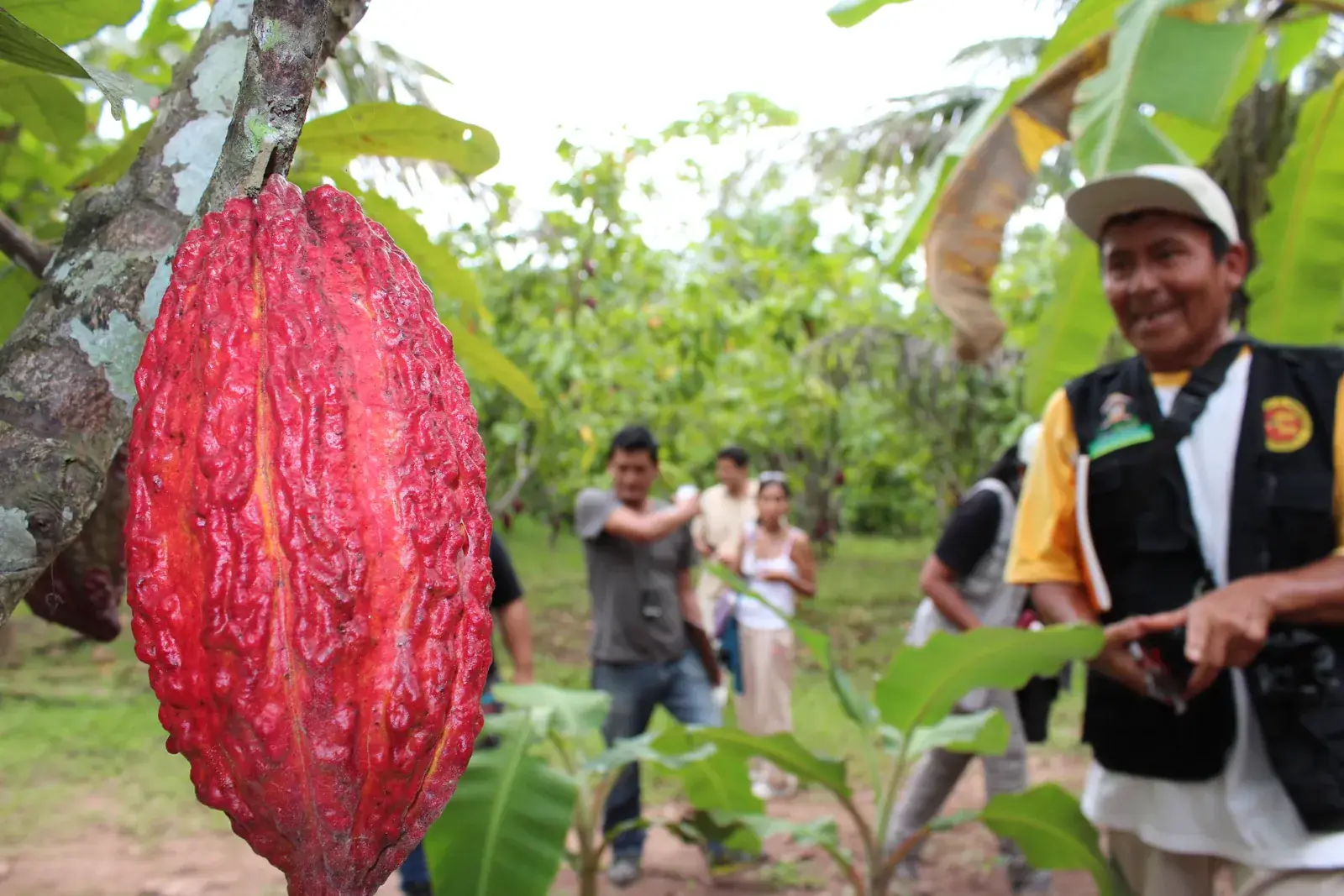
Peru grows some of the world's most prized fine-flavour cacao, from native varieties in the Amazon basin and the high jungle valleys. The main growing regions include San Martín, Cusco (the Quillabamba area), Amazonas and Piura, and a growing bean-to-bar scene makes chocolate in Lima, Cusco and some producing towns. Visitors can join workshops and visit small museums, then buy bars as gifts.
Look for the origin and cacao percentage on the label, and for certifications if fair trade matters to you.
Peru's cacao in context
Cacao originates in the upper Amazon basin, and Peru's jungle regions are among the places where the plant diversified. Today the country is a significant producer, and it is better known for flavour than for volume. Most beans come from small farms of a few hectares, often grown alongside coffee, banana or timber trees.
The chocolate industry in Peru is relatively young compared with coffee, but it has grown quickly as farmers moved from selling bulk beans to fermenting and drying them carefully, and as makers began to produce bars for export and local sale. Several Peruvian cacao samples have won international awards in fine-flavour competitions.
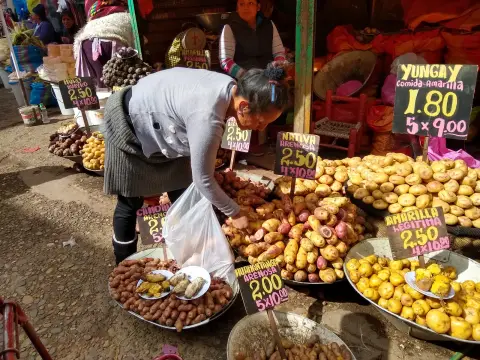
For visitors, cacao fits into a wider picture of Amazonian and Andean agriculture, along with the foods in Andean staples. The best way to appreciate it is to taste a bar with the origin named, rather than a generic sweet. In shops, bars range from inexpensive supermarket blocks to boutique chocolates sold as gifts.
Native varieties
Peru is known for native cacao types that differ from the common trinitario and forastero used in mass chocolate. The Chuncho from the Cusco region is a local variety with fruity notes. The Nacional type, also grown on the northern coast, is prized for floral aromas, and white cacao, called porcelana or Pure Nacional in some sources, has pale beans and a mild taste. Wild and old-growth cacao is gathered in some Amazonian communities.
These names change between producers and are often used loosely, so treat them as clues rather than guarantees. Genetic mixing is common, and a bar labelled with a variety may contain beans from several trees.
The pleasure lies in the range of flavours: red fruit, nuts, citrus, flowers, caramel or coffee. A tasting of two or three single-origin bars side by side shows how much soil, altitude and fermentation matter. Ask makers or shop staff which flavours to expect, and taste slowly, letting the chocolate melt.
Tours and activities
Bookable online, chosen for their traveller reviews.
-
★ Top rated From €52 per person
-
★ Top rated From €23 per person
-
Day trip From €38 per person
-
★ Top rated From €85 per person
Growing regions
Cacao grows in warm, humid lowlands and foothills. San Martín in the north-eastern jungle is one of the main producing regions, with many cooperatives. In the south, the valleys of La Convención near Quillabamba, in the Cusco region, produce well-regarded beans. Amazonas, Junín, Ayacucho, Ucayali and the northern Piura and Tumbes coasts are also known for cacao.
Each area has its own conditions, and the taste of the bean follows: some tend to be fruity, others nutty or floral. Altitude and shade play a role, and many farms are certified organic.
Visiting farms requires time and local arrangements, and access is easiest in organised trips from towns such as Quillabamba, Tarapoto or Chachapoyas. Check the transport and safety situation before heading to remote areas, and use a registered operator. Travellers who stay in Cusco will mostly meet cacao in shops and workshops rather than at the farm.
The bean-to-bar scene
Bean-to-bar means a maker controls the process from fermented beans to the finished bar: roasting, cracking, grinding, conching and tempering. In Peru this movement has grown in Lima, Cusco and producing regions, with small makers focusing on single-origin bars with few ingredients, often just cacao and sugar.
Typical products include dark bars with 60 to 80 per cent cacao, bars with Andean additions such as quinoa, coca leaf, sea salt, coffee or fruit, and drinking chocolate. Packaging often names the region, the variety and the cacao percentage, which makes it easier to compare.
You can find these bars in specialist shops, markets, airport shops and some cafés. A good bar snaps cleanly, smells of fruit or nuts rather than burnt sugar, and melts slowly. The same fresh approach appears in coffee, as described in Peruvian coffee, and the two are often sold in the same shops.
Museums, workshops and tastings
Chocolate workshops are popular in Cusco and are a straightforward way to learn about the process. Typical sessions last a few hours and cover the plant, the fermentation and drying of beans, roasting, grinding by hand and shaping your own bar. Cacao is tasted at several stages, from raw bean to hot drink.
Small museums and visitor centres exist in the city and in some producing areas, often attached to a maker's shop. They show tools, photographs and samples, and usually end with a tasting. Because opening hours and offers change, check current details before going.
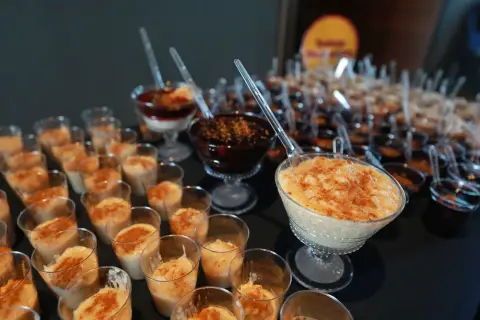
Workshops are mid-range in price and suit families, and children usually enjoy them. Ask what is included, whether ingredients are vegetarian, and how many people are in the group. Tasting hot cacao drinks, which is the traditional preparation, also gives an idea of how different the plant tastes before sugar is added. For dessert traditions, see Peruvian desserts.
Buying and bringing chocolate home
Look for a bar that states the origin, the cacao percentage and the ingredient list. Short lists with cacao, sugar and perhaps cocoa butter usually signal a careful maker. Avoid bars that have melted and set again, which shows white streaks, or that smell stale.
Heat is the main enemy. In hot weather, carry chocolate in a cool bag, keep it out of the sun, and put it in hand luggage in the cabin rather than in a hold that may be warm. Dark chocolate with high cacao content keeps better than milk chocolate.
Cacao nibs, powder and tea are also popular gifts, and they pack well. Customs rules on food vary, but commercially packaged chocolate is usually permitted; check your own country's limits. For other gift ideas and how to choose them, read souvenirs. Prices vary widely, from inexpensive supermarket bars to premium single-origin ones.
Fair trade and responsible buying
Cacao is grown mostly by smallholders, and prices paid to farmers depend on quality and on how the sale is organised. Cooperatives pool beans and sometimes ferment and dry them centrally, which can improve quality and bargaining power.
Certification labels such as Fairtrade and organic exist, and some makers also work directly with farmers and pay premiums, but not all good practice is certified, and not every certified bar is excellent. Look for information about where the cacao is from and who grew it. Makers who name a cooperative or region usually have a traceable supply.
Environmental questions include deforestation and shade-grown systems. Some producers plant cacao in agroforestry plots that keep trees and wildlife. Buying from makers who explain their sourcing supports this approach. The general advice in responsible travel applies: buy directly where possible, pay fairly and avoid products that mislead about origin.
Frequently asked questions
Where does Peruvian cacao come from?
Mainly from the jungle and high-jungle regions, including San Martín, the Quillabamba area of Cusco, Amazonas, Junín, Ayacucho and the northern coast of Piura and Tumbes.
What is bean-to-bar chocolate?
It is chocolate made by a maker who controls all steps from raw fermented beans to the finished bar. The result is usually a single-origin bar with few ingredients.
Is Peruvian chocolate good quality?
Peru produces fine-flavour cacao that has won international awards, and good small makers exist. Quality varies, so read the label for origin and ingredients.
Can I visit a cacao farm?
Yes, in producing regions, usually through an operator or cooperative. Visits need planning and local transport, so check current arrangements and safety conditions.
Is chocolate allowed through customs?
Commercially packaged chocolate is generally allowed, but rules differ by country. Check your own country's limits on food before you pack.
Which chocolate makes a good gift?
Single-origin dark bars, cacao nibs and drinking chocolate travel well. Choose clearly labelled products from known makers rather than unmarked market blocks.
Does hot chocolate in Peru taste different?
The traditional preparation uses pure, often unsweetened cacao paste melted in hot water or milk and then sweetened, so it is more bitter and less sugary than commercial cocoa.