Most beer in Peru is pale lager, brewed in a few large breweries and sold in large bottles that are poured into a single glass and passed around the table. Cusco and other regions have their own labels, and a craft beer scene has grown in Lima, Cusco and Arequipa over the past years.
Order a "cerveza helada" (cold beer) with lunch or in the evening. At altitude, drink slowly: alcohol has a stronger effect, and the first days in the highlands are best kept for water.
The lager that dominates
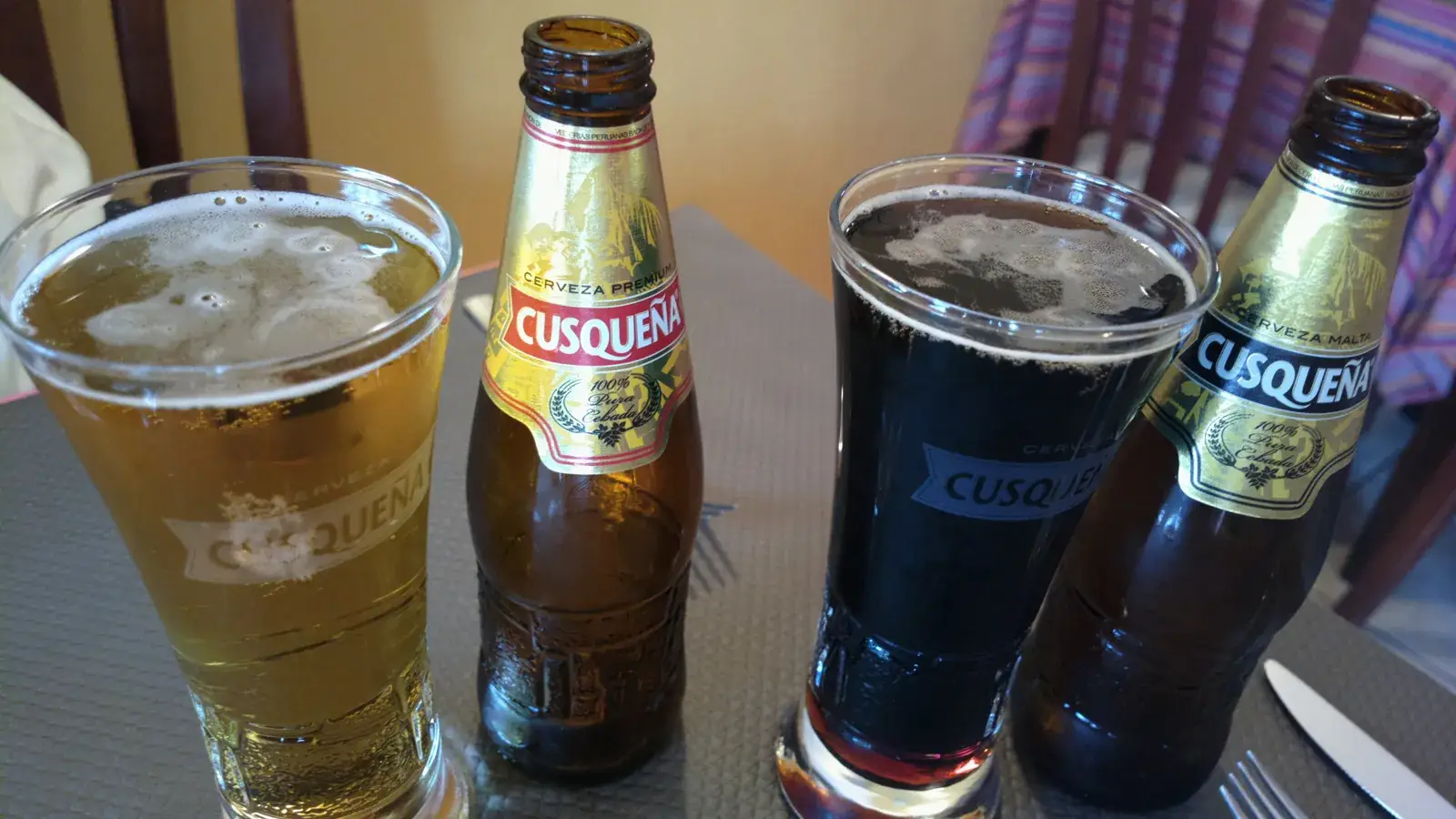
Walk into almost any bar, shop or restaurant and the choice is pale lager, light-bodied, fizzy and best served very cold. A handful of national and regional labels cover most of the market, and they are generally easy to drink, with little bitterness. Pilsen, Cristal and Cusqueña are the names you will see most.
The brewing industry dates back to the nineteenth century and the large brewers still dominate. The result is that beer in Peru is more about occasion than about variety: it is for football, for lunch with grilled chicken, for a family gathering. If you want to try a local flavour, ask which beer is most popular in the area and choose it.
There are also darker and wheat versions from some labels, plus sweet malt drinks that are lightly alcoholic or non-alcoholic. Light beers and non-alcoholic options exist, but the classic pale lager is the default almost everywhere. The brewers' regional links are worth checking before you quote them.
How beer is served and shared
The typical bottle is large, so it is sold to be shared. It arrives with a small glass, and one person pours a measure for the next, passing the glass around the table in turn. Many Peruvians drink this way in groups, and the custom keeps the beer cold since the bottle stays in a cooler or wrapped in a cloth.
Ask for a "chela", the slang word for beer, or a "cerveza", and say whether you want it very cold ("bien helada"). In casual places there may be no menu: the waiter simply asks which brand. A smaller bottle or can is available if you are on your own.
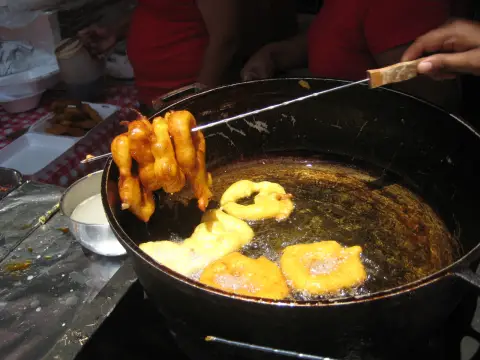
In bars, beer is often accompanied by snacks. Fried pork, cancha (toasted corn kernels) and street skewers are typical, and the street food guide covers the dishes that fit well with a cold bottle. Pay at the end, and note that tips are often added or left by custom; see tipping in Peru.
Tours and activities
Bookable online, chosen for their traveller reviews.
-
★ Top rated From €52 per person
-
★ Top rated From €23 per person
-
Day trip From €38 per person
-
★ Top rated From €85 per person
Regional beers and local pride
Many cities have a local beer they treat as their own. In Cusco the local label is closely tied to the city's identity, and in Arequipa and the north, regional brands also appear in bars and on billboards. Ordering the local beer is a simple way to join in.
The Amazon has its own beer culture, shaped by heat and by trading routes along the rivers. In the jungle, cold beer is a popular end to a day of travel, although supply can be limited in remote areas and cold storage is not always reliable.
Chicha de jora, the maize beer, belongs to the Andes and is a different tradition from the brewery lagers; see the chicha guide for how the two compare. Regional bottles are not hard to find, and you do not need a special trip: a supermarket in any city will show the local favourite on the shelf.
The craft beer scene
Craft brewing has grown since the early 2010s, with small breweries and brewpubs making ales, stouts, IPAs, wheat beers and styles flavoured with Peruvian ingredients such as ají, cacao, coca or native fruit. Some brewers use local grains or Andean herbs.
The best-known concentrations are in Lima, especially around Barranco and neighbouring districts, where taprooms offer tasting flights. Cusco and Arequipa have smaller scenes, with a few brewpubs aimed at visitors and local drinkers.
The scene changes quickly. Brewpubs open and close, and tap lists vary by week, so check recent reviews or ask your hotel. Craft beer costs more than mass-market lager, and quality is uneven, but a flight lets you try several styles without committing to a pint. Many places also serve food, so a tasting can double as dinner.
Where to drink: bars, picanterías and rooftops
The setting changes the experience as much as the label. In a picantería or a neighbourhood restaurant, beer comes in a large bottle with a plate of regional cooking, and the mood is relaxed and local. In a corner shop, people sometimes drink on a bench outside, though rules on public drinking vary by district.
Bars in Lima's tourist districts run happy hours and serve beer alongside pisco cocktails. Rooftop terraces in Cusco and Arequipa offer views of the plaza, with prices that reflect the location. Nightclubs charge the most, and drinks there are often sold by the bucket.
Sit where you can see other tables: if locals are drinking, the bar is usually fine. Keep an eye on your drink and belongings in crowded venues, as described in safety tips for Peru, and agree who pays before a round begins.
Strength, price and what to expect
Standard Peruvian lagers sit in the usual range for pale beers, around the level of an everyday European lager, though exact figures differ by brand. Craft beers can be stronger, so check the label or ask about alcohol by volume.
Prices are inexpensive in shops and local eateries, more in tourist districts and craft taprooms. The cheapest way to buy beer is in a shop or from a restaurant's fridge; hotels and rooftop bars add a premium. The guide to daily costs puts these choices in context.
Some things to know: public drinking on streets and in parks can be restricted, and sales may be limited on election days. Bars may also close early on certain holidays. Ask locally if you are planning a night out on a national holiday.
Pairing beer with Peruvian food
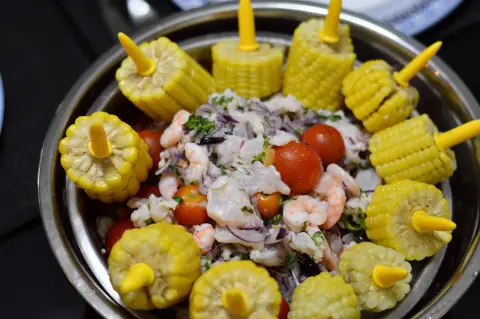
Light lager suits spicy and fried food. It goes well with anticuchos, grilled meat, fried fish, chicharrón and ceviche, where its coldness resets the palate after ají. A beer with a plate of pisco-marinated seafood is a classic coastal combination.
Dark beers and stouts suit stews, chocolate and desserts, and fruity or hoppy craft beers work with richer dishes such as lomo saltado. As a rule, beer is a better partner than wine for chilli, and a cheaper one.
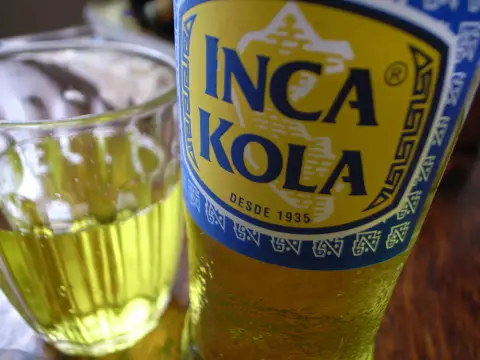
For a broader approach, try ordering a bottle for the table at a casual restaurant, alongside two or three shared plates. If you prefer something non-alcoholic, Inca Kola and fresh juice remain the standard options. For spirits and cocktails, the pisco guide is the next step.
Frequently asked questions
What is the most popular beer in Peru?
Pale lagers dominate, with Pilsen, Cristal and Cusqueña among the best-known labels. Popularity differs by region, so ask what locals order.
How much does beer cost in Peru?
It is inexpensive in shops and local restaurants and more in tourist districts, hotels and craft taprooms. Exact prices change, so check the menu.
Why do Peruvians share one glass?
Large bottles are sold to be shared, and passing a single glass keeps the beer cold in the bottle. It is a social habit rather than a rule, and you can ask for your own glass.
Is there craft beer in Peru?
Yes, mainly in Lima, Cusco and Arequipa, with brewpubs and taprooms. Some brewers use local ingredients such as ají, cacao or coca.
Can I drink beer at altitude?
It is best to wait a day or two after arriving, because alcohol has a stronger effect and can worsen symptoms. If you do, drink slowly and with water.
What does 'chela' mean?
It is Peruvian slang for beer. Ordering a 'chela helada' gets you a cold one.
Is beer safe to drink?
Sealed bottles from reputable shops and restaurants are safe. Be careful with unlabelled drinks and homemade brews in informal places.
What snacks go with beer?
Cancha, fried pork, anticuchos and chifles are common. Street stalls and bars sell them cheaply.