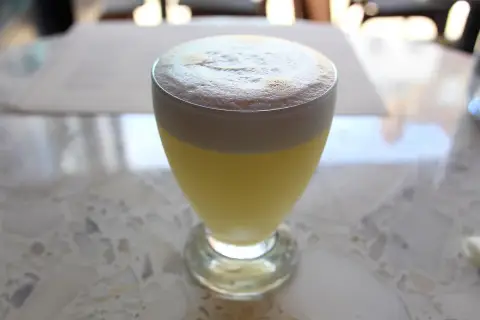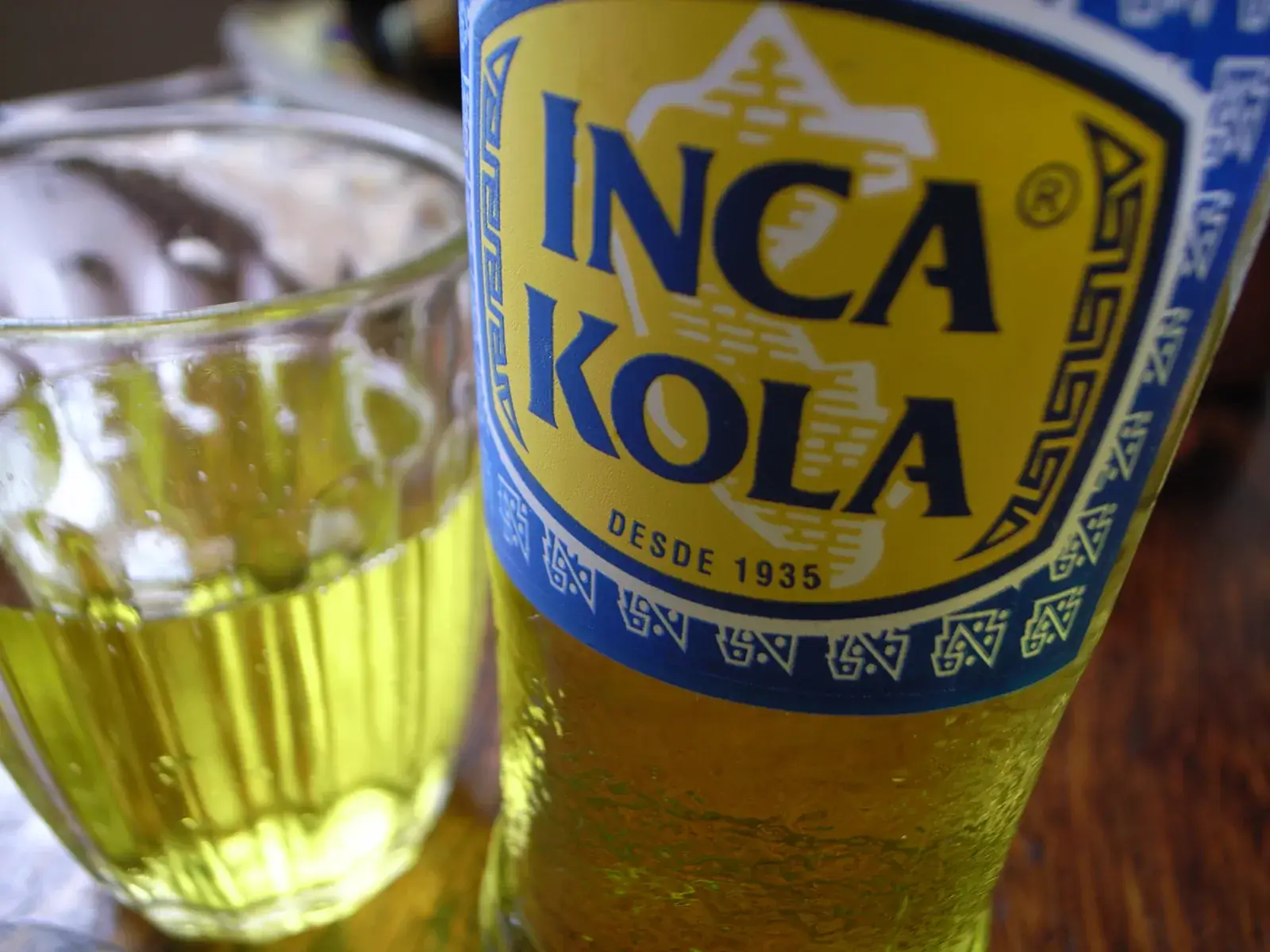
Inca Kola is a golden-yellow, very sweet fizzy drink that is Peru's best-known soft drink. Its flavour is hard to place: most people describe something between bubblegum, cream soda and lemon verbena. It is sold everywhere, from corner shops to restaurants, and it is the usual drink with a plate of rice, chicken or noodles.
Try it once with a proper meal rather than on its own. Served very cold, next to something salty or fried, the sweetness makes sense. Diet and sugar-free versions exist for those who find the original too sweet.
What it tastes like
The first thing most visitors notice is the colour: a fluorescent, almost neon yellow that looks nothing like cola or lemonade. The second is the sweetness. Inca Kola sits at the sugary end of the soft-drink spectrum, and the bubbles are fine and lively rather than harsh.
The flavour is usually compared to bubblegum, pineapple candy or cream soda, with a herbal lift that many Peruvians link to hierba luisa, the lemon verbena used in infusions across the country. The company has never been keen to explain the recipe, so treat those comparisons as impressions rather than ingredients lists.
Because it is so sweet, it tastes best ice cold and in a glass with plenty of ice. Warm from a shelf it can feel cloying. If you are not sure, buy a small bottle in a shop first before ordering a large one in a restaurant, where bottles are usually shared at the table.
A short history, lightly told
The drink dates from the 1930s and is tied to a family of British origin that settled in Lima and built a bottling business there. The name nods to the Inca past, which gave it a patriotic tone that suited the market, and it spread from Lima across the coast and into the highlands over the following decades.
For a long time it was one of the few soft drinks in the world that outsold Coca-Cola in its home country, a point Peruvians mention with pride. In the late 1990s the global company bought a major share in the brand, a change that surprised many consumers but did not change what is on the table: the yellow bottle is still the one most families reach for.
Slogans over the years have leaned on national identity, and the drink appears at birthdays, football matches and Sunday lunches. Dates and ownership details are worth checking before you quote them anywhere.
Tours and activities
Bookable online, chosen for their traveller reviews.
-
★ Top rated From €52 per person
-
★ Top rated From €23 per person
-
Day trip From €38 per person
-
★ Top rated From €85 per person
Why it goes with Peruvian food
Peruvians rarely order Inca Kola for refreshment alone. It is a meal drink, and its logic is contrast. The sugar balances salt, grease and chilli, which is why it is the standard partner of heavy, savoury plates.
At a chifa restaurant, a bottle in the middle of the table goes with fried rice, noodles and sweet-and-sour sauces. At a rotisserie chicken place, the combination of pollo a la brasa, chips, salad and yellow soda is close to a national ritual, and the green ají sauce on the side cuts through the sweetness.
It also works as a foil to spicy cooking. If a sauce is hotter than you expected, a swallow of cold, sweet soda calms the mouth faster than water. That is part of why it sits beside stews, fried fish and the heartier dishes described in what to eat in Lima.
Sizes, variants and how it is served
In shops you will see glass and plastic bottles in several sizes, from single-serve to large family bottles, plus cans. Glass bottles are often returnable, so some small shops ask for the empty back or add a deposit; ask if you want to take one away.
Restaurants usually bring a large bottle and glasses for the table, and a jarra of chilled soda is common at casual lunch places. The standard version is joined by sugar-free and low-sugar editions, and the brand periodically releases seasonal or flavoured versions that come and go. Do not rely on any particular variant being in stock.
Inca Kola is also used as a mixer. In bars, you may find it combined with pisco or with rum, and some home cooks use it in marinades and glazes. These are informal habits rather than classic recipes, but they show how embedded the drink is in everyday cooking.
Where to buy it and what to expect to pay
You will find it in almost every place that sells drinks: small neighbourhood shops called bodegas, market stalls, supermarkets, bus-station kiosks and every restaurant from a street cart to a hotel dining room. Along the road it is sold at roadside stalls even in remote villages.
Prices are low by international standards. A bottle in a shop is among the cheapest things you can buy, restaurants charge more, and tourist-area cafés more again. For a sense of how drinks fit into a daily budget, see daily costs in Peru.
Outside Peru, the drink turns up in shops that serve Peruvian communities and in some international supermarkets. Expat Peruvians often ask visitors to bring bottles or sweets from home, and the taste is closely tied to memories of family meals, which is why it is more than a simple soda to many people.
Inca Kola beside other Peruvian drinks
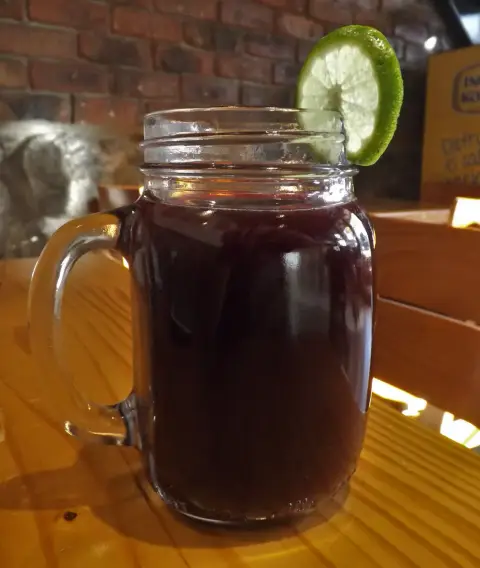
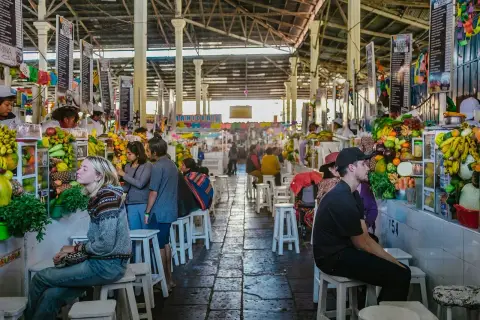
Soda is one of several everyday choices. The purple chicha morada is a home-style alternative that is less sweet and made from boiled purple maize, covered in the guide to chicha. Fresh juices are the other big option, with a long list of local fruits described in the fruit juice guide.
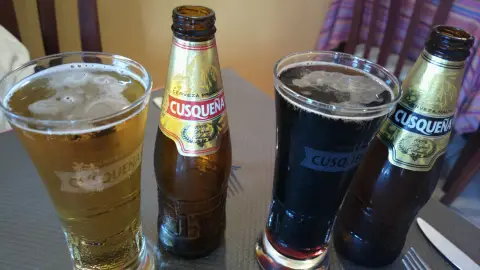
Adults often switch to beer or pisco cocktails in the evening, and Peruvian beer is another staple of the lunch table. Children and drivers tend to stay with soda, so you will see a yellow bottle at almost every family gathering.
If you want to eat like a local at lunch, the usual order is the set menu with a soup, a main plate and a drink, often a jug of juice or a soda. It is an easy way to see the whole pattern in one meal.
Practical notes for travellers
A bottle of sealed soda is a safe drink, which is useful when you are cautious about tap water; the cap protects the contents, and the ice in the glass is the only point to watch. See water and food safety for how to choose ice and drinks in restaurants.
Drinking a lot of sugary soda is a poor way to rehydrate at altitude, where water matters more. A bottle with a meal is fine, but keep plain water for the rest of the day.
If you are vegetarian or avoid certain additives, the drink is generally fine for most diets, but check the label for the current ingredients. The dish that most often travels with it is the street snack or the roast chicken of the street food guide, where a small bottle is part of the price of a combo.
Frequently asked questions
What does Inca Kola taste like?
It is very sweet and fruity, often compared to bubblegum, cream soda or pineapple candy with a herbal note. It is not a cola, despite the name. Drink it cold, with food.
Why is Inca Kola yellow?
The colour is part of the brand's identity, and the drink has looked this way since it was launched. Peruvians treat the bright yellow as a point of pride. The exact recipe is not public.
Is Inca Kola owned by Coca-Cola?
The global company took a large stake in the brand in the late 1990s, and the product is still made and sold in Peru. The detail of the arrangement is the sort of fact to check before you repeat it.
What do Peruvians drink with chifa and roast chicken?
Inca Kola is the classic partner for both. The sweetness cools the chilli sauces and cuts through fried rice, noodles and chips.
Does Inca Kola have caffeine?
Peruvian bottles list their ingredients on the label, and caffeine content differs between versions. Check the label if you avoid caffeine, as it may differ from country to country.
Is there a sugar-free Inca Kola?
Yes. Sugar-free and low-sugar versions are sold in supermarkets and many restaurants, although the original is easier to find in small shops.
Can I find Inca Kola outside Peru?
It is sold in specialist Latin American shops and some larger supermarkets, particularly in cities with large Peruvian communities. Availability varies, and the imported version may taste slightly different.
Is it safe to drink from a bottle in a street stall?
A sealed, cold bottle is usually fine, because the cap protects the contents. Skip ice from an unknown source and use the bottle or a straw directly.