Peru makes wine mainly on the arid southern coast, with the Ica valley the best-known region, followed by vineyards in Arequipa, Moquegua and Tacna and a few valleys near Lima. Styles run from dry reds and whites made from international grapes to sweet, fortified-style bottles that locals have drunk for generations.
Wine is a secondary drink to pisco and beer in Peru, so a bottle is easier to find in restaurants in Lima, Cusco and Arequipa than in market eateries. Visit vineyards on a day trip around Ica, and ask what is currently being poured.
A long history in a dry place
Vines arrived with the Spanish in the sixteenth century, and Peru became one of the first wine-producing regions of South America. Colonial estates in the coastal valleys made wine and, increasingly, the grape spirit that became pisco. Over time, pisco took centre stage, and wine remained a smaller industry.
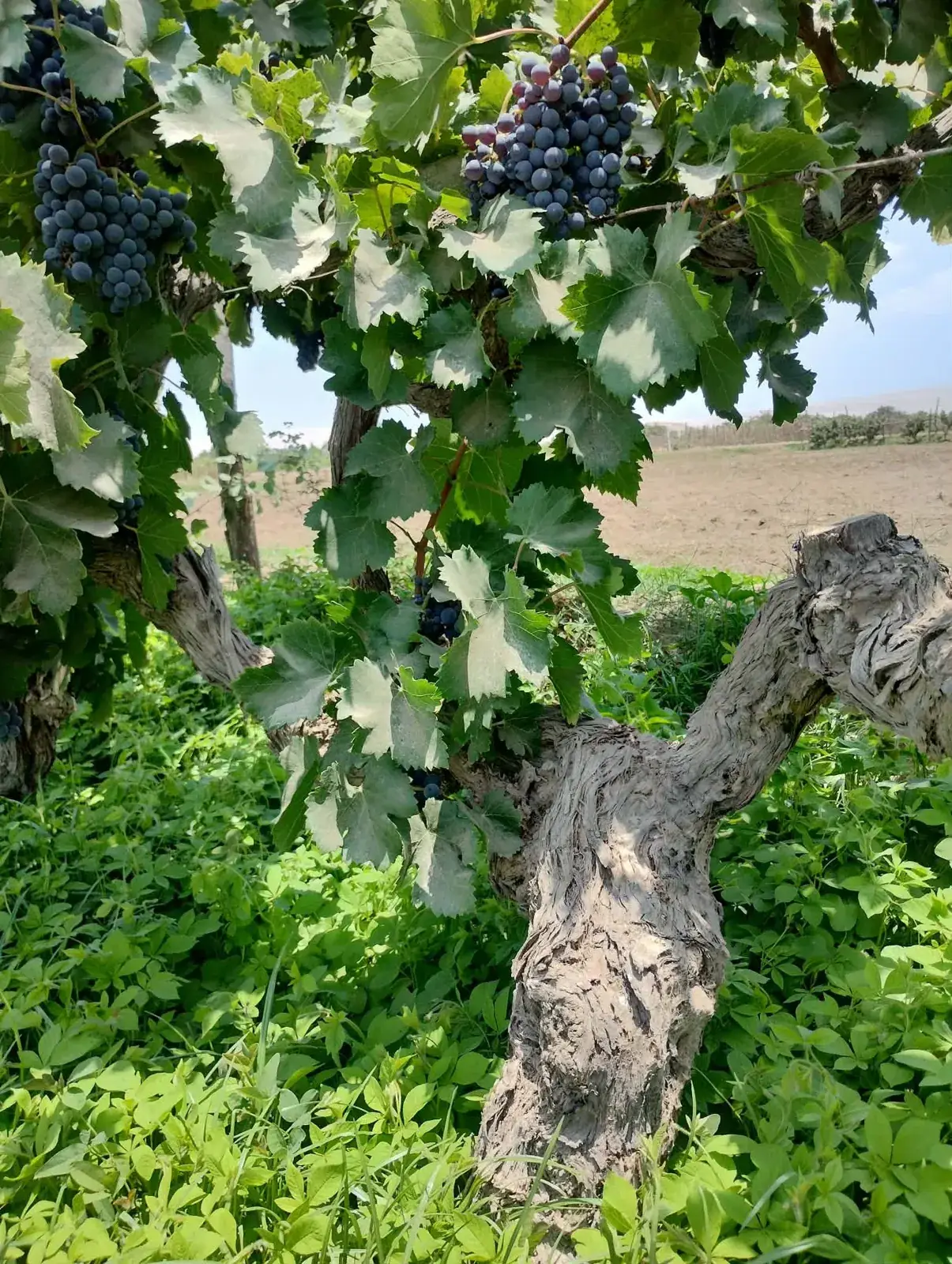
The reason vines do well here is irrigation. The southern coast is a desert, but rivers coming off the Andes feed channels and wells that supply vineyards, while the sun is reliable and nights are cool. Harvest usually takes place early in the year, when many estates open for visitors.
This history means many Peruvian vineyards produce both wine and pisco, sometimes from the same grapes. The old family estates are therefore a good place to compare the two, as described in the pisco guide. For a feeling of the coastal landscape that shapes both, read about Ica and Huacachina.
The Ica valley and the south coast
The Ica valley is the main wine region, and day trips run from Ica town and from the oasis of Huacachina. Vineyards sit among dunes and desert hills, so the setting is very different from European wine country. Nearby valleys and the Pisco area also have producers, and the coast around Paracas is often included in a two-day south-coast itinerary.
Many estates offer a tour that covers the vines, the press, the cellar and a tasting of several wines and piscos. Some still use traditional methods alongside modern equipment, which makes them useful to compare. Tours are arranged by hotels, agencies and drivers, and prices vary by operator and by number of tastings.
Check what is included, whether a driver is arranged, and the opening arrangements before you go, as smaller estates may need advance notice. Tours usually take a half day, and it is easy to combine one with dune activities.
Tours and activities
Bookable online, chosen for their traveller reviews.
-
★ Top rated From €52 per person
-
★ Top rated From €23 per person
-
Day trip From €38 per person
-
★ Top rated From €85 per person
Arequipa, Moquegua and Tacna
Further south, vines grow in the valleys of Arequipa, Moquegua and Tacna, where irrigated oases cut through desert. These regions have a long tradition of wine and pisco production, and their wines are often sold locally with less fanfare than the Ica names.
Tacna, near the Chilean border, is known for its wineries and its fruit, while Moquegua's valleys supply both wine grapes and pisco grapes. The area is less visited than Ica, so a tasting here tends to feel more personal, although facilities are simpler.
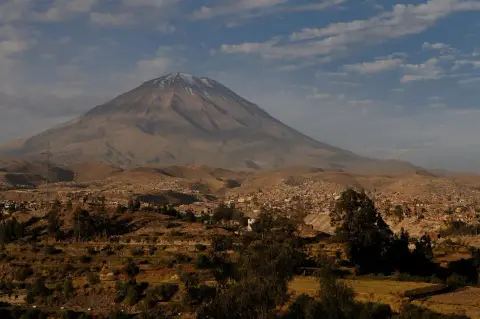
If your route runs through Arequipa, local restaurants and shops can point to regional bottles, and the colonial courtyards that serve pisco often have a short wine list as well. Do not expect a large wine-tourism industry, but small producers welcome visitors with an appointment. Ask in your hotel or a local tourist office about current options.
Grapes and styles
Peruvian producers grow international varieties such as Malbec, Tannat, Cabernet Sauvignon, Sauvignon Blanc and Chenin Blanc, alongside older grapes that are tied to pisco, like Quebranta and the black Criolla. The result is a mix of dry reds, crisp whites and rosés.
There is also a traditional style of sweet wine, rich and sometimes fortified, made from Criolla and similar grapes. It is sold in bottles, jugs and even in bulk in the south, and it is often served with desserts or at festivals. Dry wine is more familiar to visitors, but trying one sweet bottle gives a taste of local habits.
Quality varies. Larger producers offer consistent bottles for export, while small estates may sell only from the farm. Description on labels can be vague, so ask staff what the grapes are and how the wine tastes. Prices for good wine can be higher than expected in restaurants, because of import duties on other brands.
Wine on the Peruvian table
Wine is not the default lunch drink; juice, soda and beer fill that role. But in mid-range and high-end restaurants in Lima, Cusco and Arequipa, wine lists are common and often include imports from Chile, Argentina and Europe as well as Peruvian bottles.
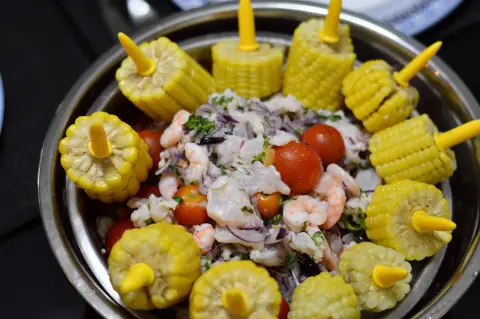
Cooking with ají, citrus and fish makes pairing a challenge. A crisp white or a dry rosé suits ceviche, while a fruity red works with grilled meat and stews. Sweet or semi-sweet wines pair with spicy dishes and with desserts, which is where the local style may suit a Peruvian meal best.
Wine is often sold by the bottle rather than the glass in smaller places, and a house wine may be a Chilean or Argentine label. Ask if a Peruvian option exists and what it costs. A tasting menu in a good restaurant may include Peruvian wine to show what the country makes.
Pisco or wine?
Peru is a spirit country first. Pisco has a protected designation, an annual cocktail celebration and a place in the national identity, while wine has no such public profile. The two are cousins: both come from grapes, and in the same valleys producers may press grapes for wine and distil the rest for pisco.
If you have limited time, a pisco tasting gives the strongest sense of Peru, and a wine tasting is a good second stop on the same day. For visitors with an interest in wine, Peru is not a rival to Chile or Argentina, but it has character, and its arid vineyards are unusual.
When you buy a bottle, consider whether you want something to drink now or to carry home; wine is heavier and more delicate than pisco in luggage. See souvenir tips for carrying alcohol and for customs rules to check before you fly.
Practical tips for a wine day
Go in the morning, when it is cooler and when tours run most smoothly. Bring sun protection, water and a hat; vineyard walks can be hot and shade is scarce.
Ask how many wines are included in a tasting and whether you can buy bottles. Small producers often sell directly from the farm, sometimes at lower prices than shops, but they may accept cash only. Look at labels for vintage and grape, and ask for a recent harvest when buying.
If you plan to take bottles home, check airline and customs allowances, and wrap them in clothing in checked luggage. A cool box is not needed for a few days of travel, but do not leave bottles in a hot car. Most wine day trips from Ica are simple to book on the day, but in peak seasons advance booking is wise.
Frequently asked questions
Is Peruvian wine good?
Quality ranges from simple table wines to well-made bottles from careful producers. It is a niche product compared with Chilean or Argentine wine, so expect some variety.
Where is wine made in Peru?
Mainly on the southern coast: the Ica valley is the best known, followed by valleys in Arequipa, Moquegua and Tacna, with a few vineyards near Lima.
When is the wine harvest in Peru?
Usually in the first months of the year, in the southern hemisphere summer. Dates vary by valley and by year, so ask producers.
What grapes does Peru use for wine?
International varieties such as Malbec, Tannat, Cabernet Sauvignon and Sauvignon Blanc are grown, alongside older grapes such as Quebranta and Criolla that are also used for pisco.
Can I visit a vineyard in Peru?
Yes, mainly around Ica and nearby valleys, through tours arranged by hotels or agencies. Smaller estates in other regions may need an appointment.
Is sweet wine common in Peru?
A traditional sweet style is made in several southern regions and is drunk locally with desserts and at celebrations. Dry wines are more common in restaurants for visitors.
Is wine cheaper than pisco in Peru?
Not always. Pisco is the national spirit and is widely produced, while good wine can cost more in restaurants. Compare prices in shops before you buy.
Can I take Peruvian wine home?
Yes, within your airline and customs limits. Wrap bottles well in hold luggage, and check the liquid rules for your connecting airports.