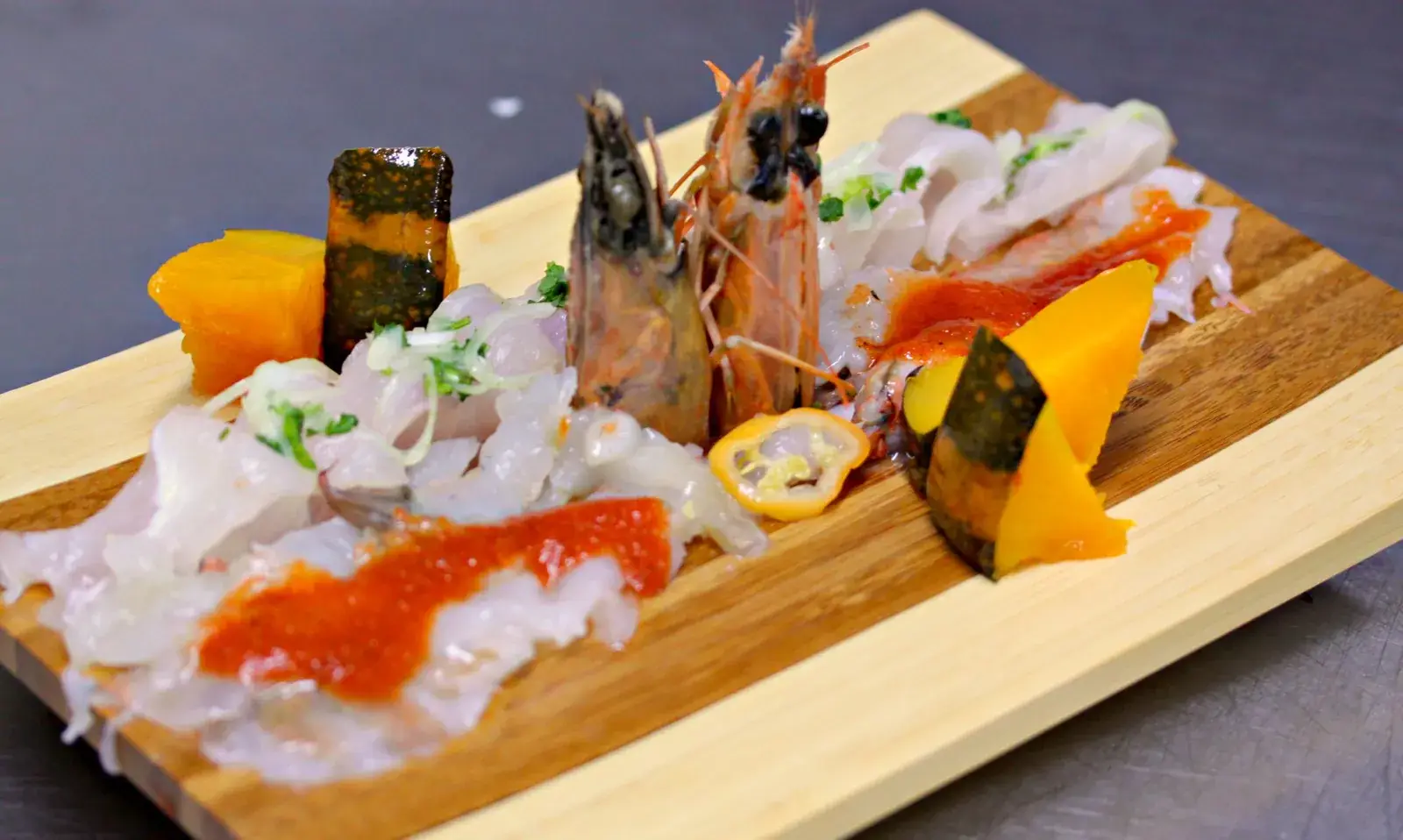
Nikkei cuisine is the cooking of Japanese immigrants in Peru and their descendants, combining Japanese technique with Peruvian ingredients such as ají amarillo, rocoto, lime, Andean potato and the fish of the Pacific. The best-known dishes are tiradito (raw fish sliced like sashimi in a chilli sauce), nikkei ceviche and maki rolls filled with local seafood and sauces.
It is most developed in Lima, where it ranges from inexpensive lunch counters to some of the country's most expensive tasting menus. It is distinct from chifa, which is Chinese-Peruvian.
Where nikkei comes from
Japanese migration to Peru began at the end of the nineteenth century, when workers arrived to labour on coastal sugar estates. Many later moved to Lima and other cities, opening small shops, restaurants and fish stalls. Peru today has one of the largest Japanese-descended communities in Latin America, and the word "nikkei" describes people of Japanese descent living abroad as well as the cuisine they developed.
Early cooks adapted. Soy sauce, rice vinegar and seaweed were hard to find, so they used what was available: Peruvian chilli, lime and local fish. Over generations, the techniques of precise knife work, respect for freshness and a light hand with seasoning merged with the bold flavours of Peru.
From the late twentieth century, chefs trained in both traditions brought nikkei into restaurants, and it became one of the best-known branches of Peruvian cooking internationally. The result is not a copy of Japanese food but a separate cuisine with its own dishes, as described in what to eat in Lima.
Tiradito and the link to ceviche
Tiradito is the dish that best shows the meeting of the two cuisines. Raw white fish is cut into thin slices, in the manner of sashimi, rather than cubes as in ceviche, and laid flat on a plate. A sauce of lime juice, ají amarillo or rocoto and a little salt is poured over it just before serving.
There is no onion, and no marinating time: the fish is eaten at once, so it stays silky. Variations use sesame oil, soy, passion fruit or crushed corn. Tiradito sits close to ceviche, but the effect is more delicate and less acidic.
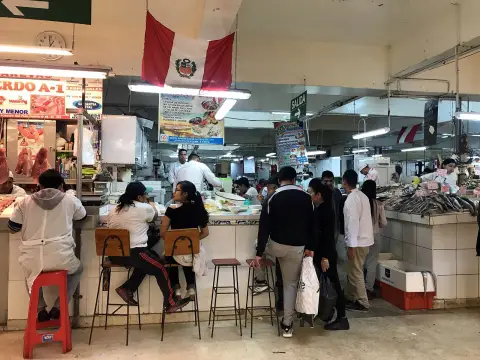
A good tiradito depends on the fish being very fresh and on the cut. Ask which fish is used that day, as the best restaurants buy daily from the market. Because the fish is raw, basic precautions apply, and the advice in water and food safety is worth reading. Pregnant travellers and those with weakened immunity should avoid raw fish.
Tours and activities
Bookable online, chosen for their traveller reviews.
-
★ Top rated From €52 per person
-
★ Top rated From €23 per person
-
Day trip From €38 per person
-
★ Top rated From €85 per person
Nikkei ceviche and other dishes
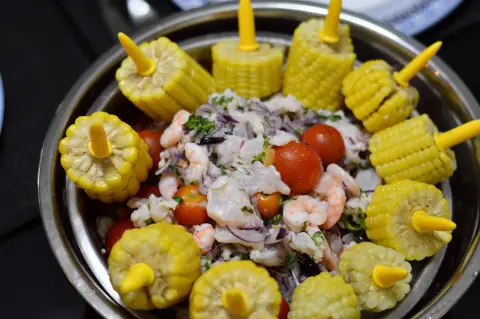
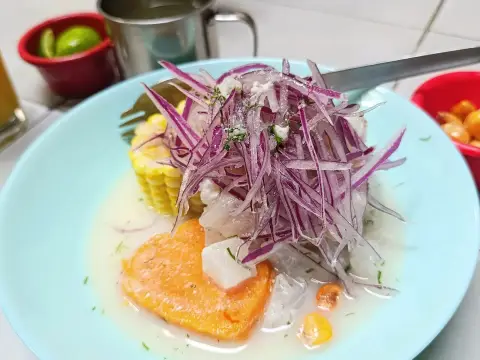
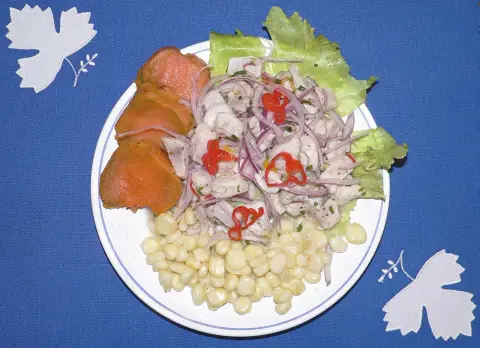
A nikkei ceviche follows the Peruvian form, with cubes of fish, but its marinade often includes soy sauce, ginger, sesame, miso or seaweed, and sometimes tamarind or citrus other than lime. The balance tilts towards salty and umami rather than sharp.
Beyond the raw dishes, nikkei menus include tempura with chilli dips, grilled fish glazed with miso, rice bowls with seafood, and octopus with olive sauce. Many restaurants serve a "tartar" of tuna with avocado and crispy fried noodles. The dishes tend to be light and carefully plated, and the flavours are bright rather than heavy.
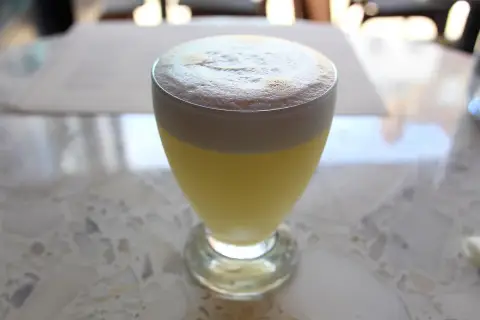
Pairing is part of the pleasure. A glass of pisco-based drink or a light white wine works with raw fish, and some places offer Japanese-style sake or tea. For the Peruvian spirit see pisco. Portions are small, so plan to order several dishes to share rather than one each.
Maki with local ingredients
Sushi in Peru has its own style. The maki rolls, often called "makis" or "rolls", are generous and sauce-heavy, and they use ingredients not found in Japan: ají amarillo, rocoto, avocado, fried plantain, cream cheese, quinoa, prawns in a crisp coating and local fish such as sea bass and flounder.
Rolls are commonly finished with sauces, from sweet and spicy mayonnaise to chilli oil and tamarind, and with toppings such as crispy onion or toasted sesame. Fresh fish is sometimes seared with a torch. Some are rolled inside out, with rice outside and seaweed inside.
Traditionalists may find them heavy, but they are popular in Peru and a good way to try local seafood in a familiar format. Menus often list rolls by name, so ask the staff about the heat level, since chilli sauces vary. Many rolls come with two or three sauces on the side, and a platter for sharing is an easy way to taste several types.
Nikkei versus chifa
The two are often confused because both are Asian-Peruvian, but they come from different communities and taste different. Chifa comes from Chinese immigrants, uses a wok, soy and oyster sauce, ginger and spring onion, and produces dishes such as fried rice and stir-fried beef. It is hearty, generous and inexpensive. The full story is in chifa.
Nikkei comes from Japanese immigrants and relies on raw and lightly cooked seafood, rice, chilli, citrus and subtle seasoning. It is lighter and more precise, and in restaurants it is generally more expensive.
A rough rule: if the dish arrives sizzling in a big portion with fried rice, it is probably chifa; if it arrives as small, carefully arranged pieces of fish with a sauce, it is probably nikkei. Both are central to Peruvian eating and both reflect the same history of immigration. Many Peruvians eat chifa weekly and nikkei on special occasions.
Where to eat it
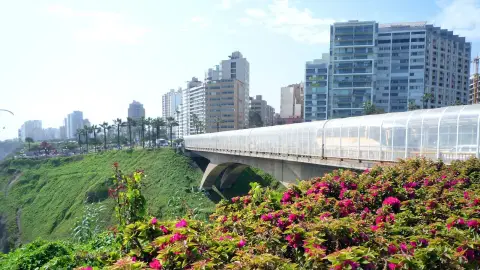
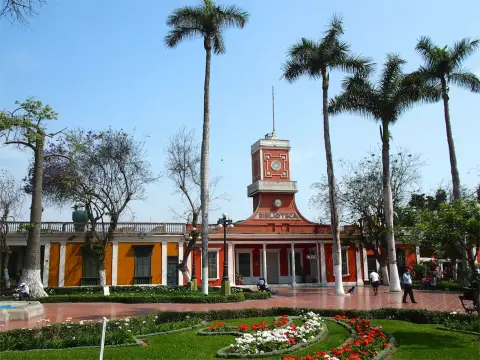
Lima is the centre. The districts of Miraflores and Barranco have several restaurants, from relaxed lunch spots to formal tasting menus, and the neighbourhoods of San Isidro and Surquillo have more local options. Smaller Japanese-Peruvian family restaurants exist in older parts of the city and in the Lima region.
Outside the capital, nikkei restaurants appear in Cusco, Arequipa and some northern cities, often as part of modern kitchens. Check current reviews, since the scene changes quickly. Names are not listed here because restaurants open and close and standards vary.
Booking is wise at the top end, particularly on weekends. A guided session such as those in Lima food tours can include a nikkei stop and explain the dishes. Expect lunch menus to be cheaper than dinner, and a tasting menu to be among the most expensive meals in the country.
Prices, ordering and etiquette
Prices range widely. A simple lunch of rolls or a rice bowl is mid-range, an à la carte dinner is expensive, and a tasting menu with drinks is among the highest-priced meals in Peru. Portions are small, which pushes the bill up, so check the menu before sitting down. Service is often added or tips are expected, as explained in tipping in Peru.
To order, start with a tiradito or ceviche, share a few rolls, and add a hot dish such as grilled fish. Ask what is fresh that day. If you have allergies, mention shellfish, soy, sesame and gluten, since sauces contain them. Vegetarian options exist, such as vegetable tempura and avocado rolls, but fish stock is common in sauces.
Dress codes are relaxed except at the high end. Chopsticks are available, and forks are always offered. Reserve ahead and arrive on time, since tasting menus run to a schedule.
Frequently asked questions
What does nikkei mean?
It is a Japanese term for people of Japanese descent living outside Japan. In Peru it also names the cuisine created by Japanese immigrants and their descendants.
Is nikkei the same as sushi?
No. Sushi is one part of it, but nikkei also includes tiradito, ceviche variants, tempura, grilled fish and rice dishes with Peruvian chillies and citrus.
What is the difference between tiradito and ceviche?
Tiradito uses thin slices of fish served flat with a sauce poured over, with no onion and no marinating. Ceviche uses cubes of fish marinated briefly in lime juice with onion.
Is nikkei food expensive in Peru?
It can be. Casual lunches are mid-range, while à la carte dinners and tasting menus are among the most expensive meals in the country. Check menus beforehand.
Is raw fish in Peru safe to eat?
At reputable restaurants that buy fresh fish daily, generally yes. Avoid it from unreliable sources, and pregnant travellers or people with weakened immunity should skip raw fish.
Where is the best nikkei in Peru?
Lima has the widest choice, especially Miraflores and Barranco. Standards change, so look at recent reviews and ask locals rather than relying on a fixed list.
Can vegetarians eat nikkei?
Some dishes work, such as vegetable tempura, avocado rolls and salads, but many sauces and stocks contain fish. Say so when ordering.