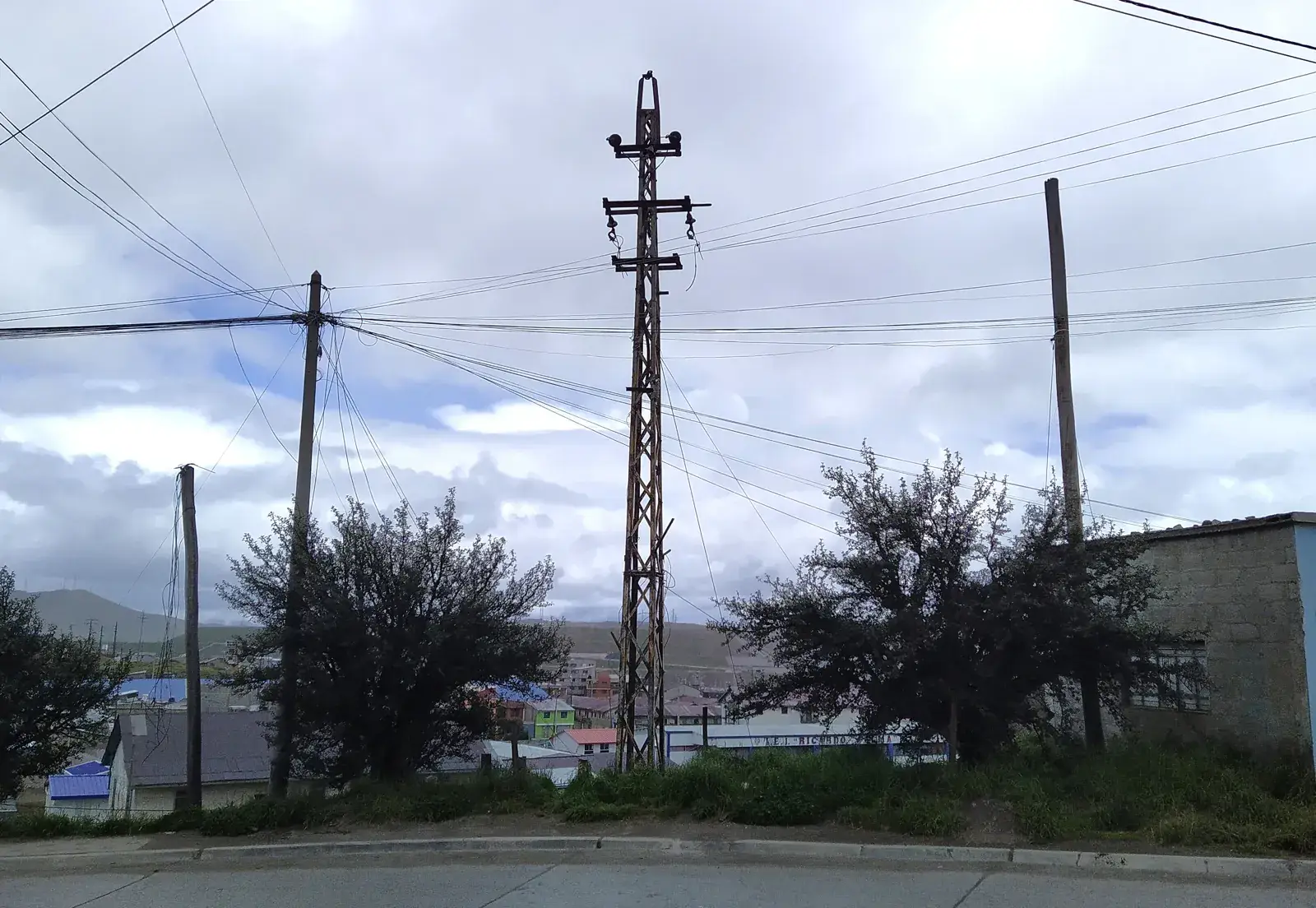
Peru uses 220 V at 60 Hz, with sockets that take plug types A and C, and many accept type B too. Travellers from Europe usually need only a plug adapter, while North American devices need to be checked for dual-voltage. Many chargers handle both, but read the label. Pack a power bank for treks and long travel days.
Voltage and plug types
The standard supply is 220 V at 60 Hz. Plug type A has two flat parallel pins, as used in North America, and type C has two round pins, as used across much of continental Europe. Many sockets are designed to accept both, and some accept type B, which adds a round earth pin. Because the situation is mixed, a universal adapter is the simplest answer.
Frequency matters little for phone, laptop and camera chargers, which are usually designed for a wide input range of roughly 100 to 240 V and 50 to 60 Hz. For these you need an adapter only. Devices that need a converter are mostly hairdryers, shavers, curling tongs and other heating items. Look for the input range on the label. If it says 100-240 V, you are fine.
Charging in practice
Hotels in cities have plenty of sockets, but sockets in older rooms can be few or loose, so a small multi-way adapter or extension helps. Some buses and trains have charging points, but they may not work, so charge before you travel. On the Inca Trail and other treks, there is generally no electricity, so bring a power bank and keep batteries warm at night, because cold drains them faster.
Jungle lodges, such as those near Puerto Maldonado, often run on generators or solar power, with limited hours for charging. Ask your lodge when electricity is available and bring enough spare batteries and memory cards. Keep your devices in a dry bag, and protect them from dust and humidity. For what is worth downloading before you leave, so that a flat battery costs you less, see apps. The packing list puts these items in context, and for the rest of the kit, see trek gear.
Protecting your devices
Power cuts and voltage surges are uncommon in cities but can happen in smaller towns and remote lodges, so unplug valuable electronics during storms and avoid leaving laptops charging unattended. A compact surge-protected adapter is a sensible extra if you carry expensive equipment. Check that your adapter is firmly seated, because loose sockets can cause intermittent charging and heat. Camera batteries, drone batteries and power banks have airline rules that affect hand luggage, so read the carrier's conditions before you fly. If a plug does not fit, hotels will often lend an adapter at reception, and electronics shops in Lima and Cusco sell them cheaply.
Which adapter to buy
A single universal adapter with several pin configurations and a built-in USB port covers most situations, but cheap models can be loose or overheat. Choose a reputable one with a fuse if you plan to run a laptop. Travellers from the UK or Australia need adapters for both pin types, and those from the USA or Canada usually need only one if their devices are dual-voltage.
A multi-port USB charger lets you power several devices from one socket, which is a real advantage in rooms with few outlets. Pack a short extension cord if you like to charge near the bed. Spare cables are worth carrying, as are a few zip bags to keep chargers organised. For the electronics that are permitted at the site, see Machu Picchu packing.
Power banks, cameras and drones
Power banks and spare lithium batteries must travel in carry-on luggage, not in the hold, under standard airline rules, and capacity limits apply. Cold nights at altitude drain batteries quickly, so sleep with them inside your sleeping bag or jacket. For photography, carry a spare battery per camera and a lens cloth.
Drones are regulated and generally restricted near archaeological sites, in protected areas and around airports. Do not assume that a permit is unnecessary. Many sites ban drones outright to protect the ruins and the experience of other visitors.
Lodges, treks and sustainability
In remote lodges and on community stays, electricity may come from solar panels or small generators, with a few hours of supply in the evening. Charge in the common area at agreed times, and avoid running high-power equipment. Bring a solar charger on longer trips if you want to stay independent, though cloud cover in the mountains and rainforest reduces output.
Using less power is part of travelling well. Switch off lights and heaters when you leave, and avoid drying a lot of laundry with electric equipment. For other ways to reduce your impact, see responsible travel, and for how to save battery with offline maps, see SIM and eSIM.
Frequently asked questions
What plug do I need for Peru?
Bring an adapter for flat-pin type A or round-pin type C sockets. A universal adapter covers both.
Do I need a voltage converter?
Not for most phone and laptop chargers marked 100-240 V. Check heating devices individually.
Is there electricity on treks?
Generally not. Bring a power bank.
Can I use my hairdryer in Peru?
Only if it is rated for 220 V or has a switch for it. A 110 V hairdryer can be damaged without a converter, and many hotels supply one.
Are there USB charging points on buses and trains?
Some long-distance buses and trains have them, but they are not reliable. Charge your devices before departure and carry a power bank.
Can I charge my phone at Machu Picchu?
There are no public charging points inside the site, so arrive with a full battery and a power bank. In Aguas Calientes, most hotels and cafés have sockets.
Is it safe to use hotel sockets?
Mostly yes, though sockets in older buildings may be loose or ungrounded. Do not force a plug, and report any sparking or burning smell.