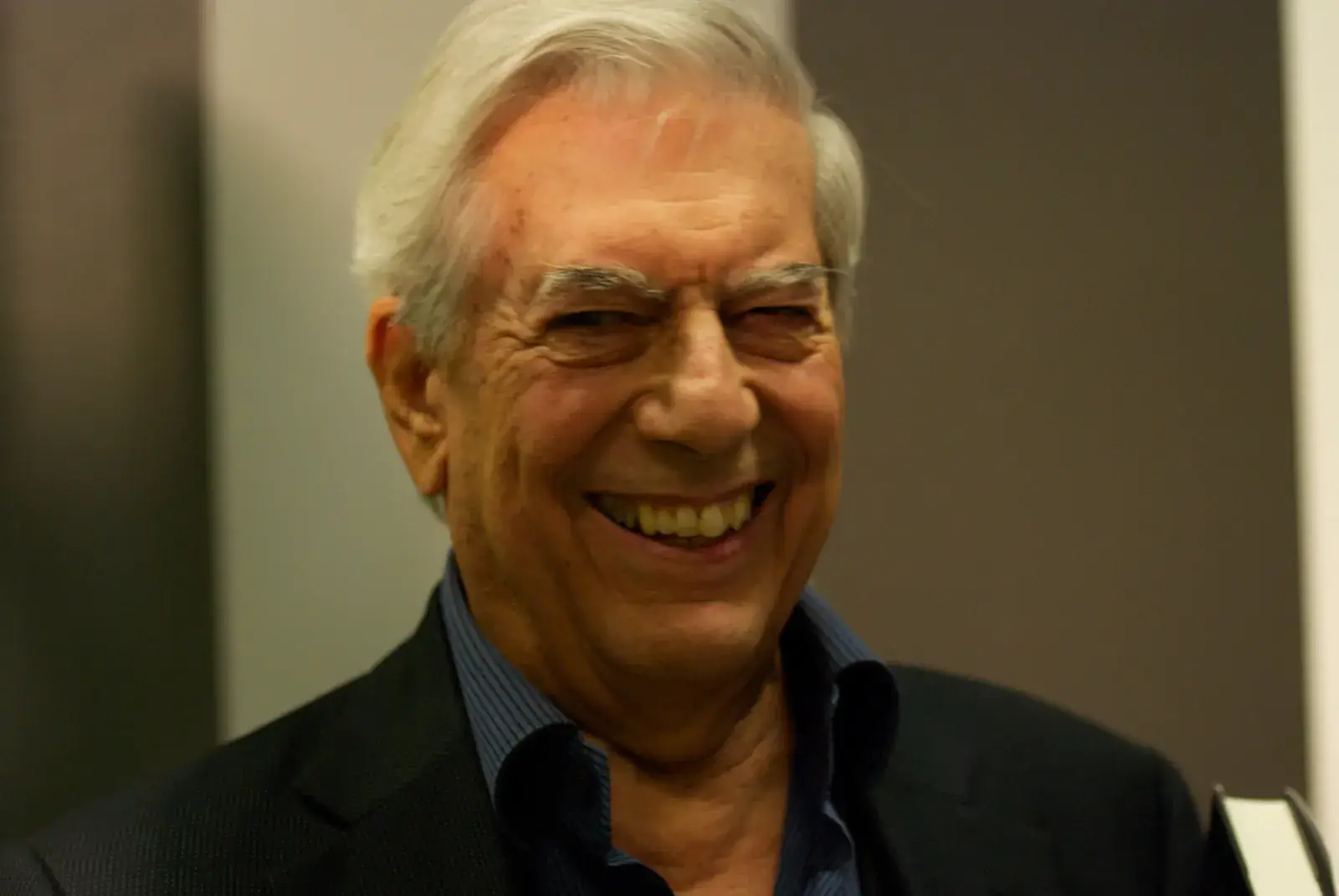
Peruvian literature runs from the chronicles of Inca Garcilaso de la Vega to the novels of Nobel laureate Mario Vargas Llosa. For a trip, the most rewarding reads are Garcilaso for the Inca world, Ricardo Palma for colonial Lima, César Vallejo for poetry, José María Arguedas for the Andes and Vargas Llosa or Alfredo Bryce Echenique for modern Lima. Most are available in English translation, though quality and availability vary by title.
Why read before travelling
A book can give a place a texture that guidebooks cannot. Peruvian writing is shaped by questions that a visitor meets in practice: the meeting of Quechua, Spanish and other cultures, the distance between Lima and the highlands, the memory of conquest and of recent conflict. A few chapters before departure help you understand why languages and identity are such live topics.
This page is a short map rather than a canon. It names authors whose place in Peruvian letters is well established and describes what each is read for, without quoting from them. Titles are given in the original Spanish with a note on the subject; look in a library or bookshop for the English edition, since not every work has been translated and some translations are out of print.
Inca Garcilaso: the Inca world in Spanish
Inca Garcilaso de la Vega (1539-1616) was born in Cusco to a Spanish conquistador father and an Inca noblewoman mother, and spent most of his adult life in Spain. His *Comentarios Reales de los Incas* (1609) is a history of the Inca state written from memory and from the accounts of relatives, in elegant Spanish. It shaped the way Europe imagined the Incas for centuries.
Modern historians treat it carefully. It idealises the empire in places and writes with a clear purpose, and it should be read alongside other sources. Even so, it is the best-known Andean voice of its period, and it works well as background for Cusco and the story told in the Inca Empire. For the conquest itself, see the Spanish conquest, which shows the same events from the other side.
Ricardo Palma and the Lima of the viceroys
Ricardo Palma (1833-1919) wrote the *Tradiciones peruanas*, a long series of short, witty sketches that mix history, gossip and legend from the colonial period and the early republic. They are brief, ironic and full of the voices of old Lima, and they are the most readable way into the viceregal city for someone who wants stories rather than dates.
Palma blends fact and invention, so do not take every anecdote as a record. That is part of the charm, and he is a useful companion when walking the historic centre of Lima, where many of his stories are set. Palma is also remembered as a librarian who helped rebuild the national library after the War of the Pacific, a detail that places literature inside Peru's national history.
César Vallejo: the great poet
César Vallejo (1892-1938) was born in Santiago de Chuco in the northern highlands and is widely regarded as one of the major Spanish-language poets of the twentieth century. His collections *Los heraldos negros* (1919) and *Trilce* (1922) break with convention in syntax and form, and later poems written in Europe deal with suffering, solidarity and the Spanish Civil War.
He is difficult at first, because his language is compressed and strange, and a parallel Spanish-English edition helps. Peruvian schoolchildren know his poems, and his portrait appears in cultural life across the country. If you travel in the north, around Trujillo, his home region is a natural detour for readers; see Trujillo for the area. Poetry is a quicker way into Peruvian feeling than a long novel, and a few poems are enough for an evening.
José María Arguedas: the Andes in two languages
José María Arguedas (1911-1969) grew up speaking Quechua in Andean communities and wrote in Spanish, trying to carry the sound and the worldview of the first into the second. His novel *Los ríos profundos* (1958) follows a boy moving between school life and the Andean world, with an unforgettable passage on the stonework of Cusco. *Todas las sangres* looks at the clash between local power and modernisation.
Arguedas was also an anthropologist and collector of songs and tales, and he translated Quechua poetry. He remains a key voice for understanding the highlands, and his work links to Andean beliefs and to the discussion of the peoples of Peru. He is best read slowly, with a map of the Cusco and Apurímac regions at hand.
Vargas Llosa and the modern novel
Mario Vargas Llosa (1936-2025) won the Nobel Prize in Literature in 2010 and was the best-known Peruvian writer abroad. His first major novel, *La ciudad y los perros* (1963), is set in a Lima military school. *Conversación en La Catedral* is a large portrait of Lima under dictatorship, and *La tía Julia y el escribidor* is a comic, partly autobiographical novel about Lima radio. His work covers many themes, and his political positions were controversial in Peru and elsewhere.
For a trip, the Lima novels are the useful ones: they describe districts such as Miraflores and the centre as they were, which makes today's Lima easier to place in time. He also wrote about the Amazon in *La casa verde*. If you read only one, choose according to length and patience: *La ciudad y los perros* is the most direct.
Blanca Varela, Bryce Echenique and others
Blanca Varela (1926-2009) was one of Peru's leading poets, with a spare, intense style and a long career; she received major international prizes for her work. Her poems are short and suit travellers who want something to read in transit.
Alfredo Bryce Echenique (born 1939) wrote *Un mundo para Julius* (1970), a satirical novel about a boy growing up in Lima's elite, seen through the servants and the family. It is funny, affectionate and sharply critical, and a good complement to the other Lima books. Also worth knowing are Ciro Alegría, whose *El mundo es ancho y ajeno* is a classic of the Indigenous novel, and Julio Ramón Ribeyro, admired for his short stories. Many bookshops in the Barranco and Miraflores districts of Lima stock Peruvian authors, and some have shelves in English; the neighbourhood is described in Barranco.
A short reading plan by trip
For a trip centred on Cusco and the Sacred Valley, read Garcilaso in extracts and Arguedas' *Los ríos profundos*. For Lima, pair Palma's sketches with a Vargas Llosa or Bryce Echenique novel. For the north coast and Trujillo, add Vallejo's poems. For the Amazon, try *La casa verde* or Amazonian narratives collected by anthropologists, noting that Indigenous voices are increasingly published in their own right.
Bring a book in print or on an e-reader for long bus rides. If you prefer audio, some of these works exist in audiobook form. After the trip, return to the same texts: places you have seen give the pages new meaning, and a revisit often shows how much a writer observed.
Frequently asked questions
Which Peruvian book should I read first?
For a general first read, *La ciudad y los perros* by Vargas Llosa or *Los ríos profundos* by Arguedas are strong starting points. Choose the first for Lima and the second for the Andes.
Did Mario Vargas Llosa win the Nobel Prize?
Yes, in 2010, for his cartography of structures of power and his images of the individual's resistance. He is the only Peruvian winner of the Nobel Prize in Literature.
Are Peruvian books available in English?
Many major works are, including Vargas Llosa, Arguedas, Vallejo's poems and Palma's *Tradiciones*, although some editions are hard to find. Libraries and second-hand shops are good sources.
Who is the most important Peruvian poet?
César Vallejo is generally regarded as the major figure. Blanca Varela and others are also admired, and poets writing in Quechua have become better known in recent decades.
Is Garcilaso's history reliable?
It is valuable but not neutral. He wrote decades after the conquest, from family memory and from Spain, and he presents the Incas in a favourable light. Historians use it with other sources.
Is there a Peruvian book about Machu Picchu?
Few major Peruvian literary works centre on it, and most writing about the site is historical or archaeological. For atmosphere, Arguedas' writing on Cusco gives better context than most guidebooks.
Are there Peruvian authors writing in Quechua?
Yes. Oral and written Quechua literature exists, from traditional songs to modern poetry. Arguedas translated some, and today a number of poets publish in Quechua, often with Spanish versions.