Peru's most useful museums for a first visit are in Lima: the Museo Larco for pre-Columbian art, the Museo de Arte de Lima (MALI) for five centuries of Peruvian art and the Museo Nacional de Arqueología, Antropología e Historia for the wider national story. In Cusco, the Museo de Arte Precolombino is the standout, and in the north the royal-tomb and site museums near Chiclayo and Trujillo hold some of the continent's finest finds. Opening days and fees change, so check them shortly before you go.
How to choose among Peru's museums
Peru has hundreds of museums, from national institutions to small municipal rooms, and a visitor with a few days needs a method. Match the museum to the sites you will see. If you are heading to Machu Picchu or the Sacred Valley, an introduction to Inca and earlier cultures before the trip makes the ruins easier to read. If you are going north, the royal tombs and temple finds explain monuments that are otherwise mostly adobe walls.
Museums are strongest where they hold objects from nearby excavations, so regional and site museums often beat big-city ones for the culture you are about to visit. Most are closed on one weekday or on public holidays, and several have changed their opening arrangements in recent years, so check before travelling. Fees are generally modest compared with international norms, and student or national rates exist, but amounts change.
Lima: Larco and the national museum
The Museo Larco, in the Pueblo Libre district, is housed in an eighteenth-century mansion built over a pre-Columbian pyramid. It is known for its clear chronological display of ceramics, gold and silver, and for an open storage gallery where thousands of vessels can be seen. A separate gallery of erotic pottery is an unusual part of Moche culture and is clearly signposted for those who prefer to skip it. Read more in the Larco Museum guide.
The Museo Nacional de Arqueología, Antropología e Historia is in the same district and is the national museum of the subject. It holds stone monuments from the early Chavín culture, textiles, ceramics and republican history, and gives a broad overview of the pre-Inca civilisations. Allow separate half-days for the two museums; they are close, but each is large enough to absorb the time.
Lima: art, memory and site museums
The Museo de Arte de Lima, known as MALI, is set in the Palacio de la Exposición in a central park and tells the story of art in Peru from pre-Columbian times to the present, including colonial painting, republican portraits and modern work. Its programme of temporary exhibitions changes, so look at what is on before you go. A quieter alternative for contemporary work is described in contemporary art in Peru.
The Lugar de la Memoria, on the coast in Miraflores, is a museum and memorial about the internal armed conflict of the 1980s and 1990s. It is serious and moving, and worth it for those who want to understand modern Peru. Site museums at Pachacamac and Huaca Pucllana also give context to the ruins you walk through, as do the catacombs and library at the convent of San Francisco in the historic centre.
Cusco: Inca, colonial and pre-Columbian art
Cusco concentrates museums in a few central streets. The Museo de Arte Precolombino, in a colonial mansion near the Plaza Regocijo, presents pieces from across ancient Peru, arranged as art rather than as archaeology, with careful lighting and explanation. It is a good place to see gold, ceramics and ceremonial vessels if you did not visit Lima's museums.
At the site of the Inca Sun Temple, the Qorikancha has a small museum within the convent of Santo Domingo, which was built on the temple. Elsewhere in the centre, museums of regional history, religious art and the Cusco School of painting are easy to combine with a walk. The Cusco School shows how Andean painters reinterpreted European religious art. The Museo Machu Picchu in the Casa Concha presents objects excavated at the citadel; check its current status before planning around it.
The north: royal tombs and site museums
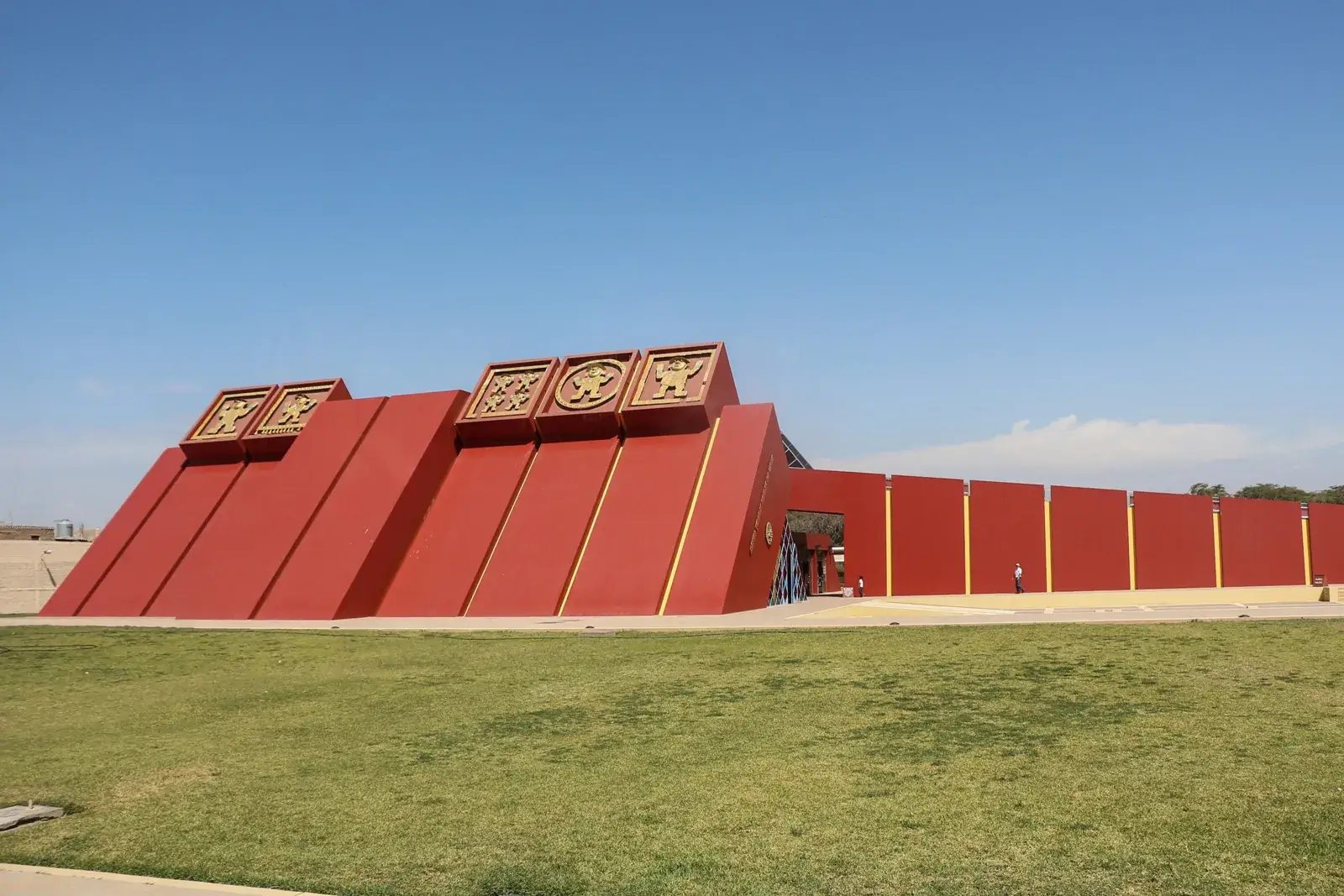
The north coast has some of the best museums in the country, partly because the dry climate preserved so much. Near Chiclayo, the Museo Tumbas Reales de Sipán, in Lambayeque, presents the burial finds of the Moche ruler known as the Lord of Sipán, with gold, jewellery and a reconstruction of the tomb. It is among the most impressive museums in South America and pairs with the site; see Sipán.
Around Trujillo, site museums explain the Moche temples and the vast adobe city of Chan Chan, capital of the Chimú. At Túcume, near Chiclayo, an on-site museum accompanies the pyramids. These museums are best treated as part of a site visit, not as separate trips, and their exhibits are usually well labelled in English as well as Spanish.
Southern and highland museums
In Arequipa, the museum devoted to Juanita, the Inca ice maiden discovered on Ampato volcano in the 1990s, is the best-known; the story and the ethics of displaying a body are covered in the Juanita Museum guide. Several other cities have university or municipal museums with local collections, such as Ayacucho, Cajamarca and Puno, and these tend to be quiet, small and informative.
On the Peruvian coast near Paracas and Nasca, small museums show the textiles and ceramics of the local cultures. They are good stops if the opening hours are published, but they can be closed unexpectedly, so ask your hotel or the local tourist office. When museums are limited, a good archaeological site with signs can fill the gap.
Planning a museum visit
Choose one or two museums per day, and put them early or late when the weather or the altitude is hard on walking. In Cusco, give your first day to acclimatising and keep museums for later; the advice in Cusco applies. Check closing days, which are often Monday or a different weekday, and whether tickets must be bought in advance or paid in cash.
Photography rules vary: many allow photos without flash, some ban cameras in particular rooms, and sacred or sensitive material may be restricted. Audio guides or guided tours are offered at the larger museums, and they add a lot where labels are short. Bring a small bag, as large backpacks may need to be left at a cloakroom. Many museums have a shop that sells reproductions made under licence, a safe alternative to buying original-looking pieces elsewhere.
Frequently asked questions
What is the best museum in Lima for a first-time visitor?
The Museo Larco is the easiest to enjoy, thanks to clear displays and a garden setting. If you prefer art over archaeology, choose MALI. Both can be reached by taxi in Lima's central districts.
Is the Museo Larco worth the entrance fee?
For most visitors yes, because it presents ancient Peruvian art in one coherent sequence. Fees change, so check the current price and any online tickets before you go.
How many museums can I visit in a day?
Two large museums is a sensible limit, and one is enough in Cusco on a day when you are adjusting to altitude. Plan a break for lunch between them.
Are Peruvian museums open on Mondays?
Many national museums close on one weekday and on some public holidays, and that day is often Monday, but it differs by museum. Check the official website or ask at your hotel.
Can I take photos in Peruvian museums?
Often yes without flash, but rules differ by room and by museum. Look for signs at the entrance and ask staff before photographing mummies, human remains or sacred objects.
Are there museums at Machu Picchu?
A site museum is linked to the citadel, and the Casa Concha museum in Cusco shows objects excavated there. Check which are open and what they cost before you travel.
Which museum shows the Lord of Sipán?
The Museo Tumbas Reales de Sipán, in Lambayeque near Chiclayo, displays the finds from the royal tombs. A full day trip from Chiclayo can cover it and the nearby pyramids.