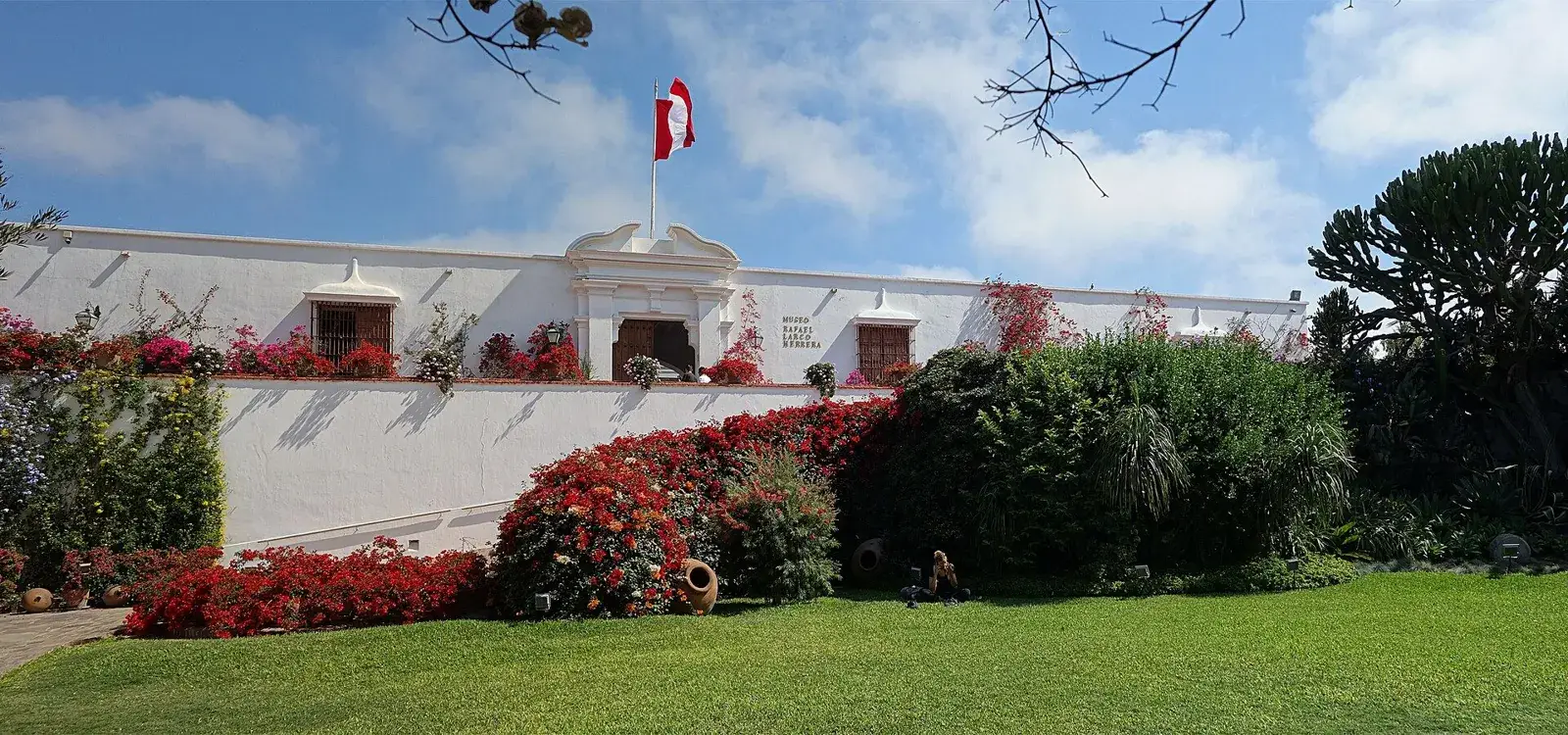
The Larco Museum is a private museum in a restored colonial-era mansion in Lima, with a large collection of pre-Columbian Peruvian objects from many cultures. Allow around two hours. It works as an introduction to the civilisations behind sites such as Chan Chan, Sipán and Nazca, so it is especially useful early in a trip.
Map
Why it is worth a visit
Peru's coast and highlands were home to many cultures long before the Incas, and their art survives mostly in ceramics, textiles and metalwork. The Larco Museum organises this material so that a visitor can follow the sequence across thousands of years. It is housed in an old mansion with gardens, which gives a calm setting in contrast to the city outside.
The museum was founded by the Larco family, who collected objects, particularly from the north coast. It is therefore strong on cultures from that region, such as the Moche, known for their expressive portrait ceramics. If you are planning to continue north to Trujillo or Chiclayo, the museum will give you useful background first.
What you will see
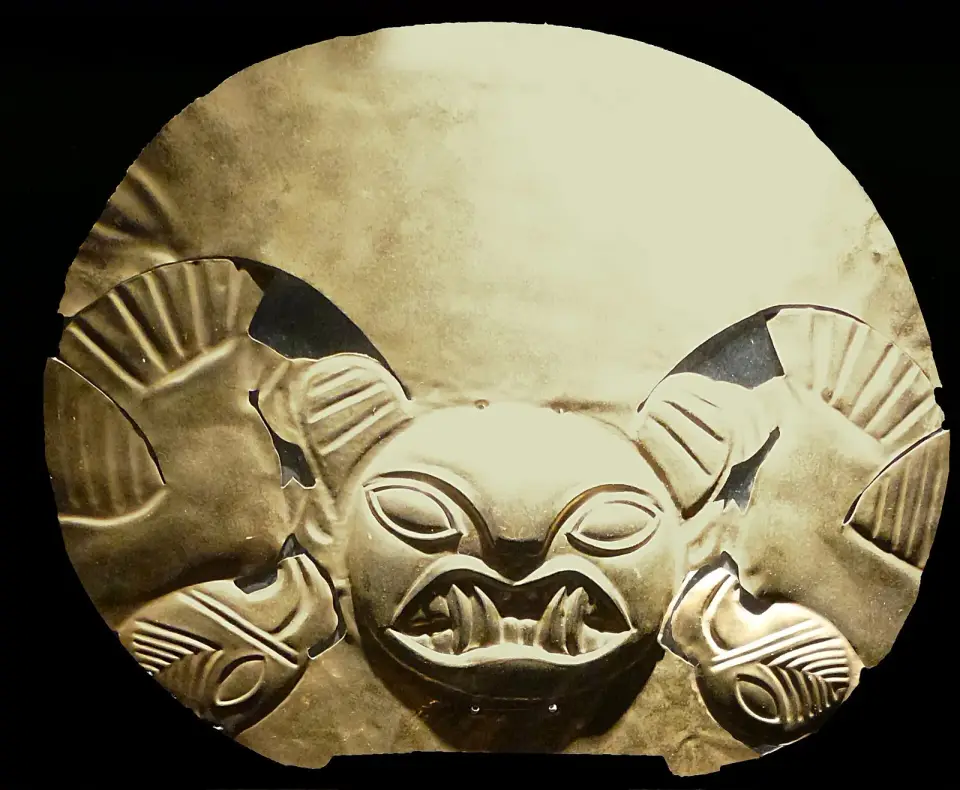
The main galleries show pottery from different periods and regions, with labels that explain the cultures and their uses. Look for Moche portrait vessels, which show individual faces, and for ceramics with detailed scenes of daily life and ritual. There are also gold and silver objects, textiles and jewellery displayed as works of art.
The museum has a separate gallery of erotic ceramics, which is clearly marked and can be skipped by anyone who prefers to. It is a topic that features in some pre-Columbian pottery and is presented with explanatory labels.
The storage galleries, where large numbers of ceramic pieces are shown in glass-fronted rows, give a sense of the scale of the collection. Many visitors find this part striking, though it is less explained than the main rooms. The museum also has a garden and café, which make it easy to take a break.
Tours and activities
Bookable online, chosen for their traveller reviews.
-
★ Top rated From €52 per person
-
★ Top rated From €85 per person
-
★ Top rated From €94 per person
-
★ Top rated From €55 per person
How the collection connects to the sites
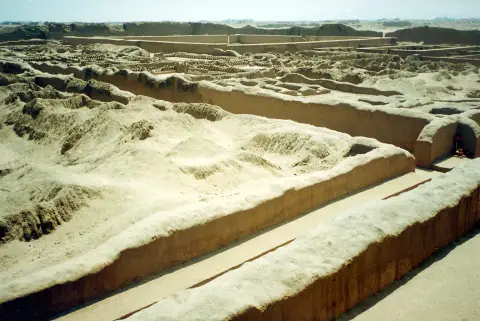
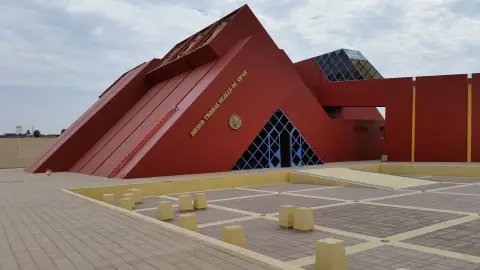
The museum is most rewarding when you treat it as a map of what you will see later. The ceramics and metalwork on display come from the same cultures that built the great adobe cities and pyramids of the coast. A portrait vessel in a glass case becomes more meaningful once you have stood at Chan Chan or at the tomb site of Sipán, where the Moche and later coastal rulers left the elaborate burials that fill museum cases.
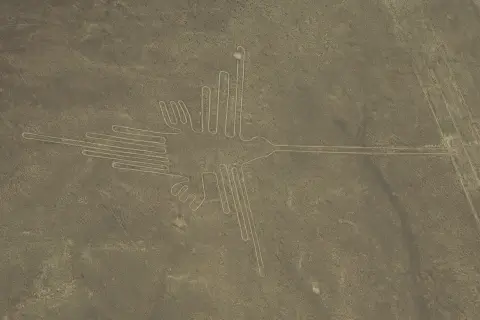
On the south coast, the pottery and textiles associated with the Nazca culture are linked with the desert drawings you can fly over at the Nazca Lines. Seeing the designs on cloth and ceramic first makes the geometric and animal figures on the ground easier to place.
Some of the best pieces from the north are in regional museums rather than in Lima, but the Larco gives the overview in one place. Treat it as the introduction, and use the regional museums for depth.
Planning the visit
Allow about two hours for a proper look, longer if you enjoy reading labels or taking a guided tour. Audio guides or guides may be available.
The museum is in Pueblo Libre, a residential district, so you will need a taxi or ride-hailing from Miraflores or the historic centre. Combine it with a lunch in the area or with other places in the district if you want a fuller day.
If you arrive tired from travelling, it is a calm, low-effort first activity compared with a day of street sightseeing.
Combining it with other Lima stops
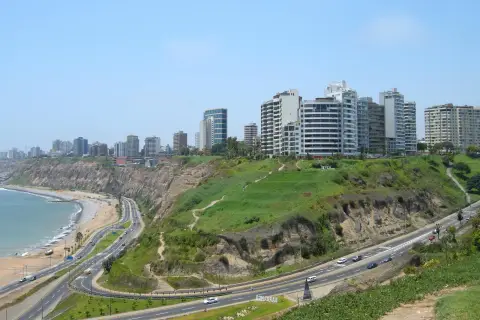
The museum fits well in a morning, with the afternoon left for something else. Many visitors pair it with the historic centre, though the two are in different parts of the city and a taxi is needed between them. Others return to the coast for a clifftop walk in Miraflores and an evening meal.
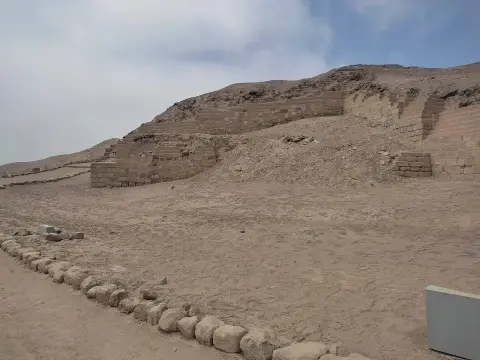
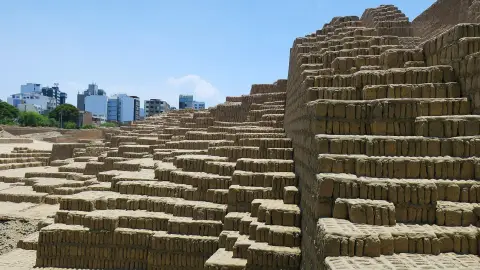
If your interest is archaeology on the ground, Huaca Pucllana is the nearest excavated site and Pachacámac is the largest within reach of the city. Visiting a museum first and a site second tends to work better than the reverse, because the objects give the structures a human face.
For suggestions beyond these, see things to do in Lima. If you prefer a guided approach, Lima tours explains the combined tours that include a museum stop.
Who will enjoy it most
The museum suits travellers who like to understand what they are looking at. It is also a good rainy-day or hot-afternoon option, since the galleries are indoors and the garden is pleasant. Families with older children may enjoy the portrait vessels and the sheer quantity of objects, while very young children may find the labels dull and the cases too high.
If you are short of time and mainly interested in the outdoors, you can skip it. But if you are heading north to the Moche sites or south to the desert lines, an hour or two here gives a framework that guided tours at the sites often skip.
Rules on cameras and flash vary between museums. Lockers or a bag check may be required, so travel light and bring only what you need into the galleries.
Where to sleep
-
Find hotels
Miraflores
Easy first base: restaurants, parks and the cliff-top walk
-
Find hotels
Barranco
Art, nightlife and a seaside feel, quieter by day
-
Find hotels
San Isidro
Calm business district with parks, close to Miraflores
-
Find hotels
Historic Centre
Colonial sights on the doorstep, busy by day and quiet at night
Frequently asked questions
How long do I need at the Larco Museum?
About two hours is a comfortable visit. A quick highlights visit can be done in less, while enthusiasts can spend longer.
Is the Larco Museum worth it if I am going to see archaeological sites?
Yes. It gives context for the cultures you will meet at the sites, and it shows objects that are now in museums and no longer at the sites themselves.
Do I need to book in advance?
Ticket and booking requirements can vary, so reserving ahead is the safest approach for busy periods.
Where is the Larco Museum?
It is in Pueblo Libre, a residential district of Lima, not in Miraflores or the historic centre. A taxi or ride-hailing car is the usual way to reach it. Allow for traffic when you plan the day.
Is the erotic gallery compulsory?
No. It is a separate, marked gallery and can be skipped. Visitors travelling with children often choose to leave it out.
Which cultures does the museum cover?
It covers a long sequence of Peruvian cultures, with particular strength in the north coast, including the Moche. See Huacas de Moche for the sites linked to that culture.
Should I visit the Larco Museum or Pachacamac?
They do different things. The museum is a calm, indoor overview of the cultures, while Pachacámac is an outdoor site that needs a half day. If time allows, do both, museum first.
Is there food at the museum?
There is a garden and a café, which makes it easy to break the visit in two. Check on the day what is open and whether you need a reservation for meals.