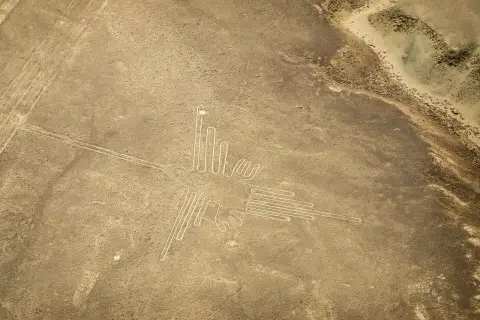
The Nazca Lines are huge figures and lines scratched into the desert floor in southern Peru, best appreciated from the air. Most visitors take a short flight from Nazca, which can cause motion sickness; a roadside viewing tower is a cheaper but limited alternative. The lines are generally attributed to the Nazca culture, but their purpose is still debated, so be wary of confident single explanations.
Map
What the lines are
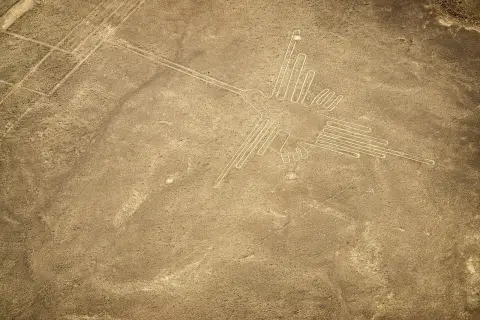
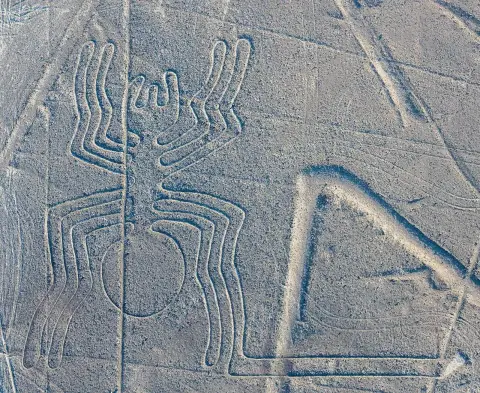
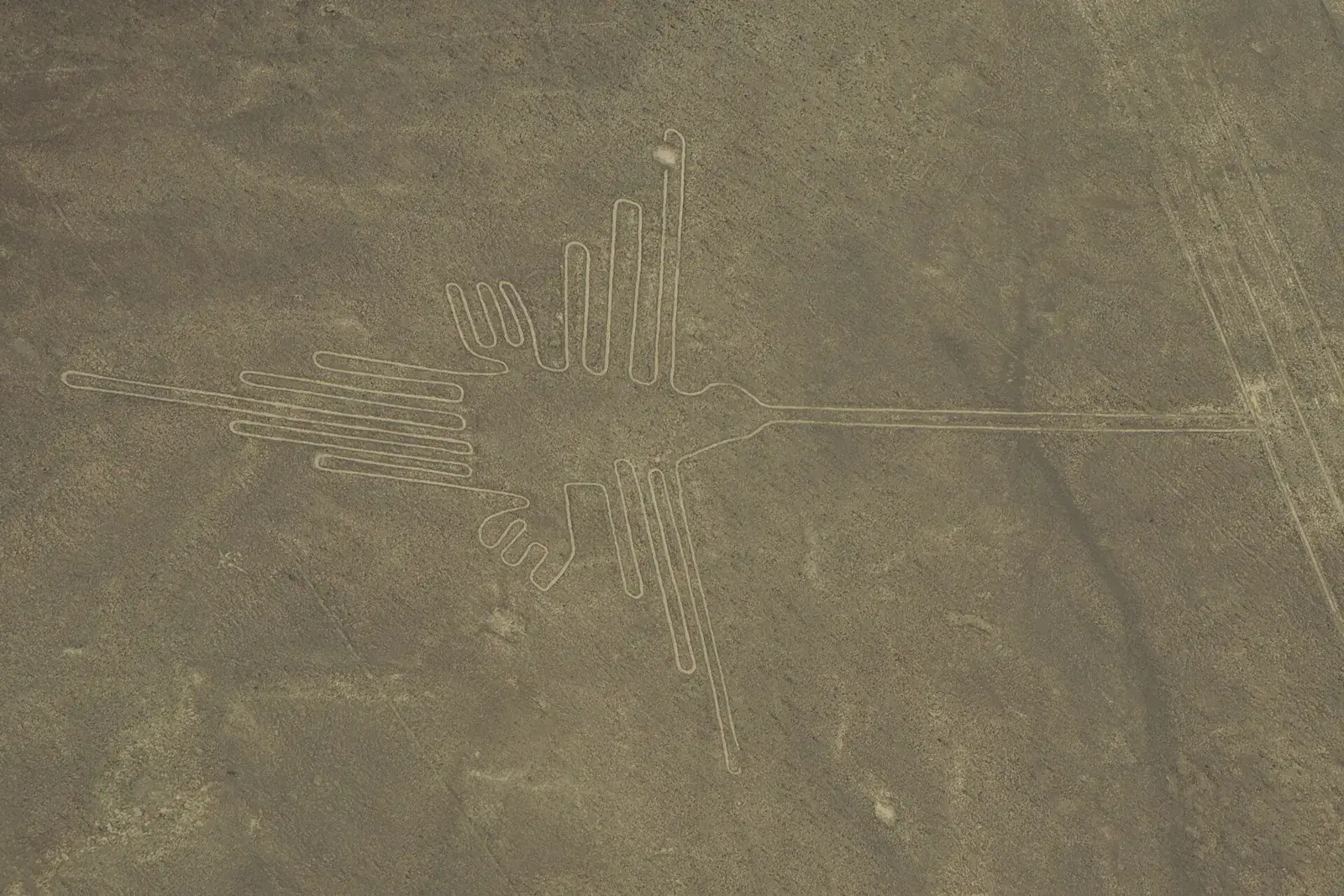
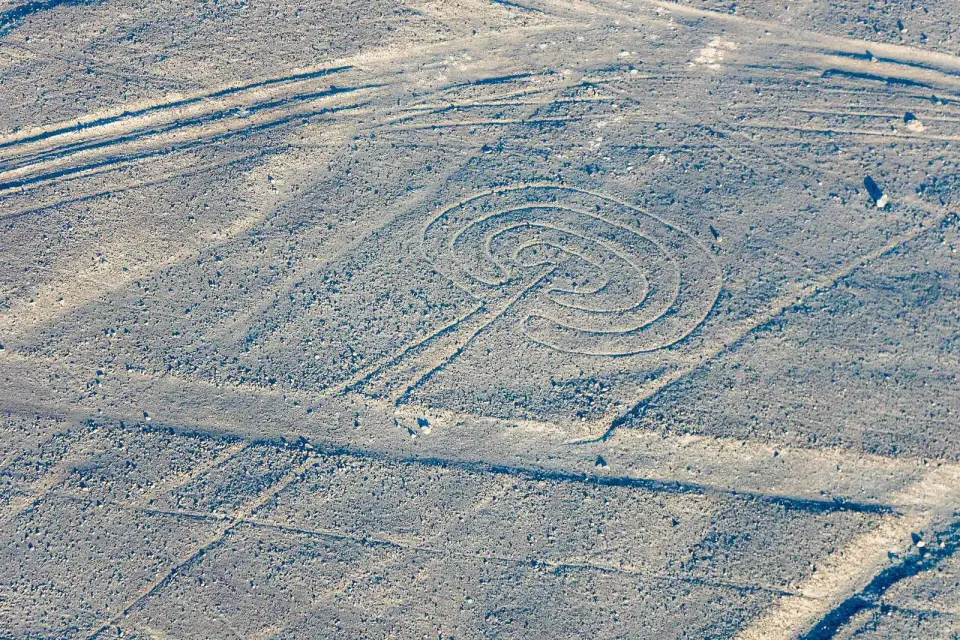
The lines and figures were made by removing the dark surface stones to expose the lighter ground beneath. The desert here is extremely dry and stable, which has helped them survive. Designs include geometric shapes and long straight lines, as well as animal figures such as a hummingbird, a monkey and a spider, which are among the best known.
They are generally attributed to the Nazca culture, which flourished in this region in the early centuries of the first millennium. The question of why they were made is open. Suggestions include ceremonial paths, links to water and fertility, astronomical alignments and combinations of these. No single theory is accepted by all researchers, and claims about aliens are not supported by archaeological evidence. The lines are a UNESCO World Heritage site.
Flight or viewpoint?
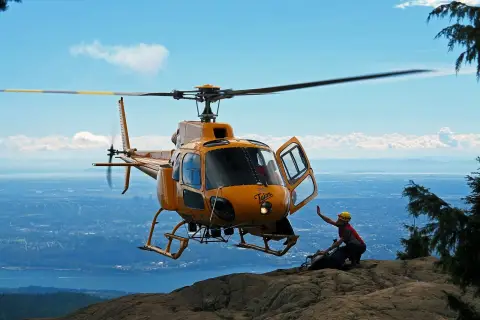
The flight is the standard way to see the figures. Small planes leave from the airfield near Nazca, with a pilot flying circuits so that passengers on each side can see the shapes, which are pointed out over the intercom. The flight is short, but the aircraft banks sharply, and many passengers feel sick. If you are prone to motion sickness, eat lightly, take a remedy in advance and choose a seat with a clear view.
Safety is worth a serious look. Small-aircraft operators vary in standards and there have been accidents in the past. Compare companies, ask about maintenance and pilot training, and prefer operators with a good reputation rather than the cheapest offer. Flights can be cancelled in poor visibility or wind, usually in the afternoon, so mornings are the best time.
A viewing tower on the highway lets you see a few figures, such as a pair of hands and a tree, from a modest height. It is cheap and quick, but the view is limited. There are also museums and a planetarium in town, which give context to what you see from the air.
Tours and activities
Bookable online, chosen for their traveller reviews.
-
From €40 per person
-
From €40 per person
Planning the visit
Nazca is a long drive from Lima and a shorter one from Paracas or Ica, so it often forms part of an overland route in the south. Many visitors arrive, take the flight and continue the same day, but an overnight stay makes the schedule less rushed.
Prices for flights change and often include airport fees, so ask what is included. Pay attention to the flight length and the number of figures shown, which differ between operators. Fees at the airfield and rules for flight bookings are set locally.
If you are unsure whether the flight is worth it, see whether Nazca is worth it for who gets the most from it. Whatever you choose, keep to the roads and paths, as walking on the lines damages them.
The theories about purpose
Ideas about why the lines exist fall into a few families. One reading sees them as ritual pathways, walked in ceremonies connected with water, which is precious in such a dry region. Another links them to astronomy and the calendar, with lines marking the rising or setting of heavenly bodies. A third suggests that the figures were offerings to deities, drawn on a scale that suited gods watching from above.
Each theory has supporters and critics, and some features of the lines fit one idea better than another. Researchers who studied the site over decades, including the German-born mathematician Maria Reiche, devoted much of their lives to mapping and protecting the lines, and her name is still attached to the site and its museum. Such work is a reason the lines are as well documented as they are.
When a guide or pilot offers a single explanation, listen politely and remember that the honest summary is: the Nazca culture made them, and the reasons remain uncertain. That uncertainty is part of what makes the site interesting.
Getting there from Lima, Paracas and Ica
Nazca sits on the Panamericana highway in the desert of the south coast. The bus trip from Lima takes many hours, so most visitors break the journey at Paracas or at the dunes of Huacachina and go on from there. The route is part of the classic southern loop, described in the south loop itinerary.
Some visitors take a flight from another departure point or add a long day trip from Ica. This is possible but tiring, and it can leave little margin if a flight is delayed. If you can spare a night in Nazca, you will have a second chance at a clear morning if the first one is cancelled.
Whichever way you travel, book the return transport with a margin. Flights can be delayed, and a tight connection to a night bus is a common cause of stress. See Lima to Nazca journey for the practicalities.
Who gets the most from it
The flight rewards travellers who enjoy views from the air and do not suffer from motion sickness. Those who are curious about archaeology but not keen on small aircraft may be better served by the viewing tower and the local museums. People with a limited schedule, a tight budget or health conditions that make small planes unsuitable can reasonably skip the flight.
It is also worth thinking about weather. Haze can reduce visibility, and winds make the plane bumpier, so it is best to book with a flexible slot. Take sunglasses and a camera with a fast shutter; photographs through a window can be disappointing, but the memory is the main purpose.
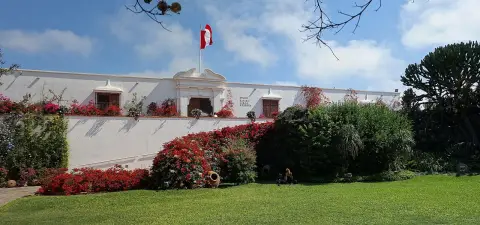
For help in deciding whether Nazca deserves your time, see whether Nazca is worth it. If your trip includes the Larco Museum in Lima, the textiles and ceramics there give extra context for the culture, as explained on Larco Museum.
Where to sleep
-
Find hotels
Nazca
Base for the lines and the flights over them
Frequently asked questions
Is the Nazca flight safe?
Most flights go without problems, but standards differ between operators and accidents have happened. Research the company, and avoid choosing only on price.
Can I see the lines without flying?
Partly. A viewing tower beside the highway shows a few figures, but the view is limited compared with the flight.
Who made the Nazca Lines?
They are generally attributed to the Nazca culture. Why they were made is still debated.
How long does the Nazca flight last?
Flights are short, usually around half an hour, though the length varies between operators. Ask how many figures are shown and how long you will actually be in the air. Add time for check-in and waiting.
Will I get motion sick on the Nazca flight?
Many passengers do, because the plane banks sharply to give both sides a view. Eat lightly, take a remedy beforehand and keep your eyes on the horizon. Choose a morning flight, when the air is calmer.
Is it worth stopping in Nazca overnight?
Often yes, because it gives a second chance if the first flight is cancelled and makes the day less rushed. See Nazca to understand what else the area offers.
What is the best time of day to fly?
Mornings are usually best, with clearer air and less wind. Afternoon flights are more likely to be bumpy or cancelled.
Does my travel insurance cover the flight?
Policies differ, and some exclude small aircraft or adventure activities. Read yours before you book. See travel insurance to understand what to look for.