In Lima, see the colonial historic centre, one pre-Inca site such as Huaca Pucllana, the Larco Museum, the clifftop walk in Miraflores and the lanes of Barranco, and set aside at least one long meal. Two days is enough for the highlights, three if you want to add Pachacamac.
Lima is often hurried through on the way to Cusco, but it has more to see than most visitors expect.
The historic centre
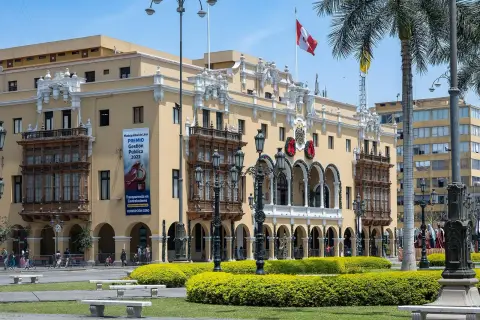
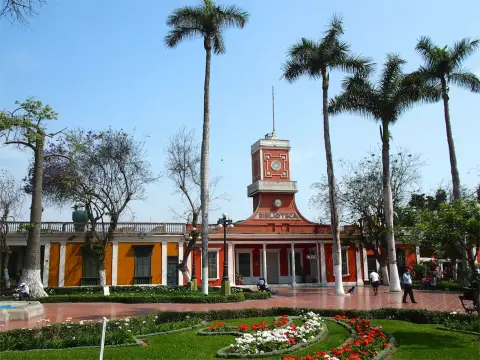
The Plaza Mayor is the heart of the colonial city, surrounded by the cathedral, the government palace and the archbishop's palace, all of them in the style of the viceroyalty. Nearby, the convent of San Francisco has a library and catacombs, and the lanes to the east lead to churches, old balconies and busy commercial streets. For a fuller route and notes on what is open, see historic centre.
Go in the morning, when the light is best and the streets are quieter, and keep to the main routes. The area is lively by day but empties after dark, so leave by taxi in the evening rather than walking back.
If you like context with your sightseeing, a guided walk makes the layers of the colonial city easier to read, and for what to expect from one, see Lima tours.
Museums and pre-Inca sites
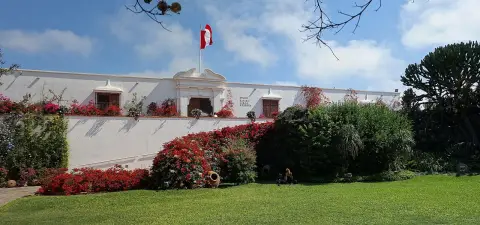
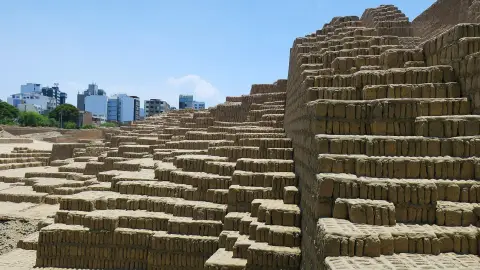
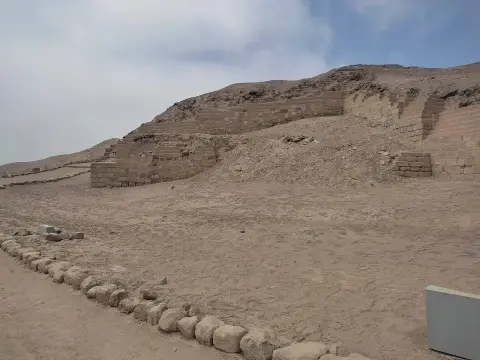
Lima sits on a coast shaped by cultures long before the Incas, and the city's museums make that clear. The Larco Museum holds a large collection of pottery and gold in a restored mansion, while the national archaeology museum covers the sweep of Peruvian history. Huaca Pucllana, an adobe pyramid set among the apartment blocks of Miraflores, shows how an ancient ceremonial site survives within a modern district.
For a larger site, Pachacamac, south of the city, was a major oracle and pilgrimage centre for centuries and is reached by a half-day trip.
Visit these in the morning if you can: adobe sites have little shade, and the midday sun is strong even when the city sits under cloud. Opening days and hours differ from site to site, and some close on one weekday.
Tours and activities
Bookable online, chosen for their traveller reviews.
-
★ Top rated From €52 per person
-
★ Top rated From €85 per person
-
★ Top rated From €94 per person
-
★ Top rated From €55 per person
Coast, parks and Barranco
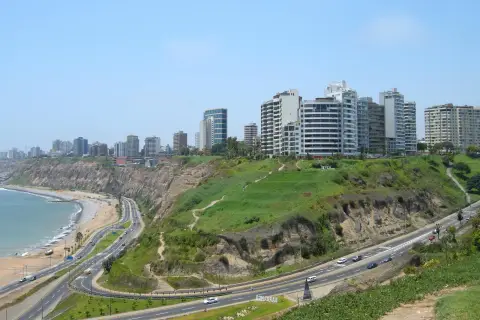
The cliff top path in Miraflores runs for several kilometres with views over the Pacific, paragliders, cafés and the Parque del Amor. A small mall built into the cliff holds shops and sea-view terraces. Late afternoon is the best time for the light, and the path is well lit and patrolled after dark.
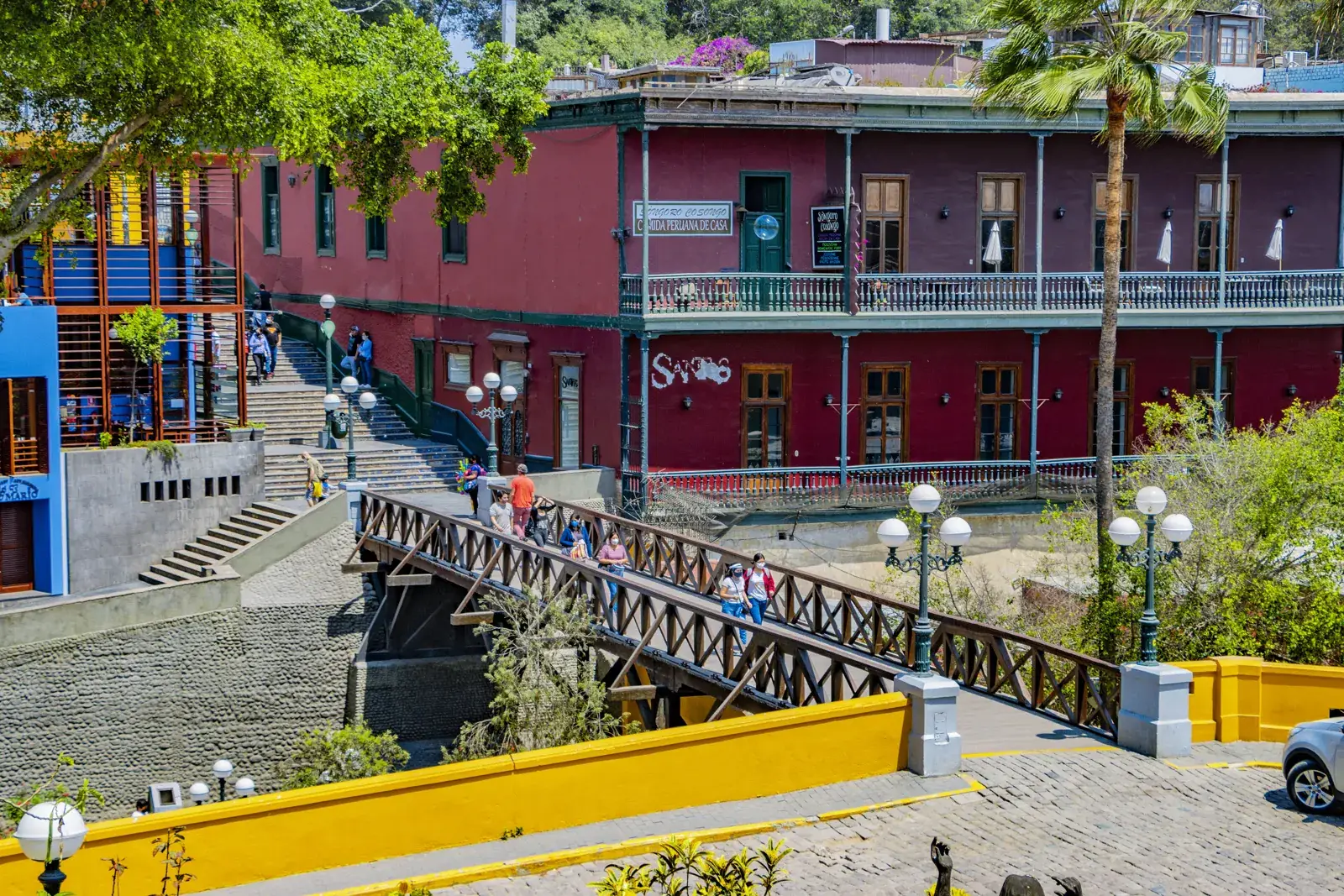
Barranco, to the south, is the district for galleries, street art and evening drinks. Walk down the lane to the sea, cross the little footbridge and stop for coffee in one of the old houses. Both areas can be linked into one afternoon.
Miraflores has a fuller list of parks, streets and viewpoints, and the comparison of Miraflores or Barranco helps if you must choose one for the evening.
Eating your way through the city
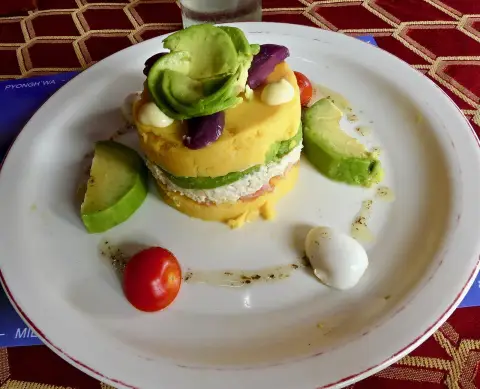
Food is a reason to come to Lima in its own right. Ceviche, the city's signature dish, is eaten at lunch, usually in a small restaurant that closes mid-afternoon, since the fish is freshest early in the day. Beyond ceviche look for anticuchos, causa, lomo saltado, and the Chinese-Peruvian cooking known as chifa.
Fine-dining restaurants in Miraflores and Barranco often need booking weeks ahead, so reserve early if there is one you want. If not, local markets and neighbourhood cevicherías offer excellent food at much lower prices.
What to eat in Lima lists the dishes in more detail, and a food tour is an efficient way to taste several in one outing when time is short.
Evenings and nightlife
Evenings in Lima start late. Dinner tends to begin after the sun has set, and the liveliest streets are those of Barranco and parts of Miraflores. Live music, craft cocktails and pisco-based drinks are widely available, and many bars sit in old houses with courtyards. If you want to try pisco, the classic is the pisco sour, which varies from bar to bar.
Use taxis or ride-hailing apps to return to your hotel, even for short distances, and keep phones and cameras out of sight on the street. For how to order a car safely, see taxi. For a general view of city risks, read the safety.
Half-day and day options
Beyond the main districts, a few outings reward a free half-day. Pachacamac is the obvious one for archaeology. Along the coast, you can spend an afternoon on the beach strips below the cliffs, try a surf lesson or book a sunset boat trip. Markets, craft centres and neighbourhood parks give a flavour of daily life away from the visitor districts.
Pick one outing a day rather than three. Lima's traffic means that even short crossings take time, and a modest plan often yields a better day than an ambitious one. How many days to spend in Peru helps place Lima within a longer trip.
Weather and timing
Lima has a cloud cover that settles over the city for much of the year, producing grey skies, damp air and mild temperatures, with brighter weather in the summer months. Outdoor viewpoints are best in summer, while museums and food make the city a good rainy-day alternative at any time. Bring a light jacket for the evening wind off the sea.
The coastal climate is unlike the Andean one, so plan clothes accordingly if you are continuing to the mountains. For conditions across the country, see weather by region; for the wider context, see Lima.
Frequently asked questions
How many days do I need in Lima?
Two days cover the centre, a museum, the coast and a couple of good meals. Three allow a trip to Pachacamac or a longer food tour.
Is Lima worth visiting or should I go straight to Cusco?
A night or two is worthwhile, especially for the food and the museums, and it makes the start and end of a trip easier.
Can I do Lima on foot?
Individual districts such as the historic centre, Miraflores and Barranco are walkable, but distances between them call for taxis or apps.
What is the best time of day to visit the historic centre?
Mornings, when the streets are calmer and the light is better. The area is quiet in the evening, so plan to leave before dusk and return by taxi.
Do I need to book the Larco Museum in advance?
Not usually in low season. The museum's restaurant may require a separate reservation.
Can I see Lima in a day between flights?
Yes, with a tight plan: the historic centre in the morning, lunch in Miraflores and the cliff path in the afternoon. Allow plenty of margin for traffic and keep the airport transfer in mind.
Is the Lima coast good for swimming?
The water is cold and currents can be strong, so most visitors walk, surf with an instructor or simply enjoy the views. Pay attention to local flags and advice.