Leymebamba is a small town in the Utcubamba valley whose museum displays the Chachapoya mummies and funerary offerings recovered from the Laguna de los Cóndores area. It is the best place to understand the people who built Kuélap, and it adds the human side that the stone ruins lack.
Visit as a half-day trip from Chachapoyas, or as a stop on the road to Cajamarca. Check opening times locally, wear warm clothes, and allow about one to two hours inside.
Map
The town and the museum
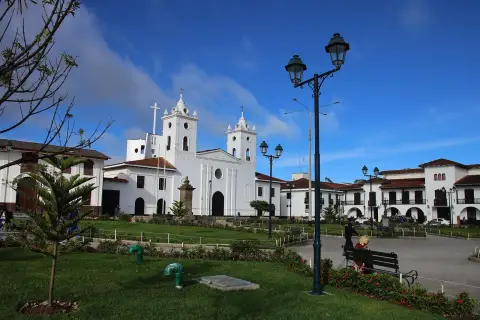
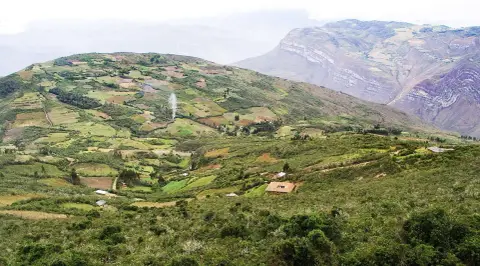
Leymebamba is a quiet highland town south of Chachapoyas, in the same valley system as Kuélap, with a small plaza, a market and simple lodging. Its main attraction is the Museo Leymebamba, set a little outside the town and built to house a collection of Chachapoya funerary remains. The museum is run by a foundation rather than by the state, and its displays are laid out clearly.
The collection exists because of a discovery. In the 1990s, burial structures on a cliff above a remote lake were found by local people and then investigated by archaeologists. The objects and bodies were moved to Leymebamba so that they could be conserved and shown. For those who want to understand who the Chachapoya were, this is the most direct window available.
The setting is pleasant: a small building in a green valley, with gardens that include an orchid collection in suitable seasons. Ask locally about what is currently open, as parts of the site change.
The mummies of Laguna de los Cóndores
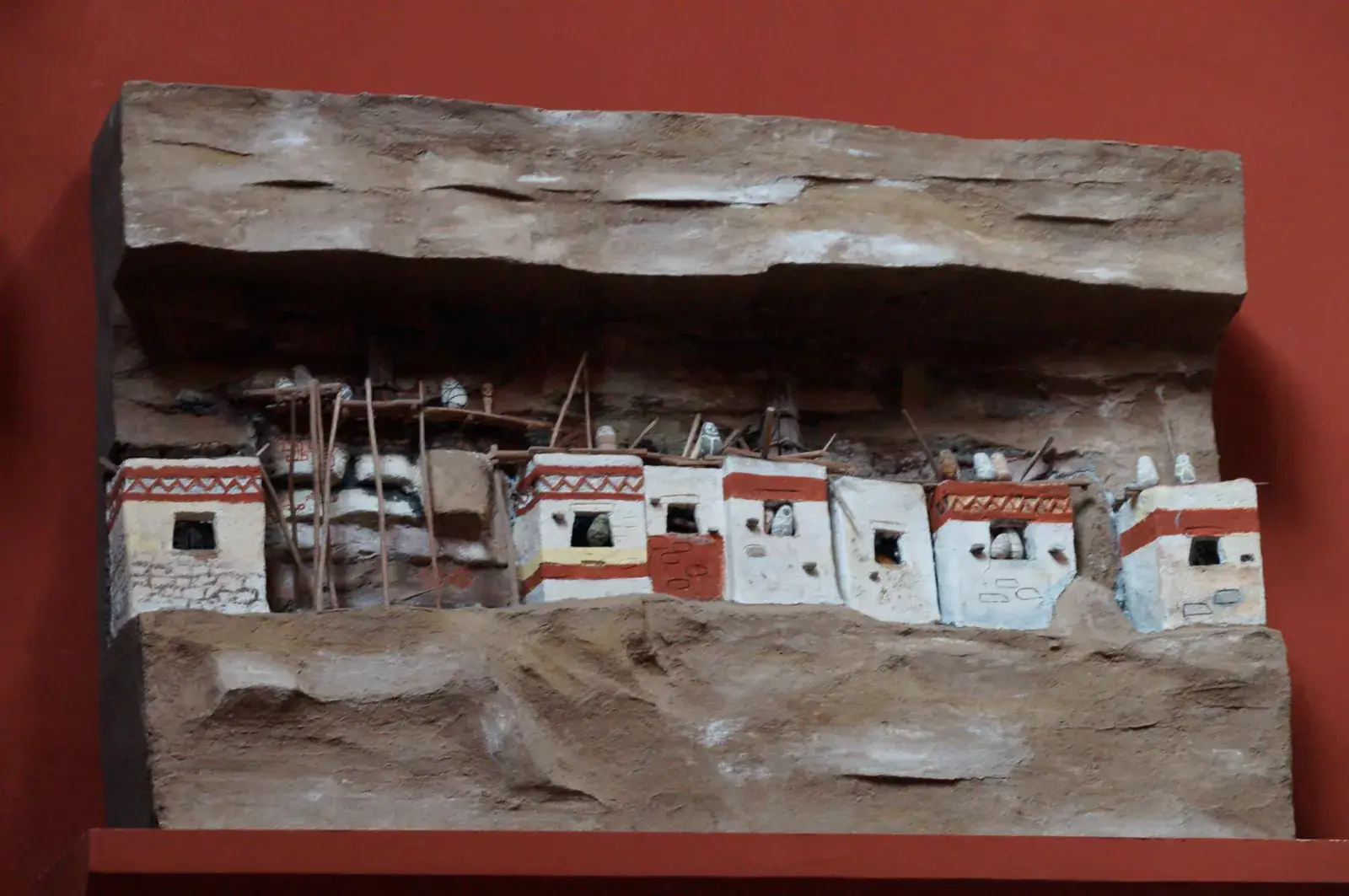
The Laguna de los Cóndores is a remote lake in the cloud forest, reached only by a multi-day walk. In the cliffs above it stand small funerary buildings of the Chachapoya culture, and when they were investigated they held a large number of mummified bodies, often wrapped in bundles and placed in groups. Figures commonly quoted are in the low hundreds of individuals, though counts vary between sources.
The bundles are displayed in a climate-controlled room, where the lighting is kept low to protect them. Some are shown with the cloth that wrapped them and with offerings left in the tombs. The way the dead were seated in tight bundles is typical of Chachapoya practice, but interpretations differ, and the displays say more than any guidebook can.
Photography rules vary, so ask at the entrance before taking pictures. The atmosphere is sober, and it is appropriate to behave as you would in a cemetery: quiet voices, no touching and respect for the displays.
What else is on display
Besides the mummy bundles, the museum shows textiles, ceramics, wooden objects and tools recovered from the same sites. The textiles are notable because cloth rarely survives in wet climates, and the dry conditions of the cliff tombs preserved it. Look for the weaving patterns and the colours that remain.
The collection is also known for its quipus, the knotted cord devices used in the Andes to record information. The museum is often cited as holding a significant group of them, but confirm the current display before making it the reason for your visit. Explanations of what the knots meant are partial and are still debated by researchers.
Labels are mainly in Spanish, with some English. A guide, if available, adds context on the culture and on how the objects were recovered. Even without one, the displays reward a slow pass, and the smaller objects often say more about daily life than the dramatic bundles do. Ask whether guided visits can be arranged on the day.
How to visit from Chachapoyas
Leymebamba lies roughly an hour or two by road from Chachapoyas, depending on the vehicle and road conditions. Shared vans and buses run on the main road, and a taxi can be hired for the day. Check current schedules and prices locally, as they change, and confirm your return transport before you set off.
The town also sits on the road between Chachapoyas and the highlands towards Cajamarca. Some travellers stop in Leymebamba on their way, which works well if your bags can be stored. Others make it a half-day trip from Chachapoyas, combined with a stop at a village on the road.
Because the road is mountainous and can be affected by landslides in the wet months, leave margin if you have a fixed departure. The journey to the region is long; see getting from Lima to Chachapoyas before you plan the rest.
Time needed and opening times
Allow about one to two hours inside the museum, longer if you enjoy reading the labels or want to see the gardens. With the journey from Chachapoyas included, plan a half day, and a full day if you add another stop. Opening days and hours, and the entrance fee, are not listed here because they change: ask your lodging in Chachapoyas or check with the museum before you set out, particularly on holidays and Mondays, when many museums close.
Go in the morning if you can, since the afternoon is often the time when clouds roll in and the temperature drops. Bring cash for the entrance fee and small purchases, as card payments cannot be assumed in a small town.
If you have a flexible schedule, a night in Leymebamba is possible and quiet, and gives a relaxed start. Lodging is basic, so ask about heating and hot water when you book.
The lagoon trek, in general terms
Reaching Laguna de los Cóndores itself means a multi-day walk on mountain trails with guides and mules, camping or staying in basic shelters. The cloud-forest paths are steep and often muddy, and the area is remote. Only well-prepared walkers should consider it, and it is best arranged through a local operator or with guides from the area.
Ask about the route, the number of days, what is provided, and what you must carry. Check the weather as well: the dry season, roughly May to September, is more reliable; see dry season. Take waterproofs, warm clothing and a sleeping bag suited to cold nights.
For most visitors, the museum is the practical option: it shows the finds that came from the lagoon without the effort of reaching it. The trek is optional and is for those with time, fitness and a taste for remote cloud forest.
Combining with Kuélap and Gocta
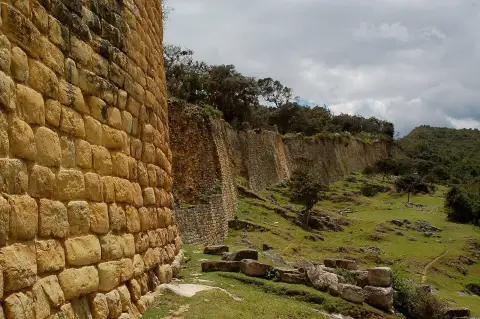
The museum fits well with a Chachapoya trip. Kuélap shows how the Chachapoya built; Leymebamba shows how they buried their dead and what they wore and used. Seeing the museum first, or the same trip, gives the stone ruins a human context.
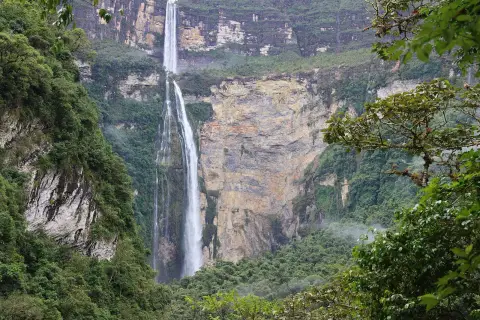
A common plan is Kuélap on one day, the Gocta waterfall on another, and Leymebamba on a third, with the town of Chachapoyas as a base. It also suits a route continuing towards Cajamarca, as described in the north itinerary.
Weather in the highlands is cold and changeable, with mist and showers possible at any time. Wear layers and bring a rain jacket. For general precautions on roads and in small towns, see staying safe in Peru. Accessibility is limited: the paths are mostly level in the museum area, but the route to the town is on winding roads, and ground can be uneven or wet.
Where to sleep
-
Find hotels
Chachapoyas
Base for Kuélap and Gocta
Frequently asked questions
What is in the Leymebamba museum?
The museum holds mummified bodies and funerary bundles from the Chachapoya culture, found at Laguna de los Cóndores, along with textiles, ceramics and other objects. It is one of the best places to learn about the Chachapoya.
How far is Leymebamba from Chachapoyas?
Roughly an hour or two by road, depending on the vehicle and the condition of the road. Check current transport and times locally before you go. See Chachapoyas for the base.
How long should I spend at the museum?
Plan for about one to two hours inside, plus the journey from Chachapoyas. Make it a half day, or longer if you add a stop or the gardens.
Do I need to hike to see the mummies?
No. The mummies are displayed in the museum in Leymebamba. The lagoon where they were found is a separate, multi-day trek that is optional and for experienced walkers.
Can I visit Leymebamba on the way to Cajamarca?
Yes, the town lies on the road between Chachapoyas and the highlands towards Cajamarca, so it makes a natural stop if you can store your bags. Check the road and the schedules first. See Cajamarca.
Is the museum open every day?
Do not assume so. Opening days and hours change, and museums often close on certain days or holidays. Ask your lodging or check locally before you travel.
Is the museum suitable for children or people with mobility problems?
The museum is compact and mostly level, but the road journey is long and winding. Some displays are sombre, so decide whether they suit young children. Ask about access before you go. See accessible travel for general advice.