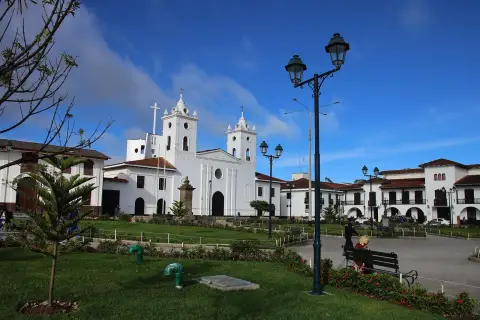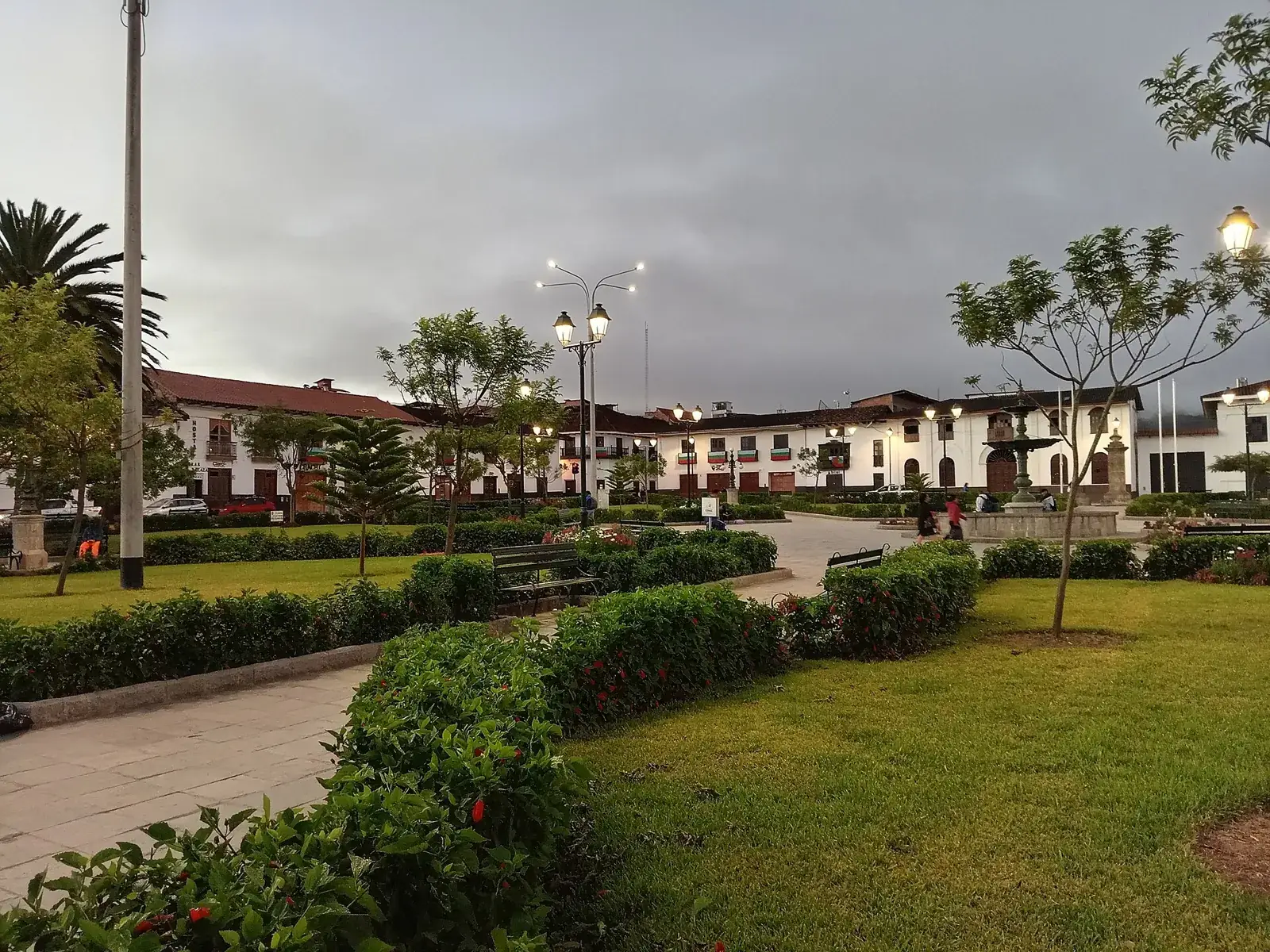
The Plaza de Armas is the heart of Chachapoyas, a square of roughly 100 m a side at about 2,335 m, surrounded by the cathedral, municipal buildings, cafés and colonial houses. It is where tours start, where people meet in the evening and where you reach the market and the old streets on foot. Give it a relaxed half day on arrival or between excursions; it is a place to settle in, not a major sight.
Map
What the square is
The Plaza de Armas is the main square of Chachapoyas, a small highland town in the north-east Andes of Peru. It is roughly a hundred metres on each side, laid out in the Spanish colonial grid, and the town sits at about 2,335 m, high enough to feel the air a little thinner but well below Cusco. On the south side stands a monument to Colonel Francisco Bolognesi, the hero of the battle of Arica, a figure found in many Peruvian towns.
Around the square are the cathedral, public offices, a few cafés and restaurants and the arcaded fronts of older buildings. Nothing here is grand, and that is the point: the square works as the living room of a town of a few tens of thousands of people. Locals cross it on errands, students sit on the benches and the evening paseo is a real habit rather than a show for visitors.
A short history
Chachapoyas was founded on 5 September 1538 by the Spanish captain Alonso de Alvarado, which makes it one of the oldest Spanish towns in the Peruvian Amazon foothills. The first settlements were set up near La Jalca and then Levanto, but they were abandoned, and the city moved to its present site, probably in 1545. The grid around the plaza dates from that period, even though most buildings were rebuilt or altered later.
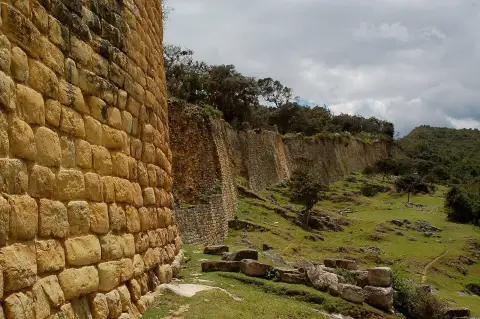
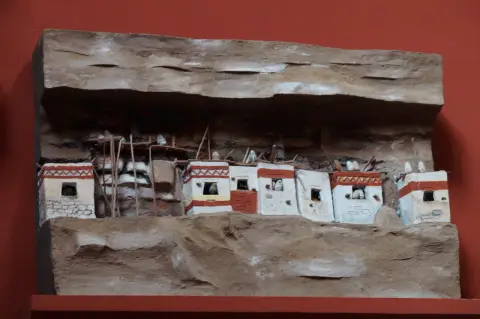
The Spanish chose the area because it was already populated. The Chachapoyas people, whose fortresses and cliff tombs surround the town, had been conquered by the Incas shortly before the Spanish arrived. The town later served as a crossroads between the coast, the highlands and the Amazon lowlands, a role that explains its colonial character and its long isolation. Before you see the ruins, it helps to read the region overview for the wider story.
The cathedral and the buildings around it
The cathedral faces the square and is the main building to step into. It is modest in size, with a plain interior, and it is open for worship rather than as a museum, so visit quietly and outside services. Opening hours are not fixed in a way that is worth quoting, so treat it as a short look when you pass.
More interesting for most people is the architecture of the streets around the plaza. Chachapoyas keeps many colonial casonas, houses with large interior courtyards, tiled roofs and wooden balconies, and several now operate as hotels, restaurants or offices. A walk of a few blocks in each direction shows white walls, carved doors and stone-paved side streets that climb gently. Look through open doorways without intruding, and ask before photographing inside a private courtyard. Some casonas are rebuilt after earthquakes, so not everything dates from the colonial period.
Streets, market and everyday life
The old town is compact and easy to cover on foot in a couple of hours. Streets run in a regular grid away from the plaza, and the main commercial street is lined with small shops, pharmacies, bakeries and agencies that sell excursions. The central market is a short walk from the square and is the best place to see ordinary regional life: fruit from the lower valleys, local cheeses, bread, herbs, coffee and sweets.
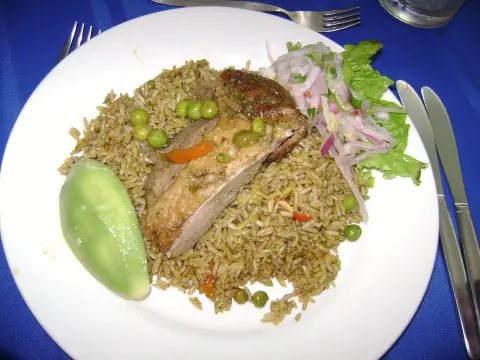
Eat here at least once. Stalls serve breakfast soups, fresh juices and set lunches at low prices, and the choice follows what the nearby villages grow. The cooking of the region is described in what to eat in the north. For souvenirs, handmade goods and local coffee are better buys than imported crafts, and souvenirs in Peru explains what to look for. Prices and opening days are not guaranteed, so ask locally.
Viewpoints and a walk beyond the square
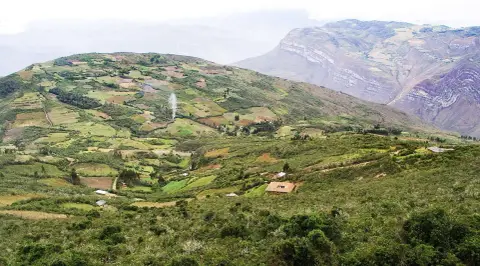
When you want a wider view, head to the edges of town. The hill of Luya Urco, to the west, is a short climb from the centre and gives a panorama over the rooftops and the surrounding green mountains; the Cuyana fountain is also reported on its slope. Walk it in daylight and in a group if possible, and ask your hotel about the current state of the paths, since conditions can change.
Another easy outing is a stroll to the Mirador areas on the town's edges at the end of the afternoon, when the light softens and mist often lifts. These walks cost nothing and need no guide, but the streets are steep and wet after rain, so wear shoes with grip. Combine them with a coffee on the plaza, and the evening needs no further planning.
The plaza as a base for excursions
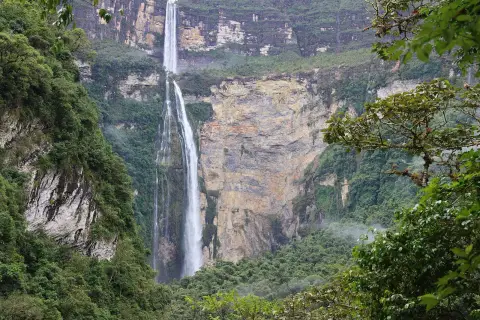
Almost every trip from Chachapoyas starts within a few blocks of the square. Agencies around the plaza sell day tours to Kuélap, to the Gocta waterfall and to the Leymebamba museum, and shared vans and buses leave from nearby streets or terminals. Compare two or three offers, check what is included, and confirm the pick-up time the evening before.
Departures are early, often before breakfast, so look for a hotel that can serve something at dawn. Because tourism here is small, groups are small too, and a tour may only run if enough people join. If you want certainty, ask about private transport. The region page suggests a sensible order of days. Always carry a rain layer, as the weather around the town turns quickly.
Getting there, altitude and best time
Reaching Chachapoyas is the hard part, covered in Lima to Chachapoyas and in the pages on long-distance buses and domestic flights. Once in town, everything described here is walkable. At about 2,335 m, altitude is rarely a problem, though a slow first afternoon is wise after an overnight bus; see altitude sickness if you arrive from the coast.
The drier months, roughly May to September, are the most comfortable for walking, while the rest of the year brings more rain and mist. The climate is mild, with an average near 18 °C and high humidity, so evenings can be cool and damp. The square is pleasant at any hour, and the late afternoon is the best moment to sit and watch town life. Carry some cash, since machines are few; see money and ATMs.
Where to sleep
-
Find hotels
Chachapoyas
Base for Kuélap and Gocta
Frequently asked questions
How long do I need for the Plaza de Armas and the old town?
Two to three hours covers the square, the cathedral, a few streets and the market. Add an hour for a viewpoint walk. Most travellers fit it in on the day they arrive or between excursions to Kuélap and Gocta.
Is the Plaza de Armas of Chachapoyas worth visiting?
It is worth an easy stroll rather than a special trip. The interest lies in the colonial houses, the market and the unhurried atmosphere, which suits a rest day between the long excursions.
Is Chachapoyas at high altitude?
The town lies at about 2,335 m, noticeably lower than Cusco, so most people feel little. Walk slowly on the first day after a long trip, and drink water.
Where do tours to Kuélap and Gocta start?
Most agencies are within a few blocks of the plaza, and many tours pick up from hotels in the centre. Confirm the meeting point and time the evening before, because departures are early.
Is the centre of Chachapoyas safe to walk at night?
It is generally calm and small, but normal care applies: avoid dark side streets late, keep valuables out of sight and read safety in Peru. Ask your hotel about the current situation.
Can I find a cash machine near the square?
There are banks and machines in the centre, but they are few and sometimes empty, so bring enough soles for excursion days and small purchases. See money and ATMs.
When is the best time of year to be in Chachapoyas?
May to September is the driest and gives the clearest days, while the wet months from about December to March bring rain and landslide risk on roads. Check weather by region for the wider picture.