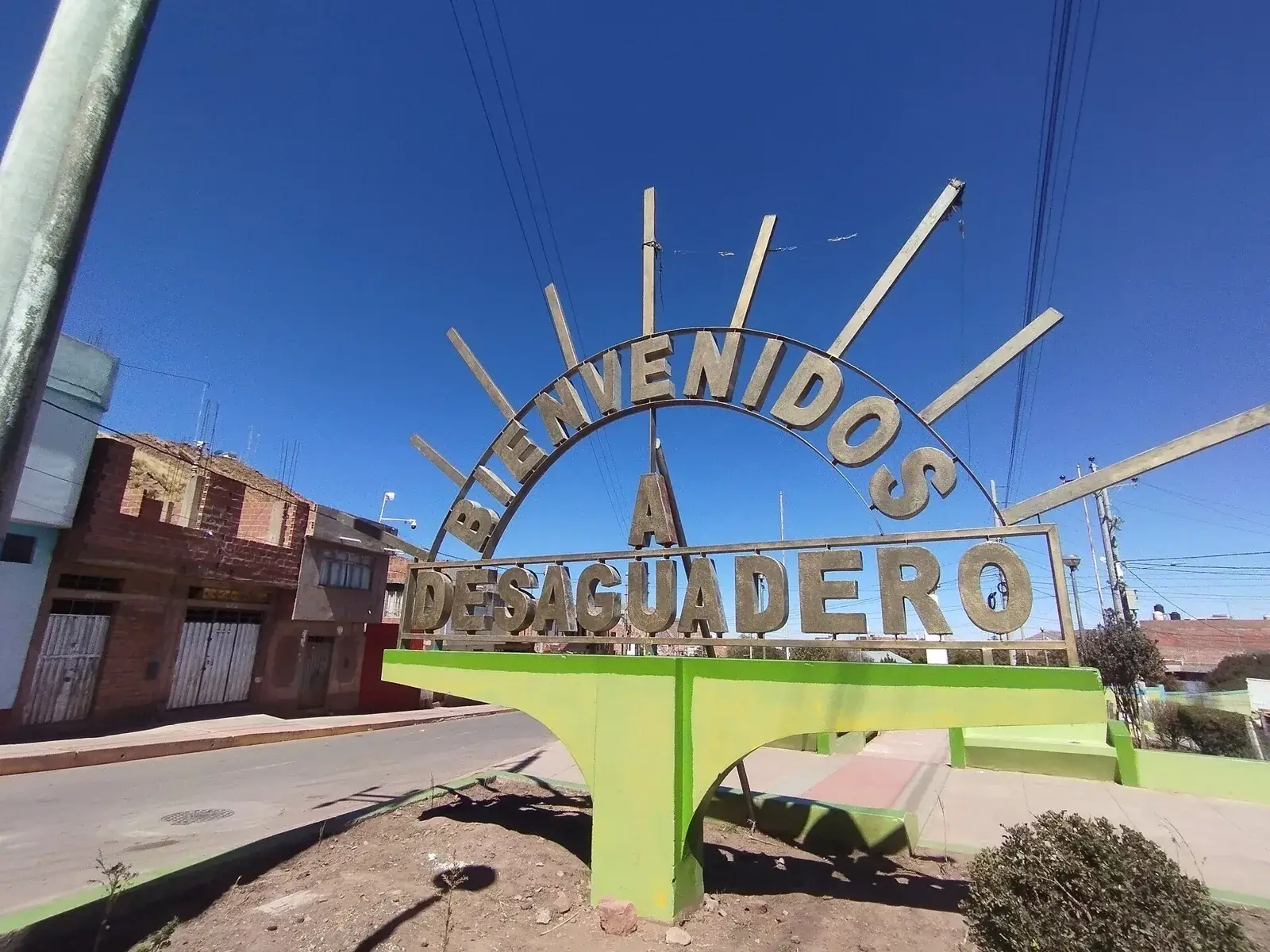
The usual route from Puno into Bolivia goes through Yunguyo and Kasani to Copacabana on Lake Titicaca, which is the more relaxed and tourist-friendly crossing. Desaguadero, further south, is quicker to La Paz but busier and less pleasant. Entry rules depend on your nationality, including visa and vaccination requirements.
Two crossings
From Puno, direct tourist buses run to Copacabana in Bolivia, crossing at Yunguyo on the Peruvian side and Kasani on the Bolivian side. The journey takes a few hours including the border formalities. Copacabana is a pleasant lake town and the base for the Isla del Sol, so many travellers stop there for a night or two before going on to La Paz.
The southern crossing, Desaguadero, is on the river that divides the two countries and sits on the main road to La Paz. It is used by local traders and trucks, so it is crowded, noisy and sometimes slow. Some people use it because it saves time on the way to La Paz, but most visitors find Yunguyo easier.
At the border
You complete exit formalities in Peru and entry formalities in Bolivia, a few steps away, with passports stamped by both. Carry the passport, any entry documents and some cash in small notes, because exchange offices on the road may offer poor rates. Keep a note of the time zone: Bolivia is one hour ahead of Peru, which matters for bus connections. Borders have published opening hours, so avoid arriving late in the day.
After the border, the road to La Paz crosses the Tiquina strait on a small ferry or barge, and the vehicle itself may cross on a separate boat, so passengers cross in a launch. This is routine for the bus companies, but allow time.
Altitude and planning
Puno is at about 3,800 m, Copacabana at a similar height, and La Paz higher still, so the whole route is at altitude. If you are coming from Cusco, you have probably acclimatised, but rides at 4,000 m are still tiring. Break the trip with a night at Copacabana rather than going through to La Paz in a day.
Anyone arriving directly from sea level should be especially careful, since the combination of travel, border queues and height can make the first day heavy. See altitude sickness for the symptoms and the reasoning behind a gradual climb.
Getting to the border from Cusco
Most travellers reach this border from Cusco, and the usual sequence is Cusco to Puno, then Puno to Copacabana. The first leg is covered on Cusco to Puno, whether by bus or by the tourist train. A night in Puno breaks the journey and lets you visit the Lake Titicaca sights, such as the Uros Islands, before crossing.
Some bus companies sell through tickets from Cusco to La Paz or Copacabana, with a change of vehicle at the border or in Puno. These are convenient but add the risk that one delay affects the whole chain. If your schedule is tight, ask what the company does when a connection is missed.
Through tickets or independent legs
You can buy a through ticket from a bus company or an agency, or take each leg separately. The through ticket is simpler and often cheaper. Independent legs give flexibility, and let you stop in Puno or Copacabana without losing a ticket. Whichever you choose, check what the price includes: sometimes the crossing, the Tiquina ferry and luggage are covered, sometimes they are extras to pay in cash.
Keep your passport accessible rather than in a bag in the hold, because you will need it several times on the day. If you hold a ticket sold by a street seller outside the terminal, confirm the company and the departure time before paying. See the general advice on buses in Peru for choosing a reputable operator.
Entry rules and the return journey
The entry rules for Peru and Bolivia differ by nationality, and the number of days allowed on arrival can vary. If you plan to return to Peru, check that your permitted stay will cover it and what documents the Peruvian officers expect. See entry requirements for Peru.
Health requirements matter too. A yellow fever certificate may be requested at some border posts. Health and vaccines is a starting point, but a doctor or travel clinic should give personal advice. For a ready-made trip shape, see the Peru and Bolivia itinerary.
Frequently asked questions
Which border crossing between Peru and Bolivia is best?
Most travellers use Yunguyo to Copacabana, because it is calmer and the buses are geared to tourists. Desaguadero is faster to La Paz but busier.
Do I need a visa for Bolivia?
It depends on your nationality.
Is there a time difference?
Yes, Bolivia is one hour ahead of Peru, so adjust your watch when you cross.
How long does the border crossing take?
It varies with the queue and the time of day, and can range from short to a couple of hours. Allow plenty of margin, and avoid scheduling an onward connection immediately after the crossing.
Can I cross by boat on Lake Titicaca?
Land crossings are the normal route. Some tours combine lake sections with the border, but the options change, so ask an operator in Puno about current services.
Should I change money at the border?
Only a small amount. Rates at the border are often poor, and informal changers can short-change you. Bolivian ATMs are available in Copacabana and La Paz, but cash is still useful.
Is it safe to cross into Bolivia?
Many travellers do it without problems. Keep your documents on you and avoid unofficial money changers. See strikes and road blockades.