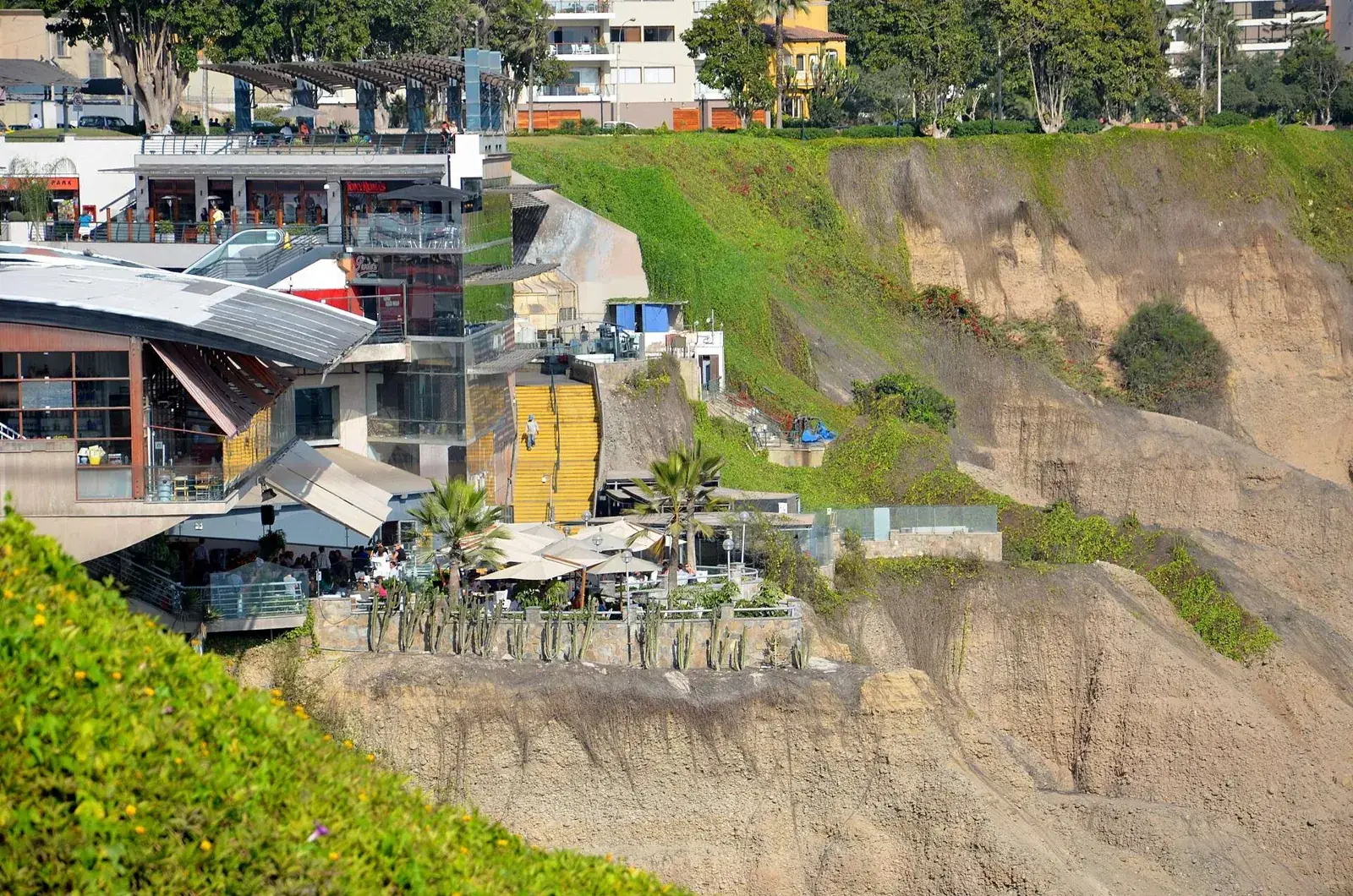
For remote work, Lima's Miraflores and Barranco are the easiest bases, with reliable internet, coworking spaces and cafés. Arequipa and Cusco work for shorter stays, though altitude and power cuts need planning. Before committing, test the connection at your accommodation, buy a local SIM or eSIM as backup, and check how long you can stay on your entry stamp and what the rules say about remote work.
Choosing a base
Lima is the practical choice. Miraflores and Barranco have good fibre internet in many buildings, plenty of cafés and coworking spaces, restaurants, a mild climate and direct flights. The downside is the grey winter, which can weigh on morale. Arequipa has a sunny climate, a lower cost of living than Lima and a beautiful centre, and it is at about 2,300 m, which most people find manageable. Cusco is the most atmospheric but also the highest, at about 3,400 m, so sleep and focus can suffer for the first days, and it is colder at night.
Smaller places such as the Sacred Valley villages or Huaraz can be pleasant for a few weeks, but internet is less consistent, so test it before you commit.
Internet, power and backup
Do not trust a listing that simply says "fast wifi". Ask for a recent speed test, check how the connection is shared in a building, and ask what happens during power cuts. Mobile data is a useful backup, and local SIM cards and eSIMs are easy to arrange; see SIM and eSIM for the options. Having two independent connections matters more than a single fast one. Bring a power bank, a surge protector and adapters if your plugs differ. Cafés and coworking spaces are useful on days when your home connection fails.
Peru's electricity is covered in the electricity, which explains plug types and voltage, and is worth checking before you pack laptops and chargers.
Visas, taxes and legal questions
Visitors are normally given a stay of limited length on arrival, and the length depends on nationality and on the immigration officer, so confirm the days written on your entry record. Rules about working remotely for foreign employers, extending a stay and tax residence are specific to your situation and change over time. Ask a qualified adviser if you plan a long stay.
For general information for visitors, see entry requirements.
Daily life
Cost of living varies widely by city and style. Eating out is affordable, but good apartments in Miraflores cost more. Cash is still common in smaller places. Spanish helps a lot outside tourist zones. Watch your security habits: use ride-hailing apps, avoid showing laptops in public and back up work regularly. Plan weekends around trips to the coast, the valleys or the mountains, which are a major reason to base yourself here.
For ATMs, cards and cash, see money, and for how to keep daily costs in check on a longer stay, see budget travel.
Working hours, time zones and coworking
Peru uses a single time zone for the whole country and does not change its clocks, which makes it a good match for the Americas, with a smaller overlap for Europe. Check your clients' hours against Peruvian time in each season, since the gap changes as other countries shift their clocks.
Coworking spaces in Lima offer fixed desks, meeting rooms and community events, and some cafés welcome laptops. In other cities, options are fewer, so ask your accommodation about quiet corners and backup spaces. Test video calls from your actual room, not only from a café.
Health, altitude and rhythm
Working at altitude is different. At about 3,400 m in Cusco, sleep is lighter, headaches are common in the first days and concentration can drop. Plan light work for the first two or three days and keep alcohol to a minimum, and read the altitude sickness for general information. Anyone with a medical condition should ask a doctor before basing themselves at height.
A stable routine helps in any city: regular working hours, outdoor time and a gym or a walk. Lima's grey season can feel flat, so plan weekend trips toward sun and mountains.
Where to go for a change of pace
Remote workers often split a stay: a few weeks in Lima, a month in Arequipa, a stretch in Cusco and the Sacred Valley. The coast around Paracas and the north beaches offer sunny breaks, though connectivity is patchy. Machu Picchu is an unforgettable weekend trip, best booked ahead.
For how solo workers can meet people, see solo travel. Hostels with coworking areas, language schools and group activities are ways to build a social life.
Frequently asked questions
Which city is best for remote work?
Lima is the easiest, thanks to internet, coworking and services. Arequipa is a quieter alternative.
Can I work remotely on a tourist entry?
The rules are not simple and change. Ask a qualified adviser.
Is altitude a problem for working in Cusco?
It can be for the first days. Allow time to adjust before starting demanding work.
Is the internet reliable in Peru?
It varies by building and city. Fibre is common in parts of Lima, but power cuts and weaker connections occur elsewhere, so always have a mobile backup.
Should I buy a local SIM?
Yes, as a backup. You can buy a SIM or use an eSIM, and check that your phone is unlocked. Registration rules apply, so carry your passport.
Is it safe to work in cafés?
Generally yes in busy districts, with sensible habits. Keep your laptop in view, use a screen guard if you can and avoid leaving valuables on tables near the street.
How long can I stay?
The permitted stay depends on your nationality and the stamp you receive, so check your entry record. Extensions and other permits are set by the immigration authority.