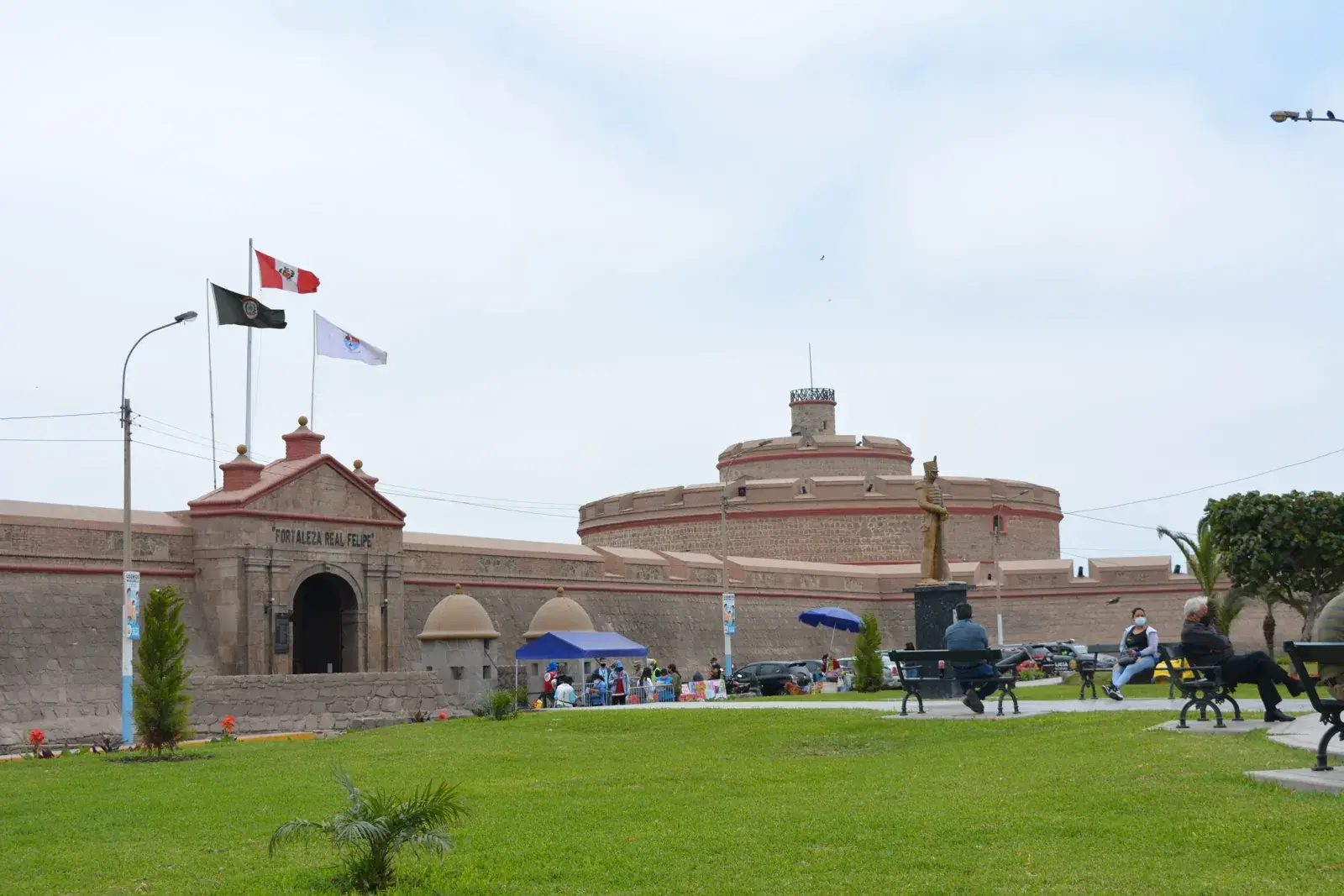
The Real Felipe Fortress is a Spanish colonial stronghold in Callao, Lima's port, begun in 1747 to defend the coast from pirates and foreign fleets. Today it is a military museum run by the Peruvian Army, with walls, bastions and a parade ground you can walk. It is a short taxi ride from Lima's airport and about a half-day trip from Miraflores. Go by taxi door to door, avoid walking the surrounding streets, and check opening days and entry rules before you set out.
Map
What the fortress is
The Real Felipe Fortress (Fortaleza del Real Felipe) is the largest colonial fortification in Peru, standing beside the bay of Callao, the port that has served Lima since the sixteenth century. Its thick stone walls and bastions were meant to keep pirates, corsairs and rival navies away from the harbour and from the viceroyalty's capital a few kilometres inland.
Visiting it is a different kind of outing from the museums and old houses of the historic centre of Lima. There is no colonial plaza atmosphere here, but a working army site with ramparts, ramps, a parade ground, and views over the port. It suits travellers interested in military and maritime history, in the independence period, or simply in seeing a part of the Lima region that most visitors skip.
Why it was built
Callao was devastated by the 1746 earthquake and tsunami, which destroyed most of the earlier defences and a large part of the port. The viceroy of the time, José Antonio Manso de Velasco, ordered a new fortress, and the design by the French engineer Louis Godin was chosen. Work began in 1747, with building continuing under later viceroys into the 1770s, and the fortress took its name from King Felipe V of Spain.
Much of the stone is reported to come from the island of San Lorenzo in the bay and from the ruins of the earthquake itself. Later viceroys added smaller forts nearby and, in the early nineteenth century, storage for weapons, artillery and water. The scale of the project shows how important Callao was: nearly all trade between Spain and its South American territories passed through this one harbour.
Tours and activities
Bookable online, chosen for their traveller reviews.
-
★ Top rated From €52 per person
-
★ Top rated From €85 per person
-
★ Top rated From €94 per person
-
★ Top rated From €55 per person
The siege of 1826
The fortress is best known for its role in the wars of independence. Coastal batteries repelled naval attacks on the port in 1816 and 1819, the latter led by Lord Thomas Cochrane for the independence forces. After Peru declared independence the fortress changed hands, and it became the last major royalist stronghold in the country.
Under Brigadier José Ramón Rodil, Spanish troops held out here through a long siege, and the garrison finally surrendered in January 1826, ending Spanish rule on the Peruvian coast. Accounts of the siege speak of hunger and disease inside the walls. Knowing this episode changes how the empty ramparts look: they are not just old stone but the scene of the last stand of the colonial army.
What you see inside
The fortress is today the site of the army's military museum, and its collections cover uniforms, weapons, artillery, maps and objects from the colonial period, the independence wars and later conflicts. Labels and guided explanations are most likely to be in Spanish, so a translation app or a guide helps if you do not read the language.
Beyond the exhibits, the structure itself is the attraction. You pass through a heavy entrance gate into a large enclosed space, with walls you can walk along, old gun positions, the former governor's house and storerooms. From the upper levels you can look across the port, the naval facilities and the island of San Lorenzo, which is a useful reminder of why the site was chosen. Wear comfortable shoes, since the ramps and stone steps are uneven, and bring a hat and sun protection, as there is little shade on the open parts.
Getting there from Lima
Callao is a separate city that has merged with Lima, and the fortress lies in its old port district, near the Plaza Independencia. From Miraflores or Barranco expect a journey of a good part of an hour, much longer in heavy traffic, so choose the time of day carefully. The simplest option is a taxi booked by app or through your hotel, with an agreed return. Public buses and minibuses run to Callao, but they are crowded and the stops are not where you want to be waiting.
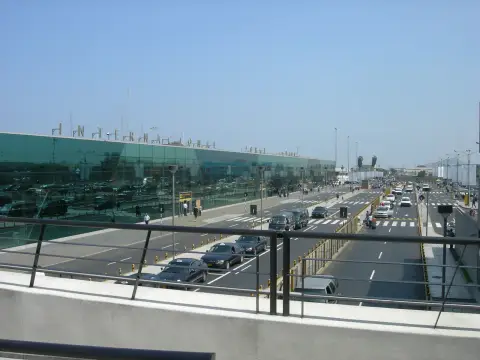
The airport is in the same district, so the fortress fits a long layover or a last morning before an evening flight better than most Lima sights. The airport side is covered in the airport transfer guide. If you are planning several stops, combine it with an organised visit through Lima tours, or with a guided half day that includes the port area, which avoids the transport question altogether.
Opening, entry and tickets
Because the fortress is an army installation, entry rules are stricter than at a normal museum. Opening days and hours have changed over the years, the site has been closed for events and works, and some visits have needed advance arrangements or a guide supplied on site. A photo ID, usually your passport, may be requested at the gate, so carry it or a copy that the staff accept.
Do not plan around a price or schedule found in an old guidebook. Check the current information with the museum or with your hotel the day before, and ask whether photography is allowed in all areas. Military staff are present, so behave respectfully, follow instructions and do not photograph the personnel or the restricted zones.
When to go and how long to stay
Allow one to two hours for the fortress, longer if you join a guided tour or read the exhibits closely. Go in the morning, when the light is better, the heat is lower and the streets outside are easier to manage. Lima's grey coastal cloud, the garúa, covers the city for much of the year from roughly May to November, so views over the bay are clearer and the walls more photogenic in the summer months, which run from about December to April.
Callao is at sea level, so there is no altitude effect and no special fitness requirement beyond some stairs and ramps. Access for people with limited mobility may be restricted by the old stone paths, so ask in advance. If you have only one day in the area, the other sights of Lima and Pachacamac may give a better return for most travellers, while the fortress rewards those who like history.
What to combine it with
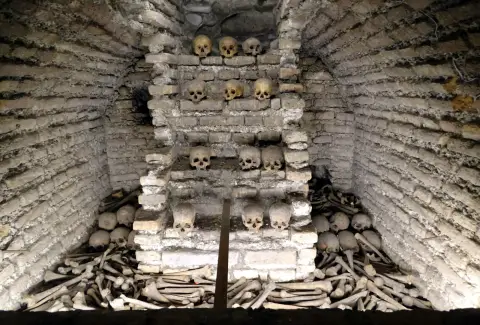
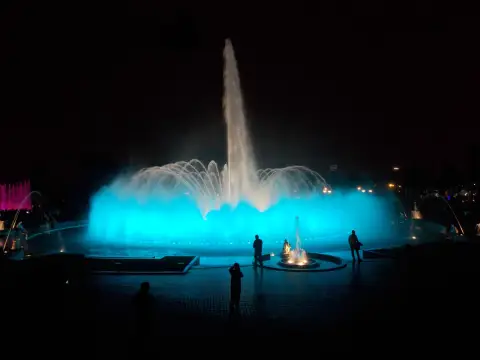
The fortress works best as one stop within a day built around Lima's colonial and republican history. A natural pairing is the San Francisco convent and catacombs in the centre, which show religious life in the same viceroyalty, while the fortress shows its defence. For a lighter evening, the Magic Water Circuit is a very different kind of outing.
Many travellers go to Callao as a standalone half day and then return to the seaside districts to eat and rest. The things to do in Lima page helps you decide how it fits against the other sights, and Miraflores is the usual base from which to return. Do not try to cover Callao on foot or add a late-evening stop in the port, which is less comfortable than the same time spent in the visitor districts.
Where to sleep
-
Find hotels
Miraflores
Easy first base: restaurants, parks and the cliff-top walk
-
Find hotels
Barranco
Art, nightlife and a seaside feel, quieter by day
-
Find hotels
San Isidro
Calm business district with parks, close to Miraflores
-
Find hotels
Historic Centre
Colonial sights on the doorstep, busy by day and quiet at night
Frequently asked questions
Is the Real Felipe Fortress worth visiting?
It is worth it if you enjoy military history or want to understand how Spain defended its colonial coast and how the siege of 1826 ended Spanish rule. If you prefer art, food or pre-Columbian sites, the Lima sights page offers better value for a short stay.
Is it safe to visit the fortress?
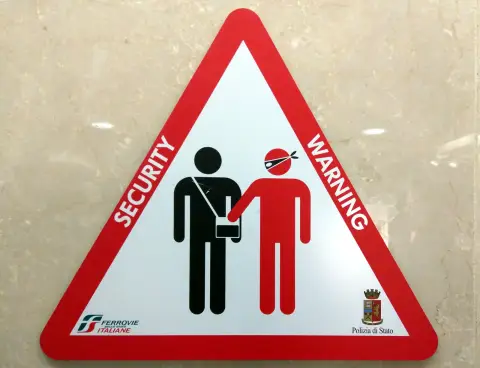
The fortress itself is an army site, but the surrounding Callao streets have a reputation for crime. Go by taxi, return by taxi and do not wander around the neighbourhood with valuables on show. See safety in Peru for general rules.
How do I get to the Real Felipe Fortress from Miraflores?
A taxi booked by app or through your hotel is the easiest option, taking a good part of an hour depending on traffic. Public buses reach Callao but are crowded and not well suited to visitors.
How long does a visit take?
One to two hours is typical for the museum and the ramparts. Add the travel time each way, so count it as a half-day outing.
Do I need my passport to enter?
As an army installation, the fortress may ask for identification at the gate, and visitors have often been asked for a passport or a copy of it. Check the current rule before you go.
Can I visit between a flight and the city?
Yes, it is one of the few sights close to the airport, so it suits a long layover if opening days match. Leave generous time for traffic and your return flight, and see the airport transfer guide.
Are there guided tours?
Spanish-language guidance is often available on site, and some organised Lima tours include the fortress or the port. Confirm the language and the price before you commit.